GAT Damn: The Best German Army Trainers For Men
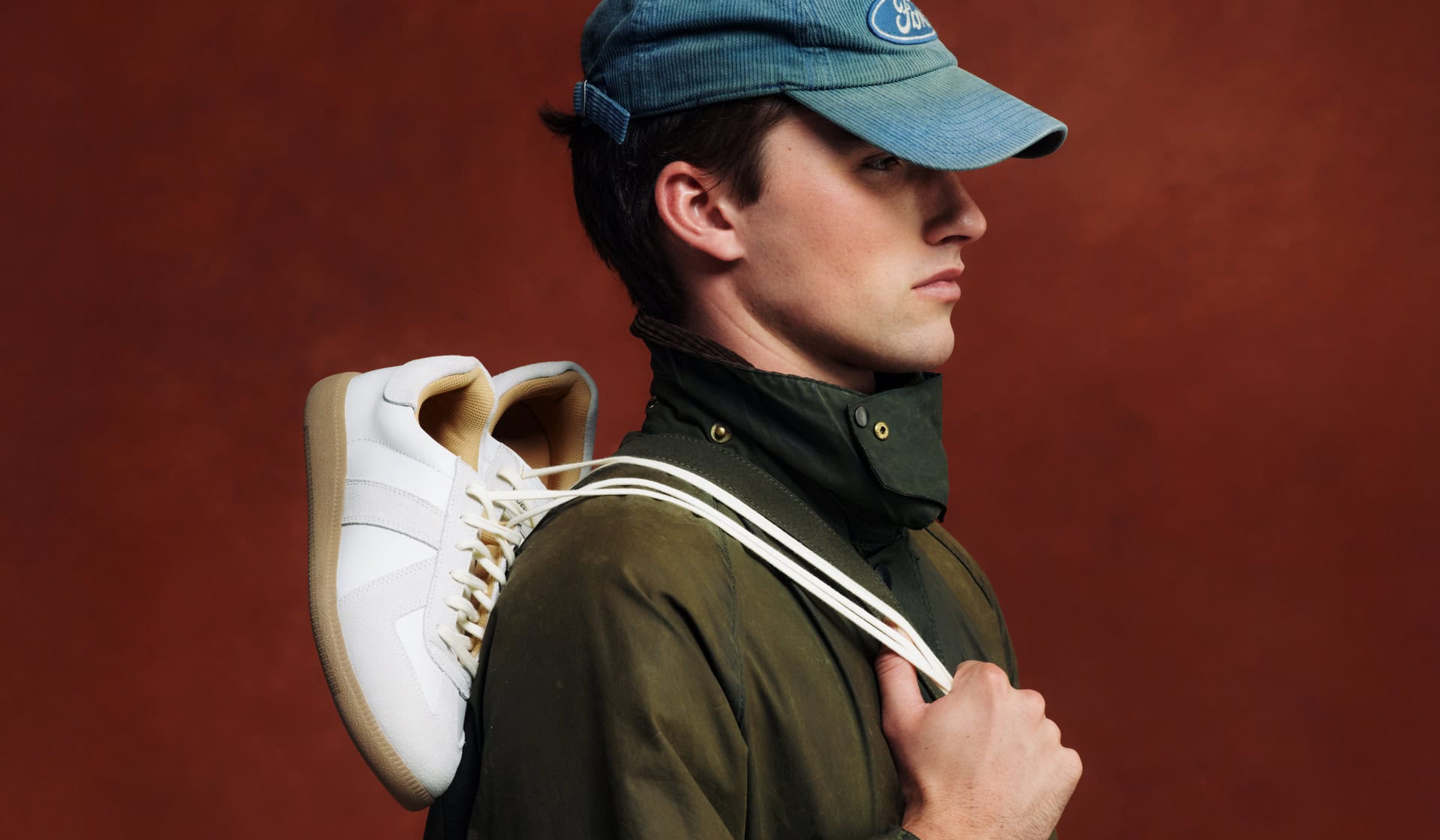
A seismic shift has been taking place in the world of footwear fashion. For a decade, ugly oversized sneakers ruled supreme, the bigger, bolder, and bulkier the better. High-fashion houses found themselves locked in an arms race to create the most monstrous, maximalist shoes possible, and on the high street, big-name brands like Adidas, Nike, Puma and Reebok were experiencing booming sales around their chunkiest offerings. But in recent years, minimalism has begun to resurface.
Low-profile sneakers such as the Adidas Samba and the Puma Speedcat have proven to be some of the most popular models in recent memory, and even shoes like Common Projects’ Achilles Low are starting to creep back into the conversation. So it was only a matter of time before the world rediscovered perhaps the ultimate minimalist sneaker: the German Army Trainer, or GAT.
What Is A German Army Trainer?

Collegium
The GAT was originally produced for the West German military as an indoor training shoe. Early versions are widely claimed to have been made by Adidas, although contracts shifted between manufacturers over time.
The design dates back to the 1970s. A stripped-back leather sneaker with suede overlays at the toe, a gum rubber sole and little in the way of branding. Functional, durable and, honestly, kind of forgettable. For decades, surplus pairs circulated through European army stores, ultimately being picked up by stylists and designers – most notably Martin Margiela – who appreciated the sleek silhouette and balanced proportions.
The GAT was all about stability and grip on indoor surfaces. Cushioning was less of a concern. As a result, the shoe is relatively flat to the floor, giving it a slim, low-profile shape. It’s almost dress-shoe-like in its silhouette, especially compared to modern running shoes.
Are German Army Trainers Trending in 2026?
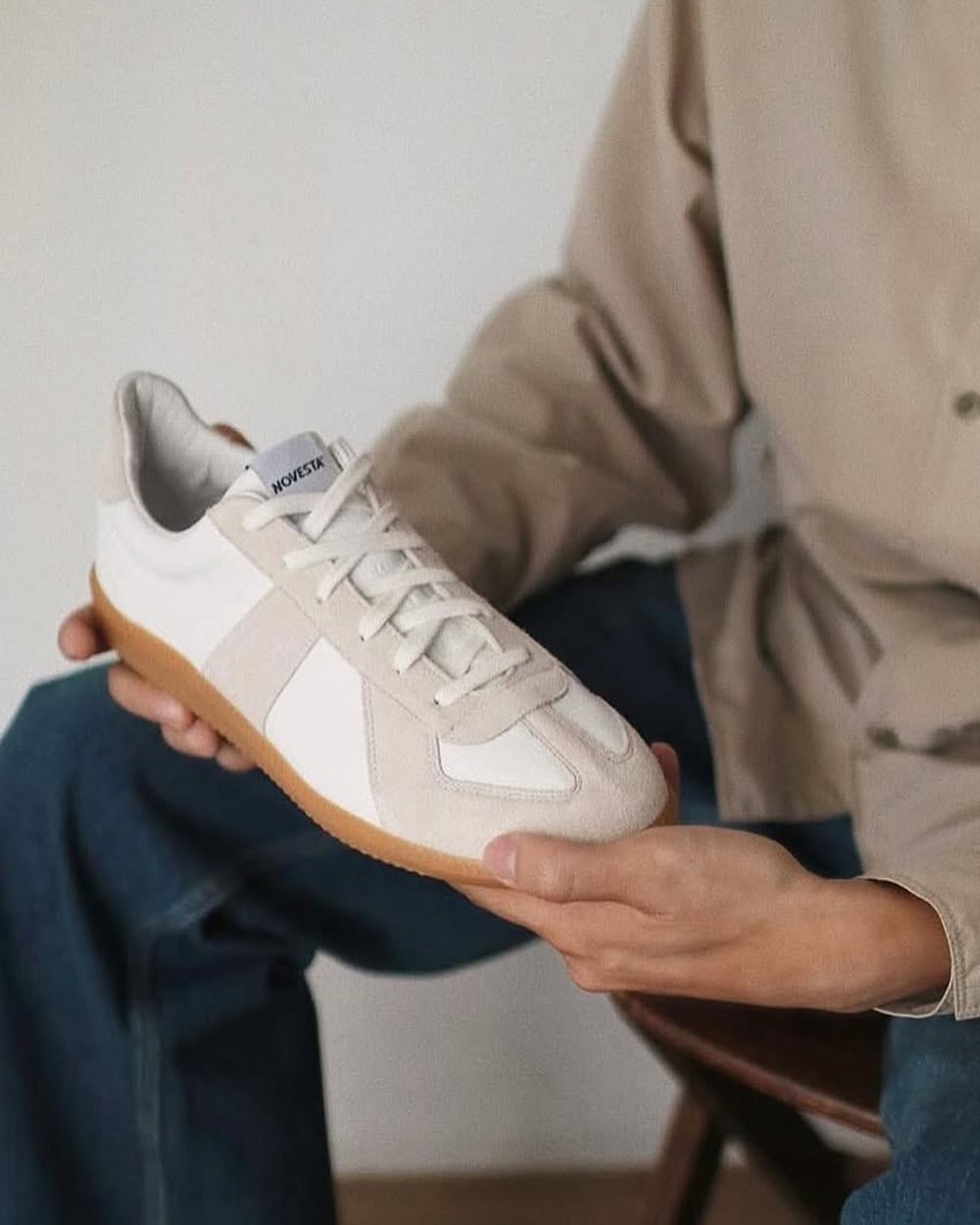
Novesta
Yes. Big time. As the pendulum swings back towards minimalism in menswear, the GAT has been one of the first stripped-back sneakers to experience a full-scale resurgence.
It never really stopped being cool, but now it feels like it’s back in the spotlight. Have a flick through street-style galleries from the latest fashion weeks around the world, and you’ll spot numerous pairs being styled in different ways, and that’s a big part of the shoe’s appeal – it’s a bit of a blank canvas.
The Best Brands For German Army Trainers
Maison Margiela
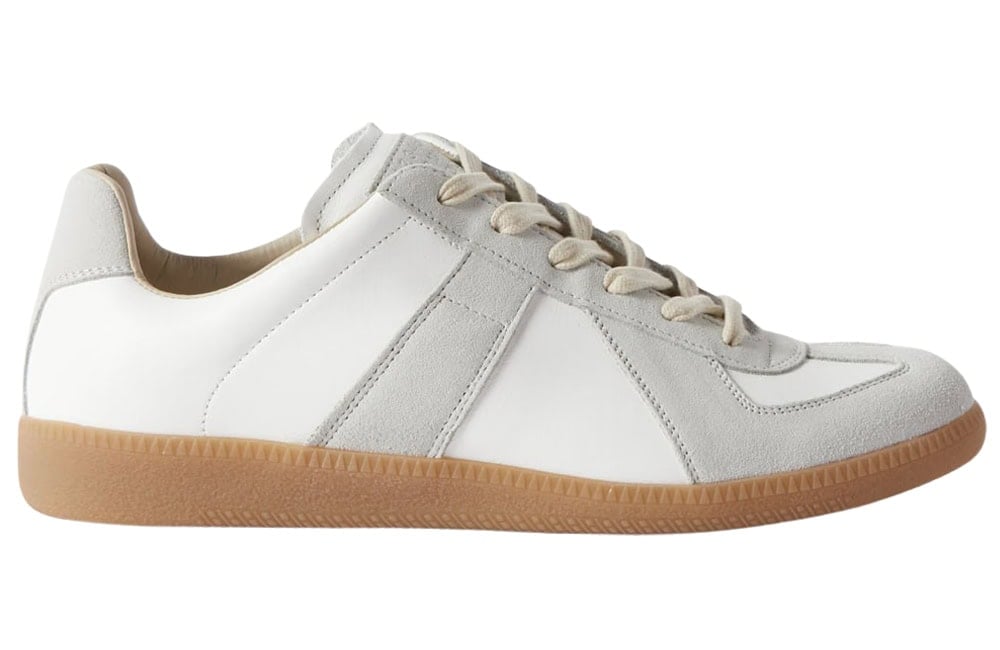
You can’t talk about German Army Trainers without mentioning Martin Margiela. The Belgian designer was one of the very first to recognise the shoe’s potential as a fashion item, reproducing his own version in the late nineties as the Maison Margiela Replica.
Faithful in shape and styling, but elevated in materials, it was a luxury spin on a distinctly unluxurious item. Italian leather, the softest suede and even hand-painted finishes pushed the GAT in a different direction – one that suited it, and that happened to resonate with the fashion world in a way that can still be felt today. In fact, Margiela’s version is arguably more famous than the shoe that inspired it in the first place.
Adidas
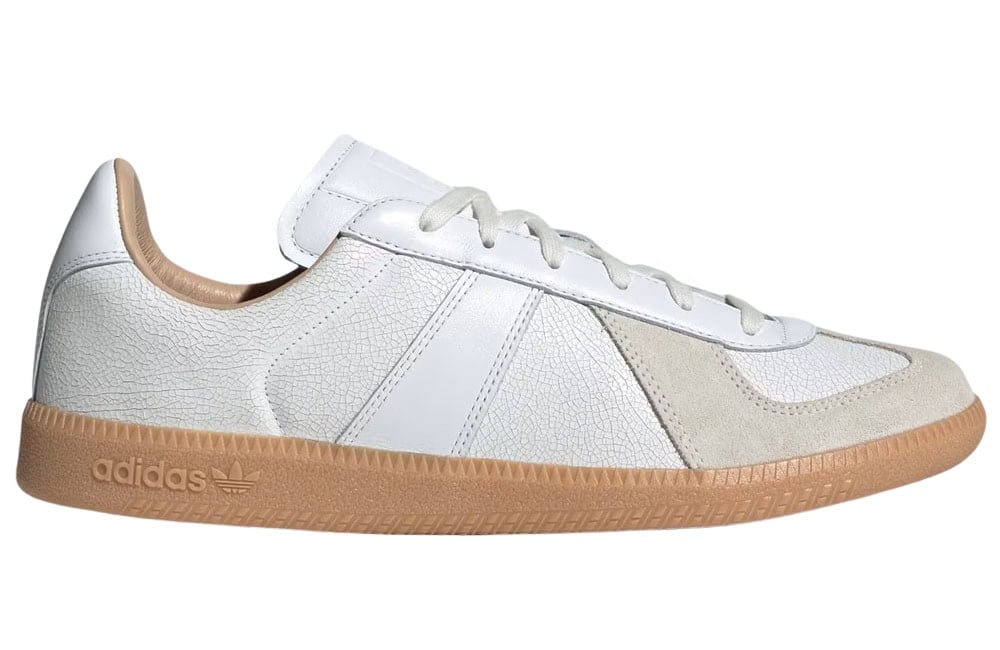
Adidas is often cited as one of the original manufacturers for the German military, and its modern BW Army model draws directly from the original.
Compared to luxury interpretations, Adidas keeps things closer to the shoe’s practical sportswear roots. The leather is sturdy rather than indulgent, the construction sensible, the price accessible. The proportions are correct, which is what matters most. If you want something closest to what soldiers might have worn, minus decades of wear, this is the logical starting point. Plus, from a distance, they look almost identical to their £590 alternatives.
Reproduction of Found
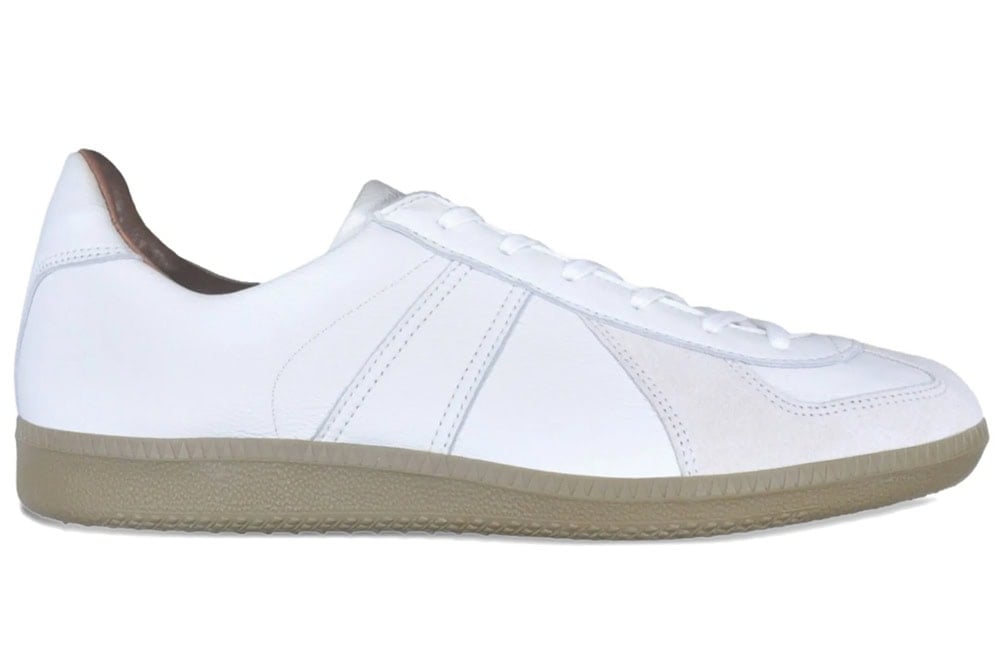
Japanese label Reproduction of Found specialises in remaking obscure military footwear, so naturally it has some thoughts about the German Army Trainer. The brand’s version is produced in Slovakia using Italian leather and closely follows the original pattern.
The appeal here lies in the attention to detail. Stitching lines, panel shapes and sole units feel carefully considered rather than mass-produced. The finishing is cleaner than vintage surplus but avoids overt luxury flourishes. Ultimately, it’s a historically minded take that will appeal to people who enjoy knowing exactly where a design comes from.
Novesta
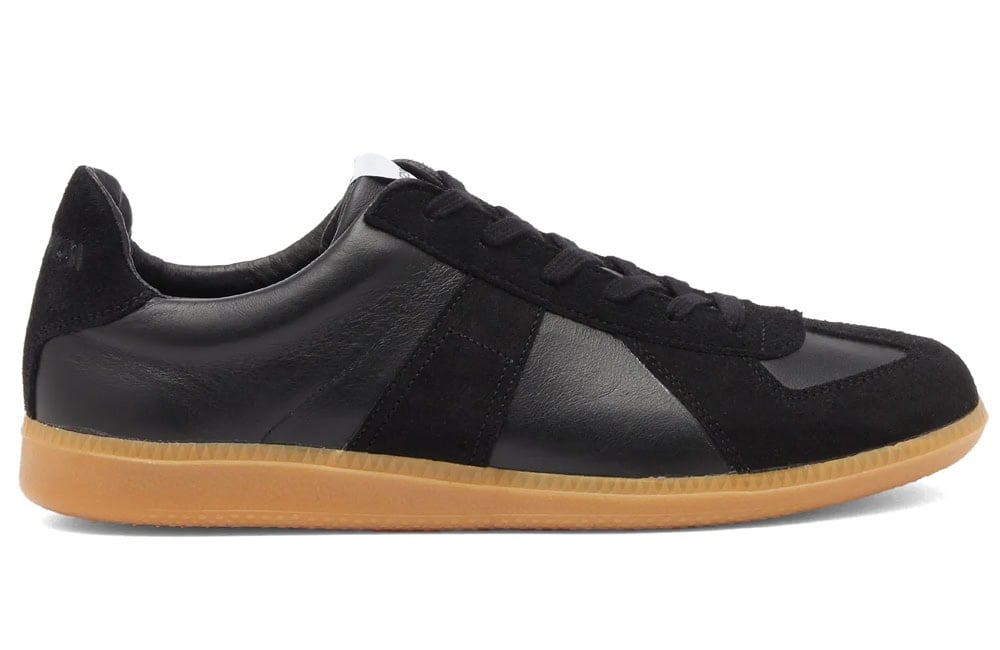
Slovakian brand Novesta is better known for vulcanised canvas shoes, such as the best-selling cult favourite, the Star Master. But its interpretation of the German Trainer leans into its manufacturing expertise.
The result feels reassuringly robust, with a price tag that feels more Three Stripes than Margiela. The rubber sole unit has a sturdy utilitarian edge, and the materials are nice without being precious about it. It is less about luxury or archival purity and more about everyday wearability. Think of it as the pragmatic option for people who want a shoe they can run into the ground.
Puma
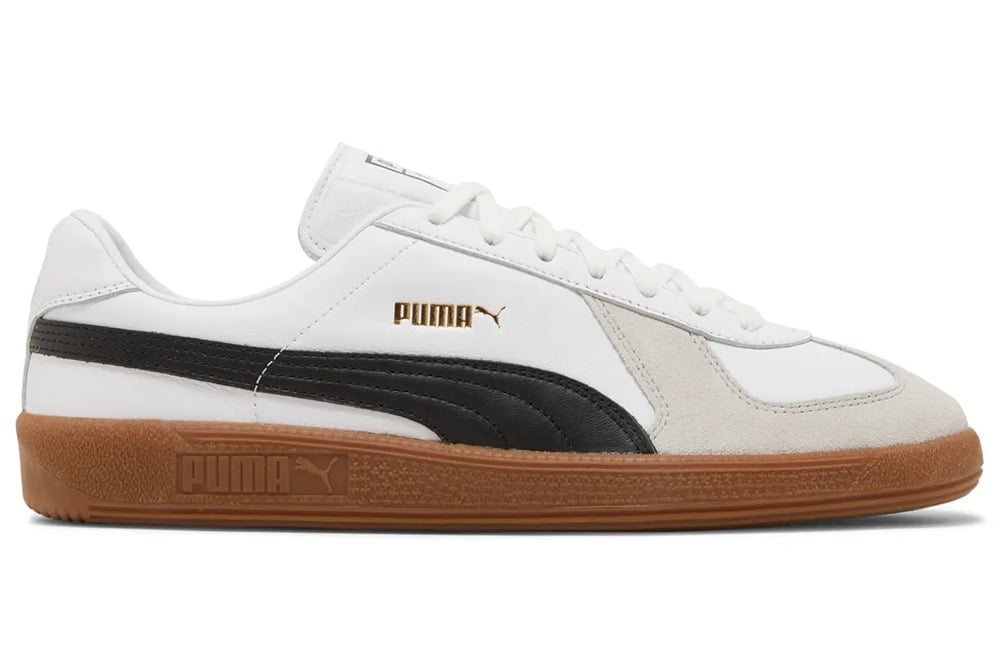
Puma, another German sportswear institution, has periodically revisited similar low-profile court silhouettes rooted in military and training footwear.
Puma’s take stays true to the original while adding a few subtle details to distinguish it visually. The brand has quietly streamlined the upper and introduced some branding to the sides. Tastefully executed, but purists might argue it goes against the stripped-back styling of the original.
Oliver Cabell
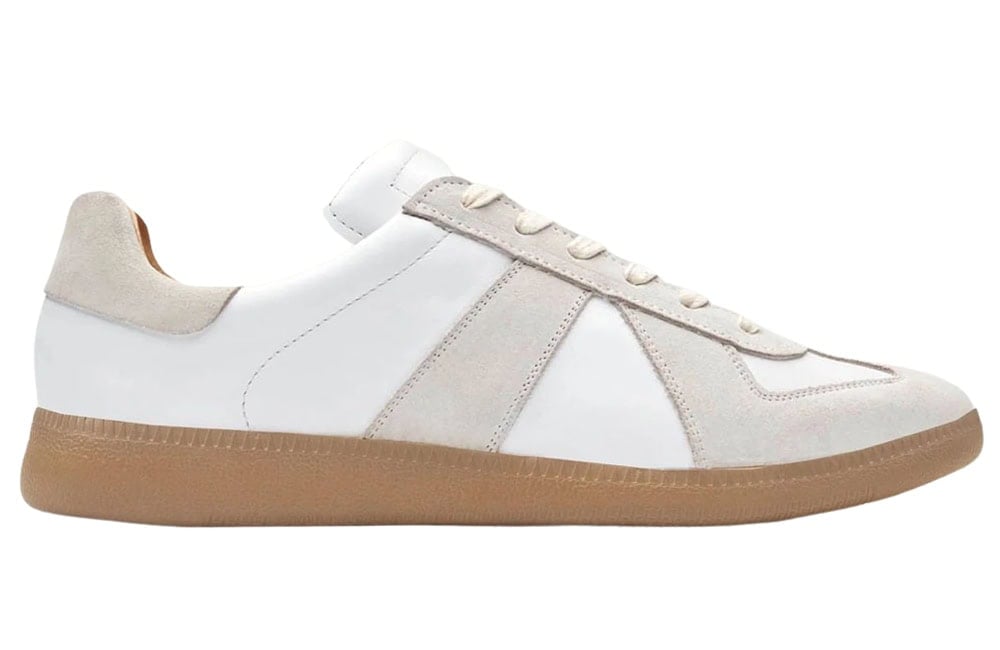
Direct-to-consumer brand Oliver Cabell bridges the gap between mass-market sportswear and high-end luxury. Its take on the iconic shape is constructed from premium materials with an elegant silhouette, but the price tag is much more palatable than some of the more expensive options.
If you want construction that feels slightly elevated from the Adidas and Puma versions, but don’t want to stray beyond mid-tier pricing, this could be a good option for you.
Hender Scheme
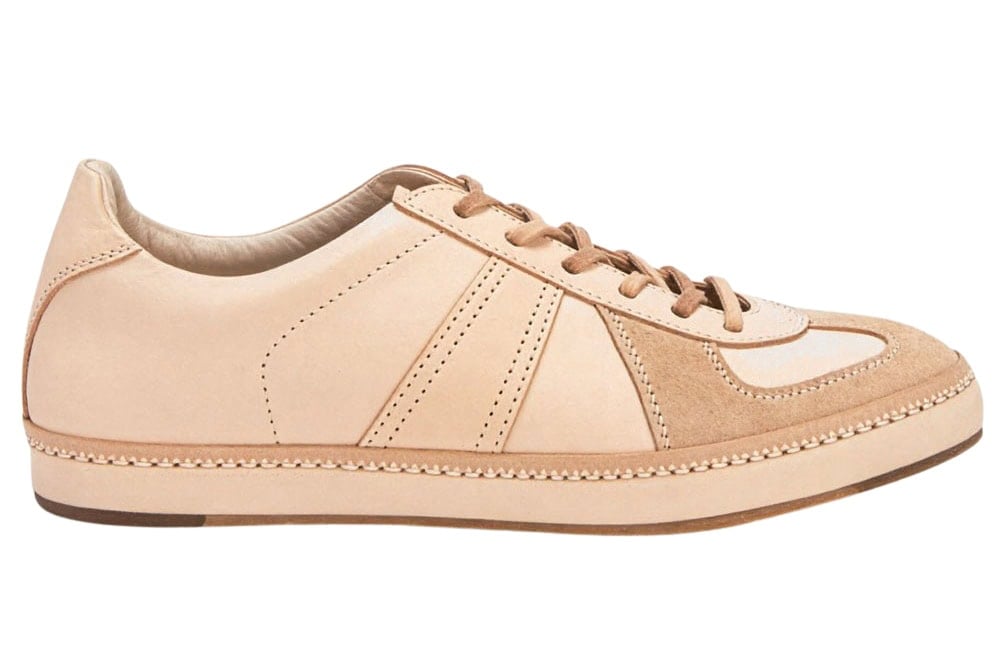
Japanese label Hender Scheme approaches the German Army Trainer – as it does all of its footwear – as a study in material. Its versions are often rendered in untreated, vegetable-tanned leather that darkens and develops patina over time.
Logos are entirely absent and the colour is natural. The focus is on craft and ageing rather than strict military authenticity. The result feels almost artisanal, turning a once utilitarian object into something closer to a long-term leather good.
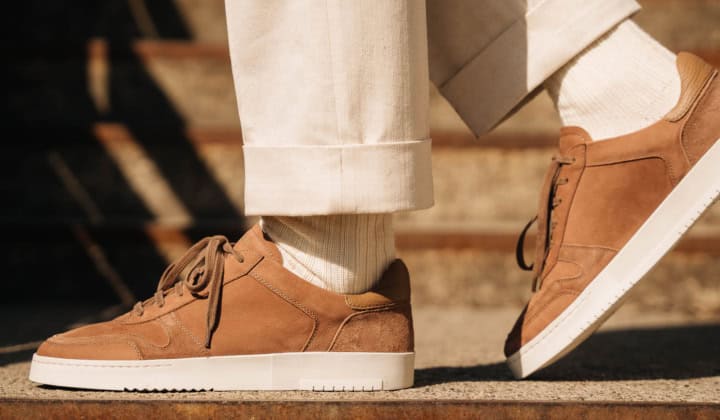
Collegium
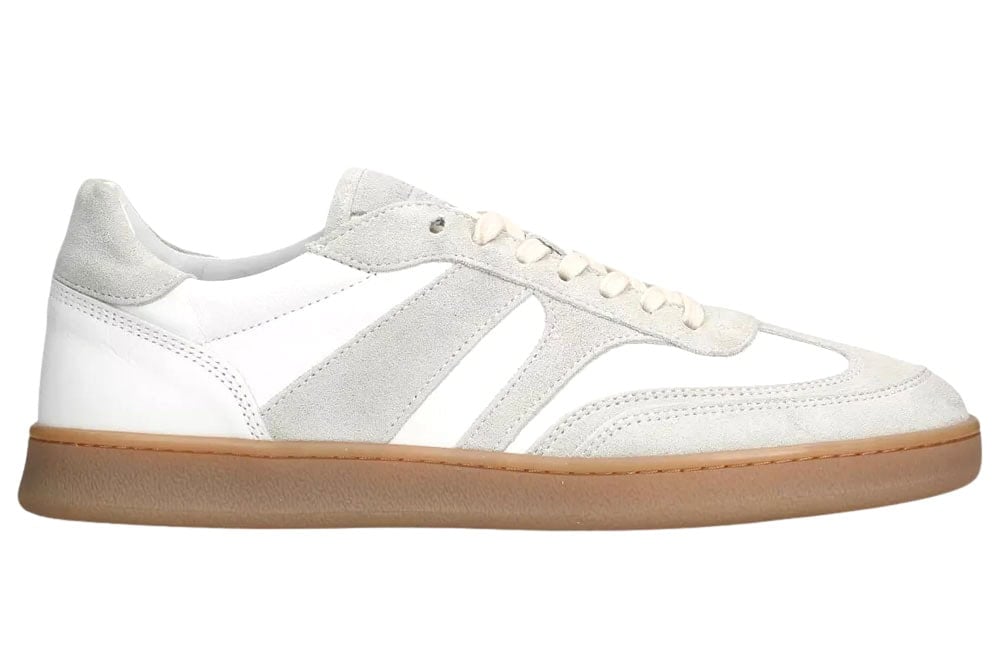
Los Angeles-based Collegium produces small-batch sneakers in Italy, and its low-profile models borrow heavily from the GAT blueprint, albeit with a few aesthetic flourishes here and there.
Expect sharper lines, higher-grade leathers and a more sculpted silhouette. The toe box is often slightly more refined, giving the shoe a dressier feel. You’ll also notice some artistic license has been applied when it comes to the signature suede panelling.
Crown Northampton
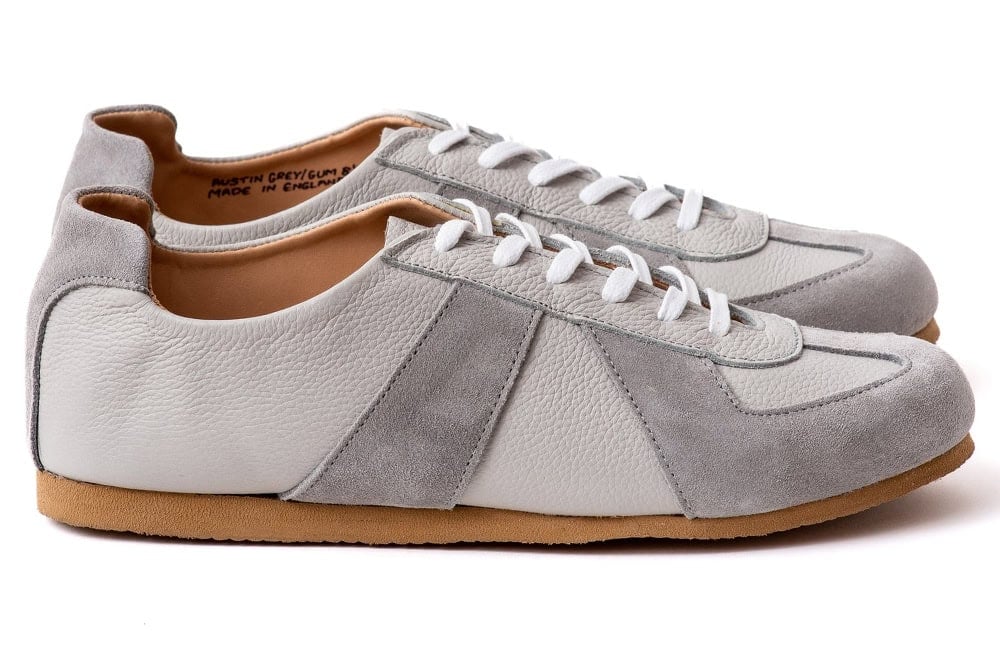
British maker Crown Northampton brings traditional shoemaking sensibilities to the GAT genre. Handmade in Northampton, its interpretation emphasises full-grain leathers and meticulous finishing.
The silhouette nods to the original, but the construction quality is closer to that of a premium dress shoe. For those who see the German Army Trainer as a bridge between smart and sporty, Crown Northampton makes a compelling case.