20 Things Men Waste Far Too Much Money On
Most men like to think they’re fairly sensible with money.
Sure, there might be the odd impulse purchase or questionable financial decision along the way, but generally speaking, we’d all like to believe we’re making smart choices. The reality is often a little different.
The biggest drains on your bank balance aren’t always obvious. They’re rarely one-off disasters. Instead, they’re the purchases that quietly become habits. The subscriptions you forgot about. The gadgets you never use. The clothes you never wear. The things you buy because they represent who you’d like to be rather than who you actually are.
The good news is that identifying where money disappears is often the first step towards keeping more of it. Here are the things men waste money on more than they’d care to admit.
Clothes They Never Actually Wear

Every man has them. The jacket that looked incredible under the shop lighting. The shirt bought for a specific occasion that never arrived. The trainers that seemed like a good idea at the time.
If something spends more time on a hanger than on your back, it wasn’t a purchase. It was a donation to the retailer.
Subscription Services They Forgot They Had
Modern life runs on subscriptions. Streaming services, fitness apps, cloud storage, software memberships, premium newsletters.
Individually, they seem harmless. Collectively, they can quietly swallow hundreds of pounds every year.
Most people would be genuinely surprised if they sat down and added them all up.
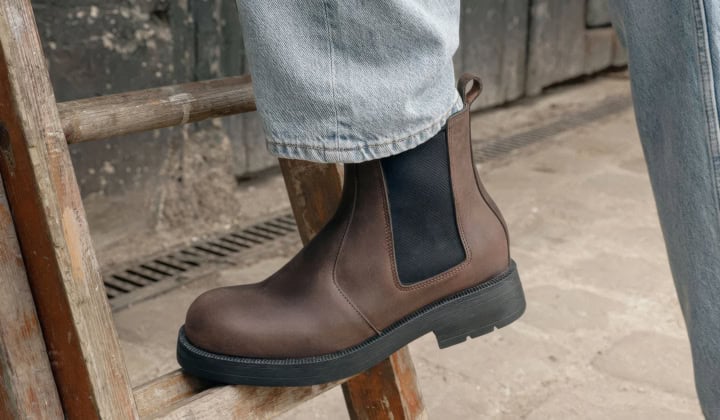
Cheap Shoes
The classic false economy.
A cheap pair of shoes might seem like a bargain until you’re replacing them every few months. Meanwhile, a quality pair can last years while looking better the entire time.
Buy well, buy once.
Fitness Gadgets
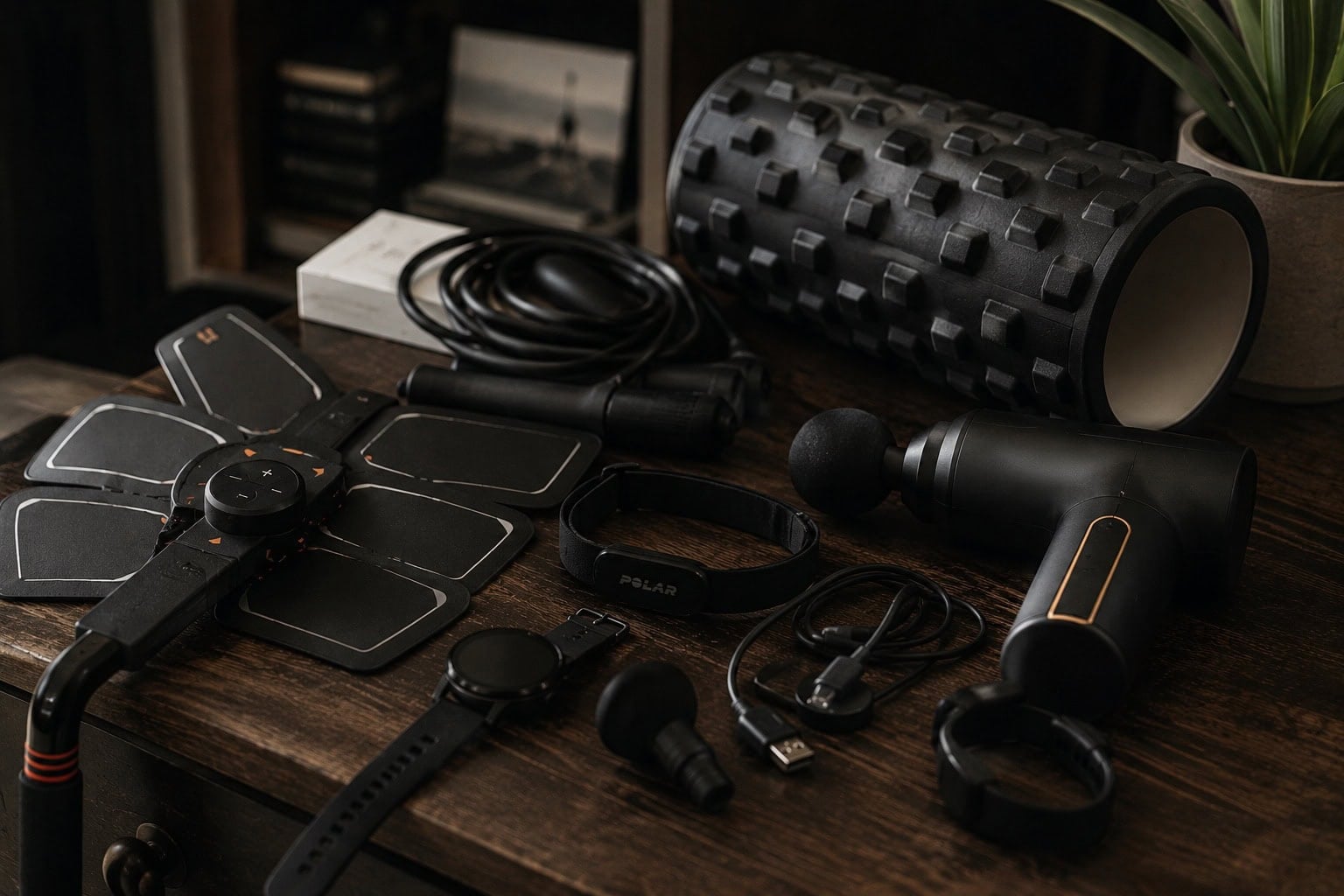
Most men don’t need another smartwatch, recovery device, massage gun or fitness tracker.
The uncomfortable truth is that the basics still work. Sleep properly. Walk more. Eat better. Lift heavy weights consistently.
No gadget has ever replaced discipline.
Alcohol They Don’t Even Enjoy
There’s a difference between enjoying a drink and drinking out of habit.
A surprising amount of money gets spent on rounds, supermarket wine and forgettable pints simply because it’s become routine. If you’re drinking it purely because it’s there, it’s probably worth asking why.
Takeaways Out Of Laziness
Everyone deserves a takeaway occasionally.
The problem is when ‘occasionally’ quietly becomes three times a week. Spending £25 on a burger, chips and a delivery fee because you can’t be bothered to cook isn’t convenience. It’s an expensive habit.
Cars They Can’t Really Afford

Few purchases destroy disposable income quite like a car bought primarily for appearances.
The monthly payment, insurance, maintenance and depreciation often continue long after the excitement has disappeared. Most people spend far more time paying for their car than enjoying it.
Trendy Fashion
The problem with trends is that they eventually stop trending.
Many men have wardrobes full of pieces that felt current for a few months before rapidly becoming dated.
Classic style rarely delivers the same short-term excitement, but it almost always wins in the long run.
Smartphone Upgrades
Most people use their smartphone for messages, social media, photos and checking the weather.
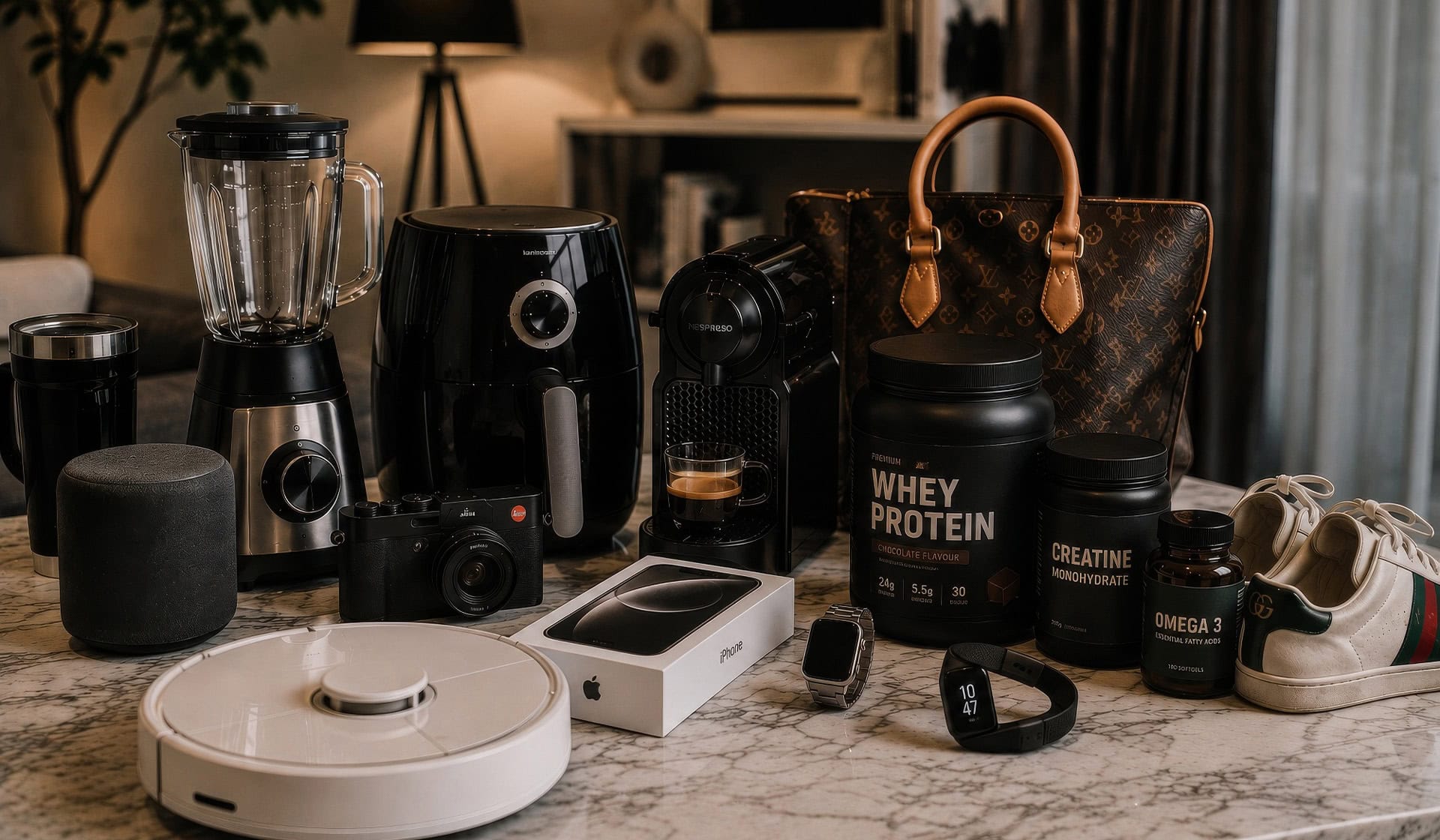
Yet every year, millions convince themselves they need the newest model immediately. For most users, the difference between this year’s phone and last year’s phone is far smaller than the marketing department would like you to believe.
Lottery Tickets

Someone has to win. It’s probably not going to be you.
A few pounds here and there doesn’t feel significant, but over decades many people spend thousands funding a dream with odds that border on the impossible.
Things Bought For Their Fantasy Self
This might be the biggest money trap of all.
The guitar for the future musician. The camera for the future photographer. The expensive kitchen equipment for the future chef.
There’s nothing wrong with new hobbies. The problem is buying the equipment before developing the habit.
Extended Warranties
Some offer genuine value. Many don’t.
Retailers love selling them because they’re often extremely profitable. Before adding another protection package, ask yourself whether the product is likely to break and whether the cover actually offers meaningful protection.
Branded Luxury Goods

Quality is worth paying for. Huge logos often aren’t.
Many products command enormous mark-ups simply because of the name attached to them. Sometimes you’re paying for craftsmanship. Other times you’re paying for the privilege of advertising the brand.
Supplements They Don’t Need
Walk into any gym and you’ll find cupboards full of tubs promising incredible results.
Most people would benefit far more from improving their diet than adding another powder. Supplement companies have become experts at selling solutions to problems that don’t really exist.
Convenience Fees
Delivery charges. Booking fees. Service fees. Platform fees.
They’re often small enough to ignore. But they can quietly cost hundreds or even thousands every year. Modern life is increasingly designed around paying extra for convenience.
Household Gadgets
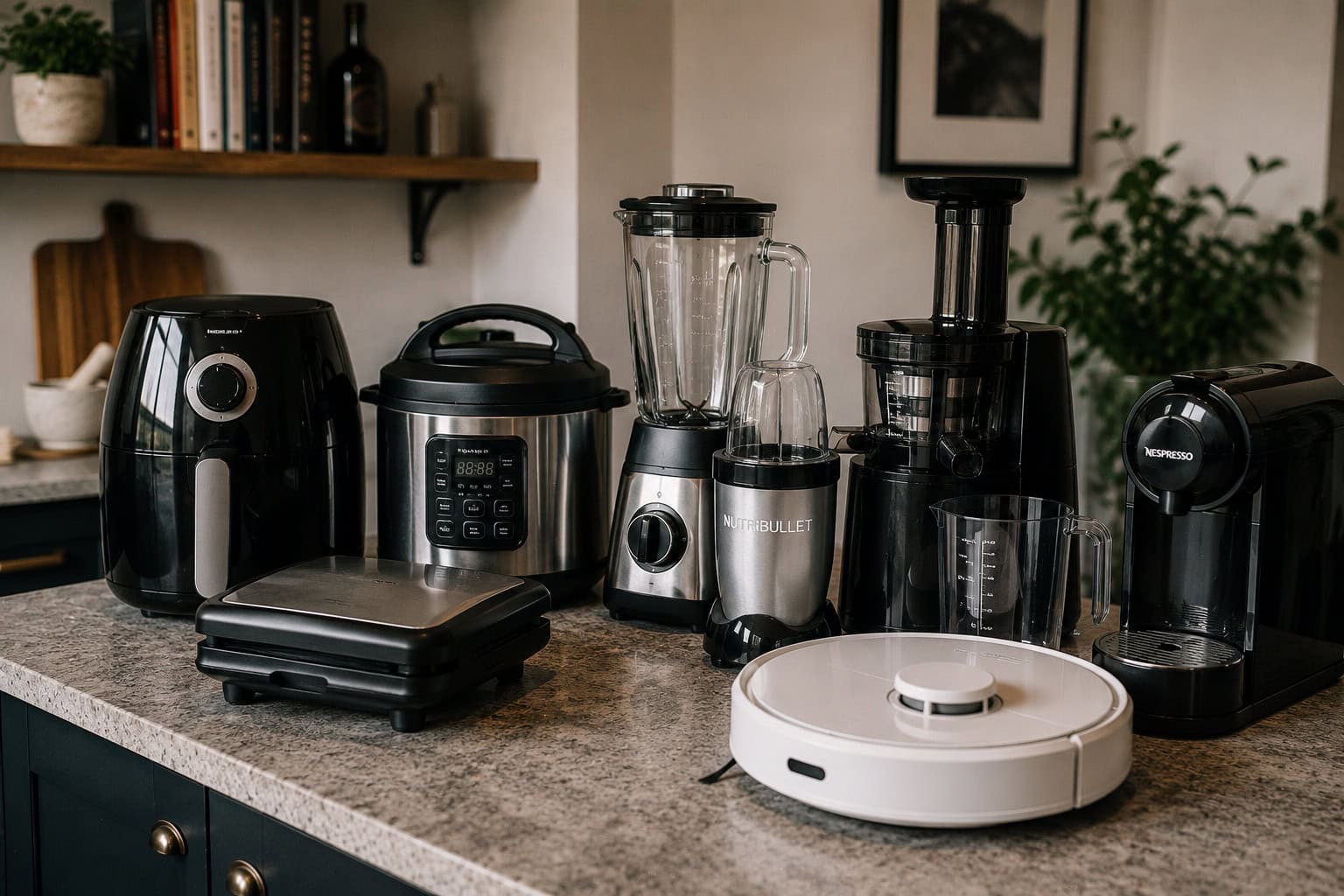
For every genuinely useful invention, there are dozens that solve problems nobody actually has.
Most end up at the back of a cupboard after a brief honeymoon period. The kitchen is particularly guilty of this. Ninja Creami, anyone?
Cheap Furniture
A sofa that falls apart after three years isn’t a bargain. Neither is a dining table that wobbles from day one.
Good furniture often feels expensive until you realise how long it lasts compared to buying the same thing repeatedly.
Sales Purchases
A discount doesn’t magically create a need.
Retailers understand this better than anyone. The thrill of getting a bargain often overshadows a simple question: would you have bought it if it were full price?
If the answer is no, you haven’t saved money at all.
Impressing Other People

The hidden expense behind countless bad purchases.
Cars, watches, clothes, holidays, houses. Many financial mistakes start with worrying too much about what other people might think.
The irony is that most people are far too busy thinking about themselves to notice.
Self-Improvement Purchases
Books. Courses. Productivity systems. Online programmes.
None of them are inherently bad. The problem comes when buying self-improvement replaces actual self-improvement. Reading about habits is considerably easier than changing them.