9 Winter Style Mistakes Men Keep Making

Winter is when a wardrobe gets interesting. Coats, knitwear and proper shoes return to service, and the extra layers give you more room to play with colour, texture and shape. Summer may be easier, but it rarely offers this much to work with.
More choice also means more opportunities to get it wrong. A good coat can struggle over the wrong jumper, summer trainers can undo an otherwise sensible outfit, and dressing for a bright morning can leave you badly prepared for the journey home.
Most of these mistakes need a small adjustment, not a new wardrobe. From underpowered outerwear to layers fighting for space, here are nine common winter style missteps and how to fix them.
Insufficient Outerwear

A chore jacket can do a lot. But it can’t get you through a bitter winter morning comfortably. Yet every year, men try to carry the same lightweight outerwear from September through to March, relying on optimism and an increasingly thick jumper to make up the difference.
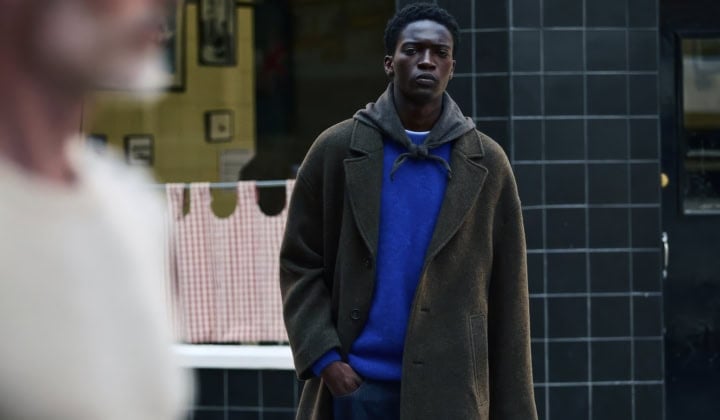
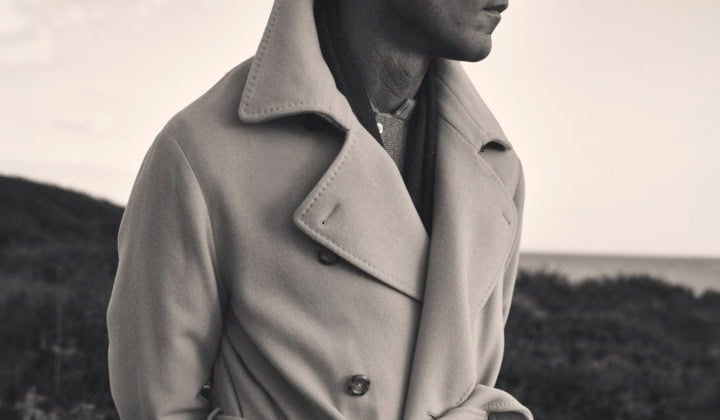
The fix: Make room for a proper winter coat. A substantial wool overcoat is useful for smarter outfits; an insulated parka makes sense when warmth and everyday practicality come first.
Look for enough length to offer useful coverage and enough room through the shoulders and sleeves for layers underneath.
If wet weather is part of the brief, check the jacket’s rain protection as well as its insulation. A heavy coat isn’t automatically waterproof.
Dressing For The Weather You Want

Owning the right clothes is only half the job. You also have to wear them. A dry spell at breakfast can encourage some wildly optimistic decisions, particularly if you’ll be spending the evening waiting on a windswept station platform.
The fix: Check the hourly forecast for the times you’ll actually be outside. Consider rain and wind, not just temperature and allow for the journey home.
A waterproof outer layer, a scarf or a pair of gloves may be more useful than another thick jumper. Build the outfit around the day ahead, rather than the five minutes you can see from the kitchen window.
Underbuilt Footwear
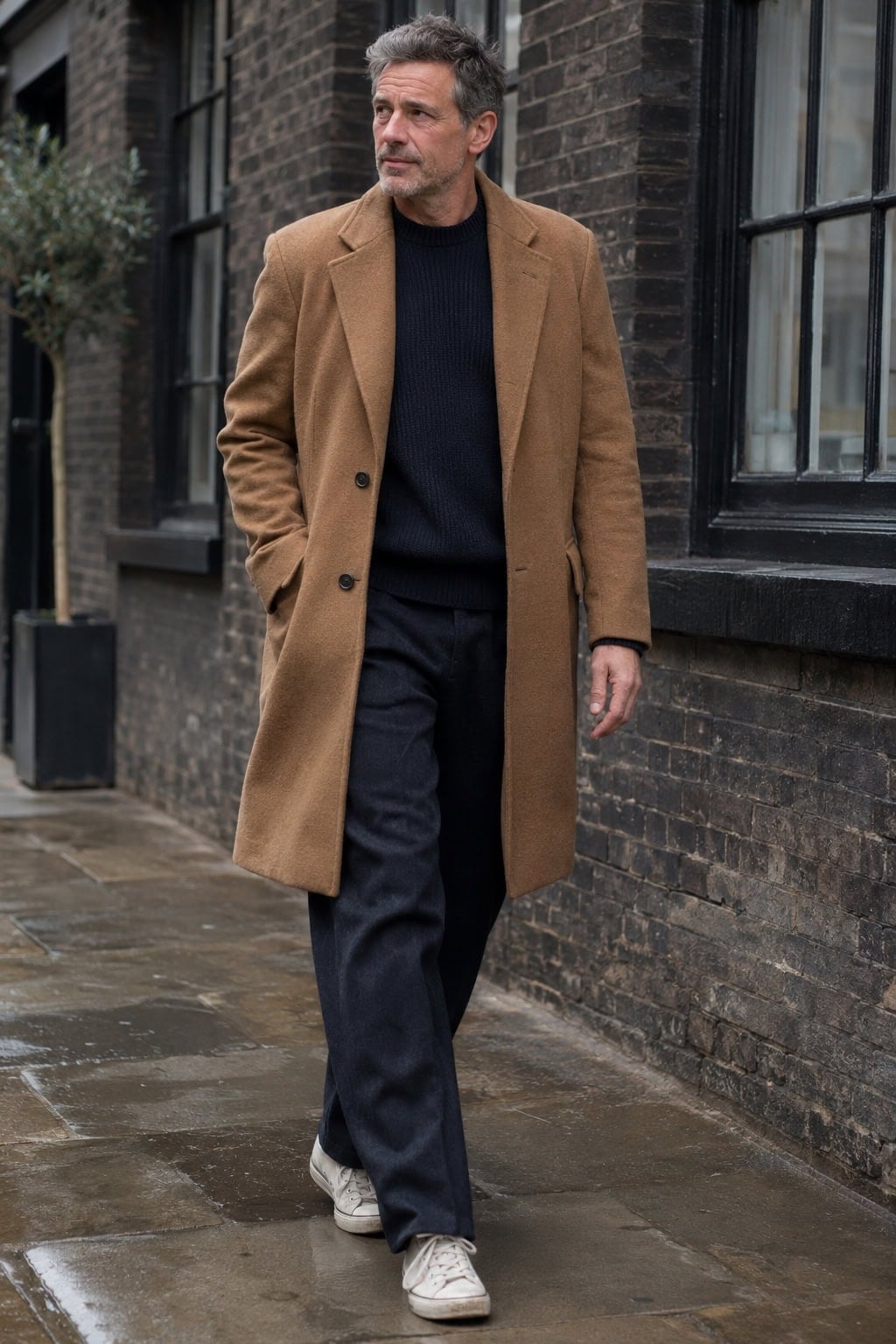
A warm coat offers limited consolation when your socks are wet. Canvas trainers, mesh running shoes and thin-soled loafers all have their place, but they’re unlikely to be your most useful options for a run of cold, wet days.
The fix: Look for sturdy uppers, useful tread and construction suited to the conditions. Leather boots with substantial rubber soles are an obvious starting point, but derbies with commando soles or waterproof trainers can work too.
Check the details rather than judging by appearance: a chunky shoe isn’t necessarily waterproof, and leather needs appropriate care. Choose footwear you can clean and maintain without treating every puddle as a personal emergency.
What’s A Midlayer?

A parka over a T-shirt can keep things simple outdoors. Take the coat off, however, and the outfit has very little left to say. Skipping the middle layer also means missing an easy way to adjust your warmth as you move between the street, the train and the office.
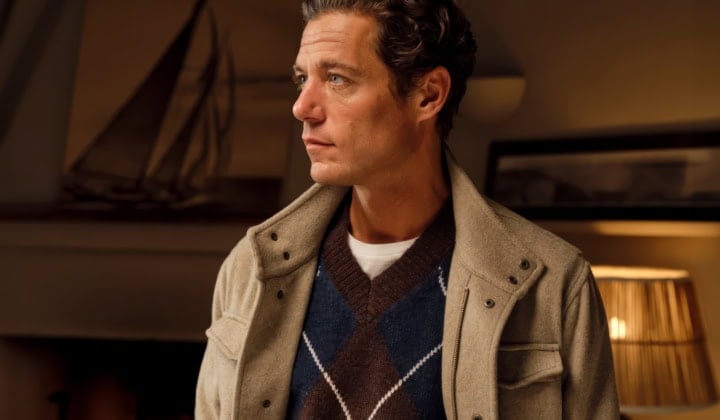
The fix: Make room for the pieces that sit between a base layer and a coat. Fine-gauge knitwear, sweatshirts, overshirts and fleeces can all do the job, depending on the outfit.
Start with one that fits comfortably beneath your outerwear and looks good once the coat comes off. You don’t need to wear several at once. A well-chosen jumper is often enough.
Bad Layering
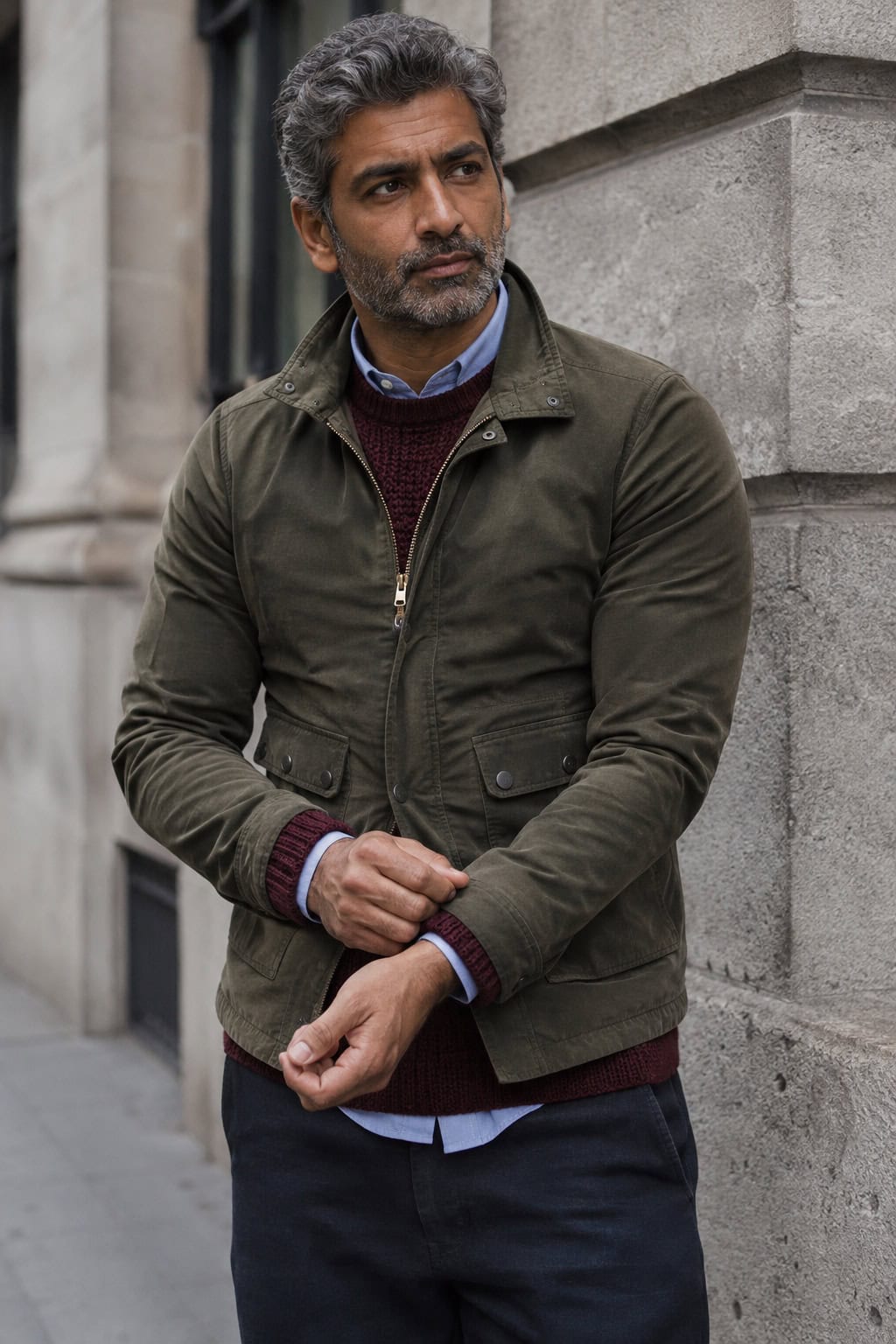
Wearing more clothes doesn’t automatically make an outfit better. Thick sleeves crammed into narrow armholes, collars trapped beneath knitwear, and several competing hemlines usually suggest the individual pieces haven’t been considered together.
The fix: Start with a light base and build outwards, keeping unnecessary bulk out of the inner layers. A fine knit beneath a substantial coat will often sit more comfortably than a chunky jumper forced under a fitted jacket.
Check the shoulders, sleeves, cuffs and neckline, then move your arms and fasten the outer layer. If everything pulls or bunches, change a piece rather than hoping it will settle down.
Ignoring Texture

Winter gives you corduroy, brushed wool, flannel, suede and substantial knitwear to work with. It seems a shame to spend the whole season in smooth cotton and fine jersey. Texture adds depth to familiar combinations, particularly when the colours are fairly restrained.
The fix: Pair two contrasting surfaces. Try a cable-knit jumper beneath a smooth leather jacket, a brushed flannel shirt with dark denim, or a ribbed cardigan under a suede blouson.
There’s no need to include every interesting fabric you own. One clear contrast can give a simple outfit all the detail it needs.
Seasonally Inappropriate Fragrance

Fragrance doesn’t come with a seasonal use-by date. If you enjoy a crisp citrus scent in December, keep wearing it. But reaching for the same fresh cologne all year can mean overlooking the woods, spices and amber scents that suit the mood of winter particularly well.
The fix: Try something with a little more warmth and depth. Sandalwood, cedar, leather, tobacco and vanilla are useful notes to explore, whether you prefer something dry and woody or softer and sweeter.
Judge the fragrance on your skin rather than assuming a note list will tell you how strong or long-lasting it is. Keep application modest, especially if you’re heading into a heated office or crowded restaurant. Cold weather isn’t permission to double the dose.
All-Black Dependency
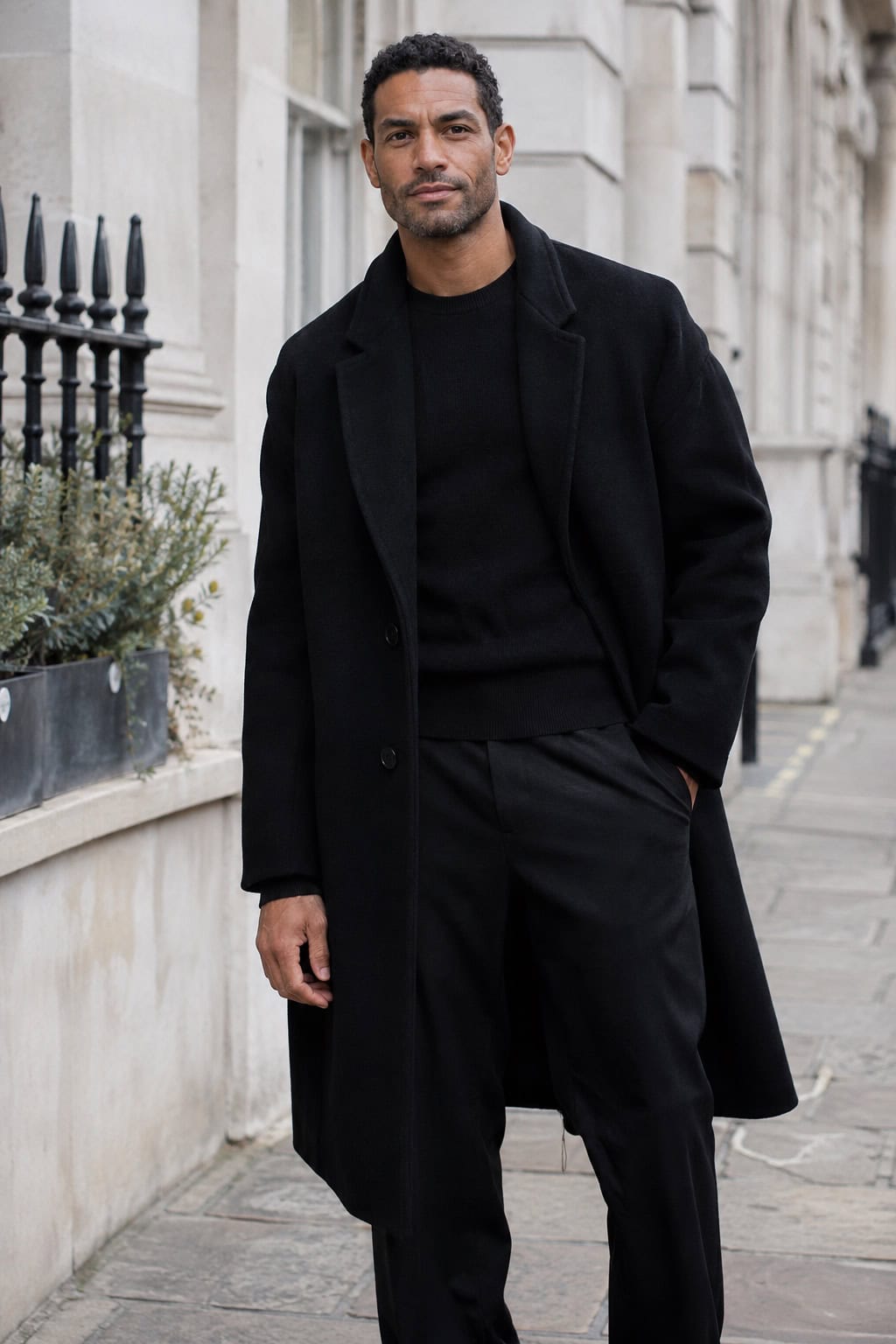
All-black outfits can look excellent. The problem comes when black becomes an automatic choice rather than a deliberate one, leaving every winter combination looking much like the last. More garments don’t necessarily create more interest if they all merge into the same dark shape.
The fix: Introduce a little separation. A grey knit beneath a black coat, dark brown trousers or a cream scarf can change the whole outfit without demanding much effort.
If you prefer to stay entirely in black, vary the surfaces: wool against leather, ribbed knitwear against smooth tailoring. You can keep the palette and still give the eye something to work with.
Forgetting Accessories

A scarf, hat or pair of gloves can look like a small detail until you leave them at home on the wrong day. They’re also an easy way to add personality to a straightforward coat-and-jumper combination. Treating them as an afterthought misses both opportunities.
The fix: Choose accessories that work with the coats you wear most. A wool scarf in charcoal, camel or burgundy, a simple ribbed beanie and a good pair of gloves are useful starting points.
Keep the scale in proportion to the outfit and add what the weather calls for. You don’t need the full set for every trip outside, but the right finishing touch can earn its place in looks and usefulness alike.