7 Autumn Style Mistakes Men Make (And How To Fix Them)

Every autumn, there’s a point when getting dressed feels like a series of bad bets. Wear a jacket, and you’re too hot. Leave it at home, and you’re cold by lunchtime. Take the suede shoes out and, naturally, it starts raining.
The season offers plenty for the wardrobe, but predictable conditions aren’t among them. The answer is a little flexibility: layers you can shed, shoes that handle wet pavements, and outerwear suited to the weather you’re actually leaving the house in.
Most autumn dressing mistakes are easy to fix once you know what to look for. These are seven of the most common, along with the small adjustments that make all the difference.
Premature Big Coat Deployment

After months of T-shirts, the first brisk morning can feel like a personal affront. It’s tempting to reach straight for the winter coat and bypass every lighter jacket in the wardrobe. You’ll be comfortable for the first five minutes, then spend the rest of the day carrying something roughly the size of a duvet.
The fix: Give transitional outerwear its turn. A waxed-cotton jacket over a fine-gauge knit often provides enough warmth for a cool autumn day, plus some protection from passing showers.
A lightweight field jacket or unlined mac can work just as well, depending on the forecast. Keep the layers underneath easy to remove and save the heavy insulation for when you need it.
Unseasonable Footwear
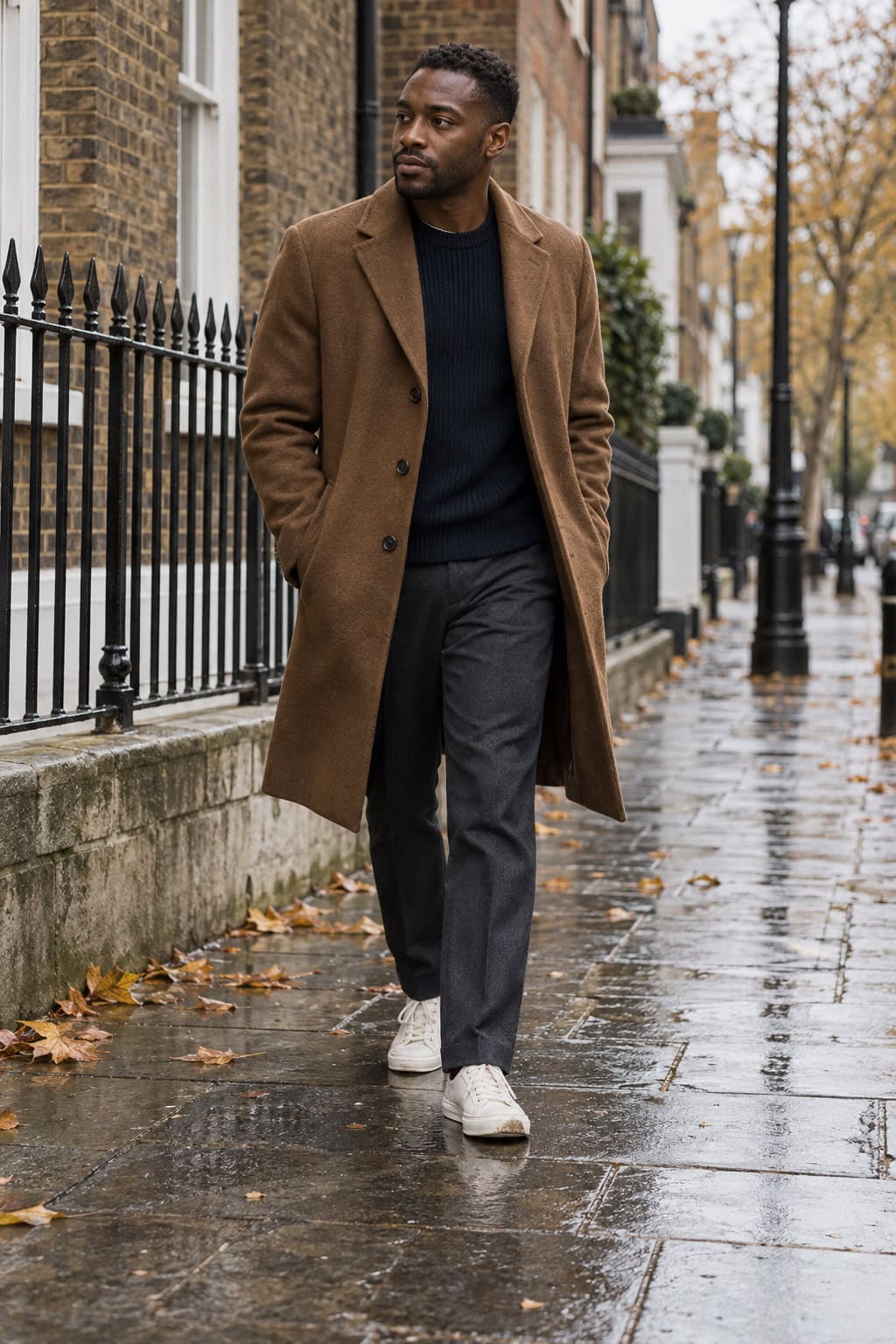
You’ve found the right coat, brought the knitwear out of storage and remembered where you left your scarf. Yet the battered canvas trainers are still doing every shift. They may have seen you through summer, but thin uppers and worn soles are a poor combination when the pavements turn cold and wet.
The fix: Treat footwear like outerwear. Look for sturdy uppers, soles with useful tread and a finish you can clean without much fuss. A waterproof trainer, a well-maintained leather boot or a substantial pair of Tyrolean derbies can all earn their place.
Check the construction, too: a chunky sole doesn’t make a shoe waterproof, and leather benefits from the right care.
Clinging Onto Summer Colours
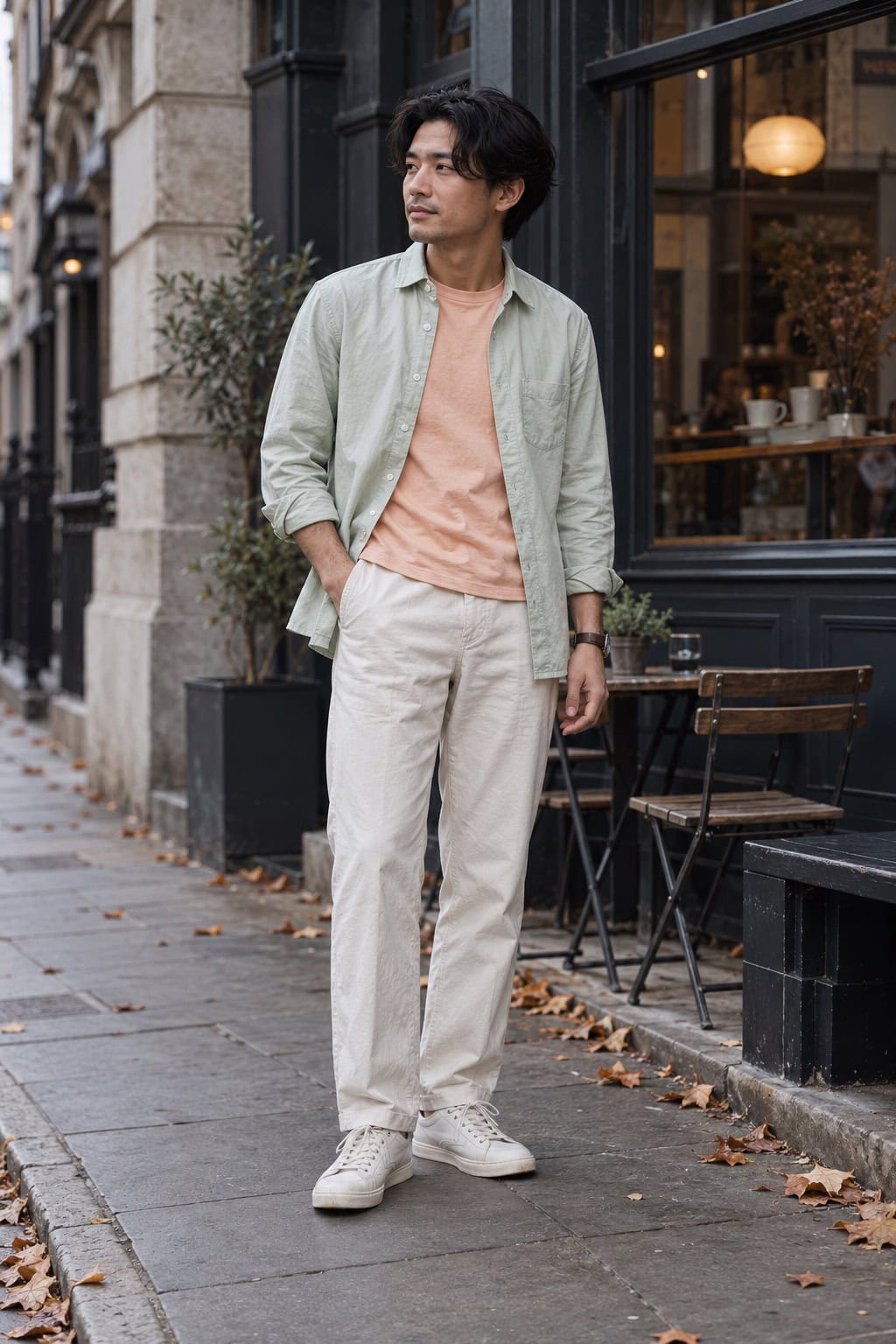
No rule requires you to retire pale colours the moment September arrives. The problem is carrying an entire summer palette into autumn without adjusting what goes with it. Pastel shirts, light trousers and bright trainers can feel disconnected from the season’s heavier fabrics and softer light.
The fix: Give lighter shades an autumnal anchor. A pale blue shirt sits comfortably beneath a chocolate-brown jacket; cream trousers work well with olive knitwear. Rust, tobacco, burgundy, moss and stone are useful starting points because they’re easy to combine without the outfit becoming busy.
Keep the pastels if you like them. Just give them some new company.
Thoughtless Layering
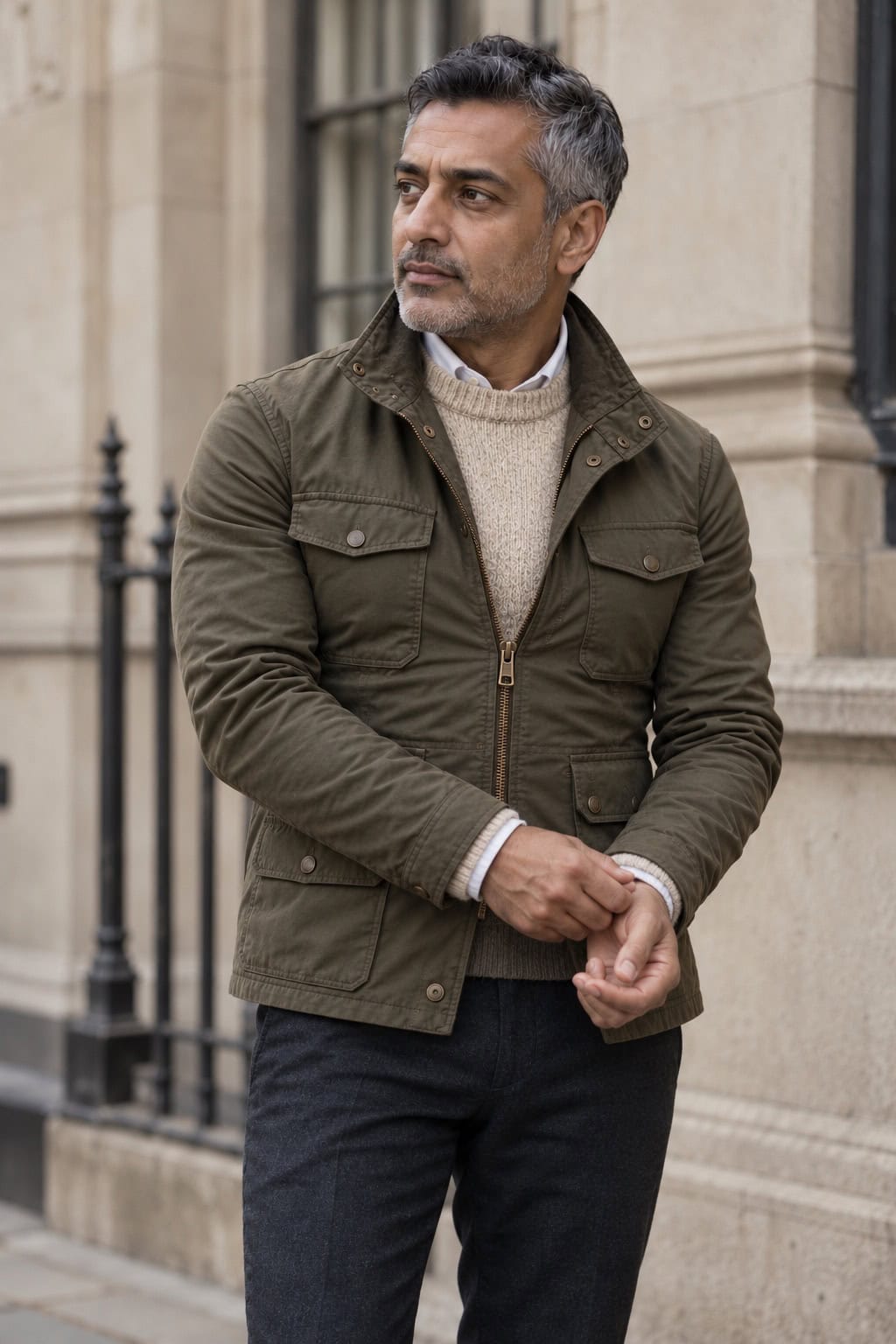
Layering gets plenty of airtime in menswear, but wearing several garments at once is only the beginning. Bulky sleeves, trapped shirt collars and a jacket straining over a thick jumper suggest the individual pieces haven’t been properly introduced.
Good layers need to work together, both on the body and when you take one off.
The fix: Start with a light base and build outwards. A T-shirt or shirt might sit beneath a fine-gauge knit or overshirt, with a weather-appropriate jacket on top. You won’t need every layer every day.
Check that the outer pieces have enough room through the shoulders and sleeves, then try the outfit without the jacket. If it only works fully assembled, rethink what’s underneath.
Ignoring The Forecast
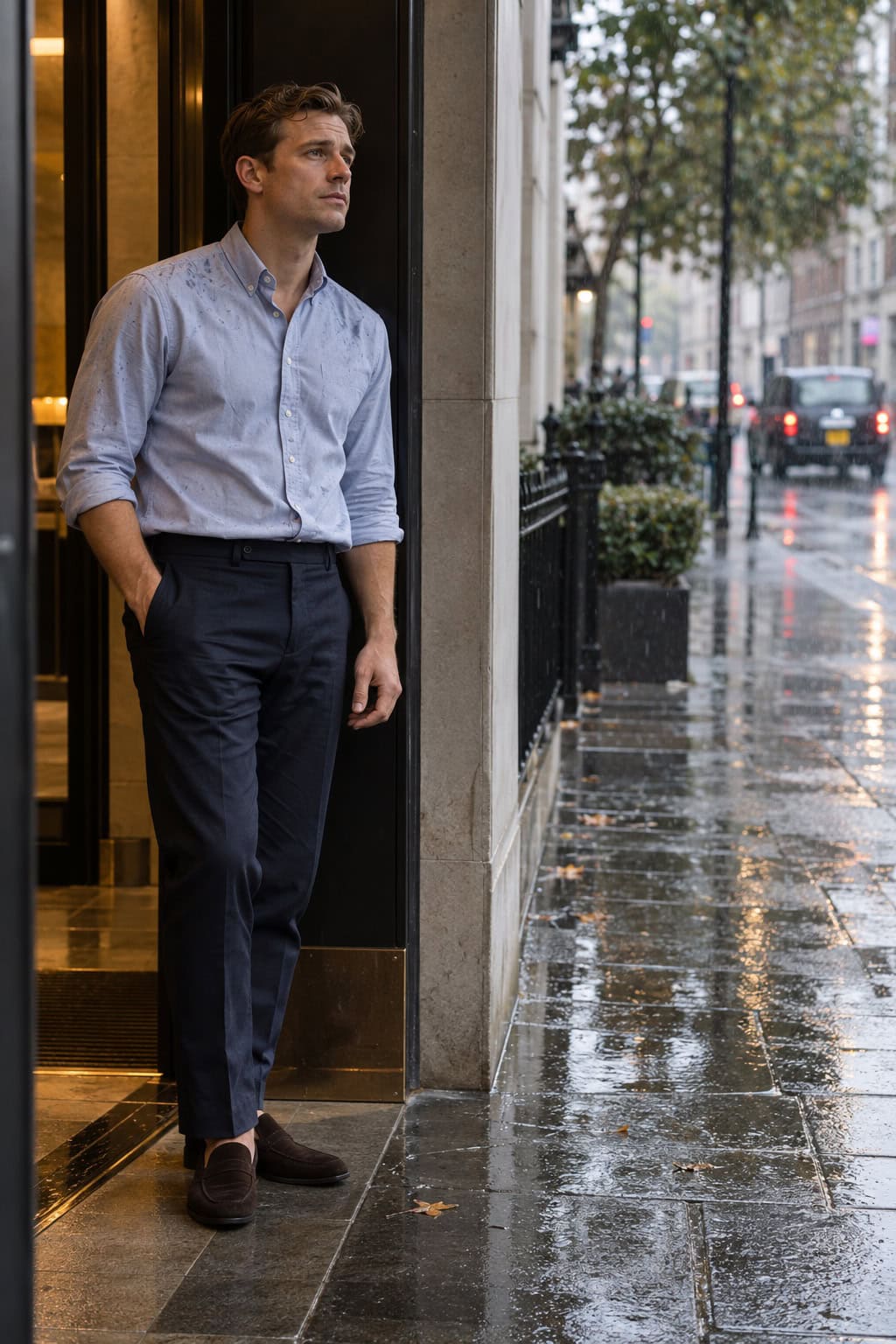
Few wardrobe mistakes are more avoidable than dressing for the weather you’d like. A bright morning tells you very little about the journey home, and the view from the bedroom window is no substitute for checking what’s coming. Autumn is particularly good at exposing this planning gap.
The fix: Check the hourly forecast before getting dressed, including the temperature, rain and wind during the times you’ll be outside. Build the outfit around those conditions. If showers are likely later, bring a packable waterproof or an umbrella.
It’s a small habit that saves a lot of damp journeys home.
Underutilising Texture

Autumn is when a wardrobe gets some of its most interesting fabrics back. Ignore them, and you miss an easy way to add depth to simple outfits. Smooth cotton and fine jersey are fine, but a wardrobe built around them leaves corduroy, brushed wool and substantial knitwear with little to do.
The fix: Introduce one or two contrasting textures. Cords beneath a wool overshirt, washed denim with a brushed knit, or a suede jacket over a fine merino jumper can make familiar combinations feel more considered.
Keep the colours fairly restrained while you experiment. You don’t need to wear the entire fabric department to make the point.
Misunderstanding “Waterproof” Jackets
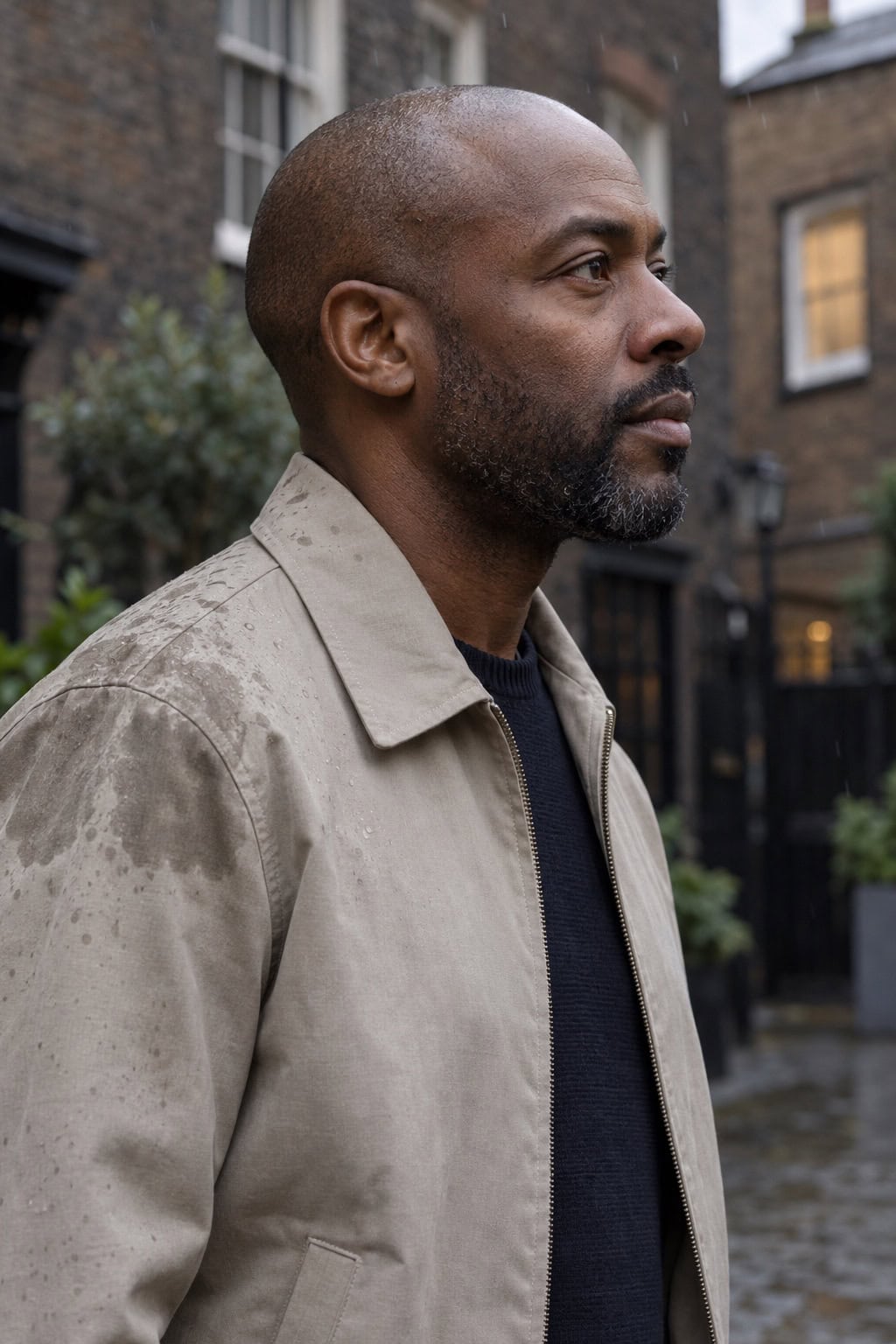
A jacket can look ready for rain without being much use in it. “Water-resistant”, “water-repellent”, and “waterproof” aren’t interchangeable promises, and a few droplets rolling off the surface don’t show how the garment will cope with a sustained downpour.
The fix: Match the protection to the conditions. A water-resistant jacket may be enough for a brief shower, but prolonged rain calls for waterproof construction, including sealed seams and protected openings. A waterproof, breathable membrane such as GORE-TEX is one option; check the jacket’s overall specifications rather than relying on the fabric name alone.
A water-repellent finish helps the outer fabric shed droplets, but it doesn’t make a membrane jacket waterproof. That finish can also wear off, so follow the manufacturer’s care instructions. A wet outer surface doesn’t necessarily mean the jacket is leaking, but it can make it feel cold and clammy.