The 10 Most Underrated Spirits You Should Be Drinking
The world is full of great spirits. The big names dominate sales and our drinks cabinets – think brandy, rum, vodka, gin and whisky. But scratch beneath the surface and there is a wealth of deliciousness waiting to be discovered.
Many of these spirits are deeply regional, with rich histories and traditions that stretch back centuries. Increasingly, though, they are breaking out of their home markets and introducing a wider audience to new flavours and drinking experiences.
From French apple brandy and Brazilian sugar cane spirit to the ancestor of modern gin, here are 10 underrated spirits worth exploring.
Absinthe
-
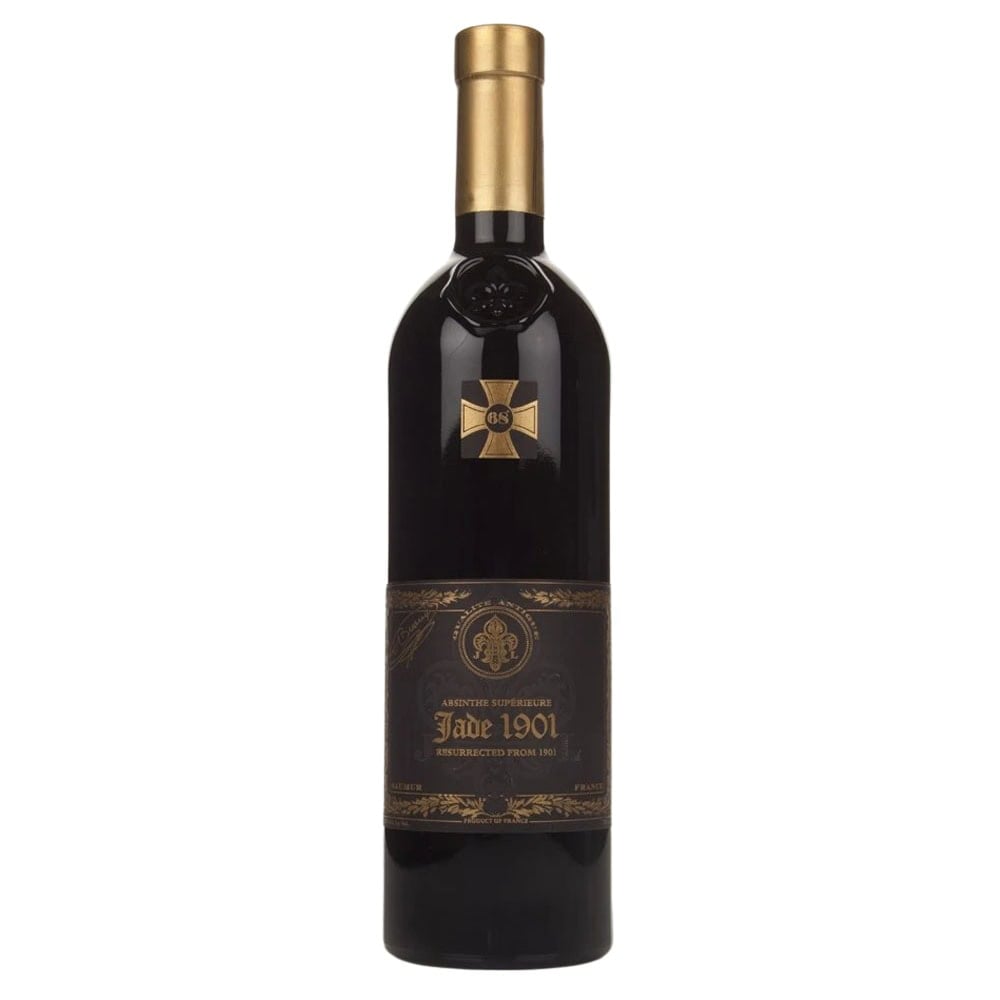
- Jade 1901 Absinthe 70cl
-
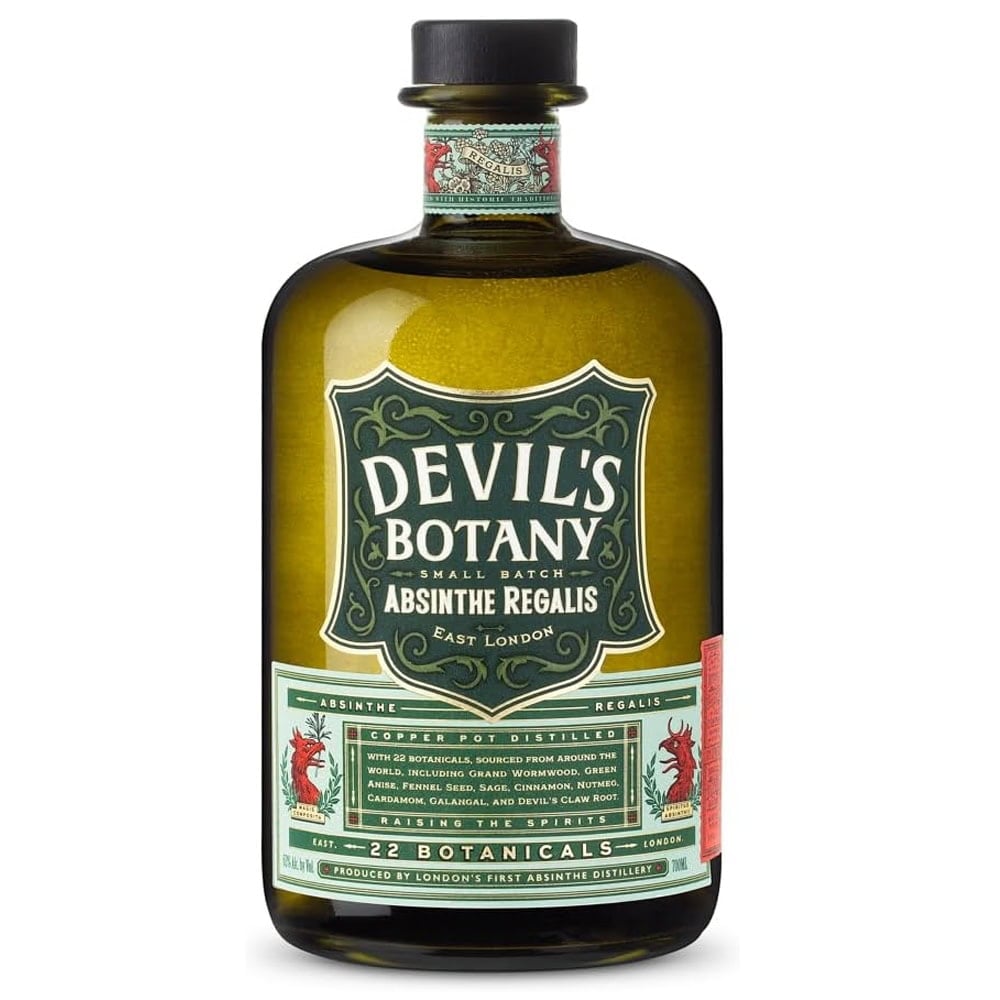
- Devil’s Botany Absinthe Regalis
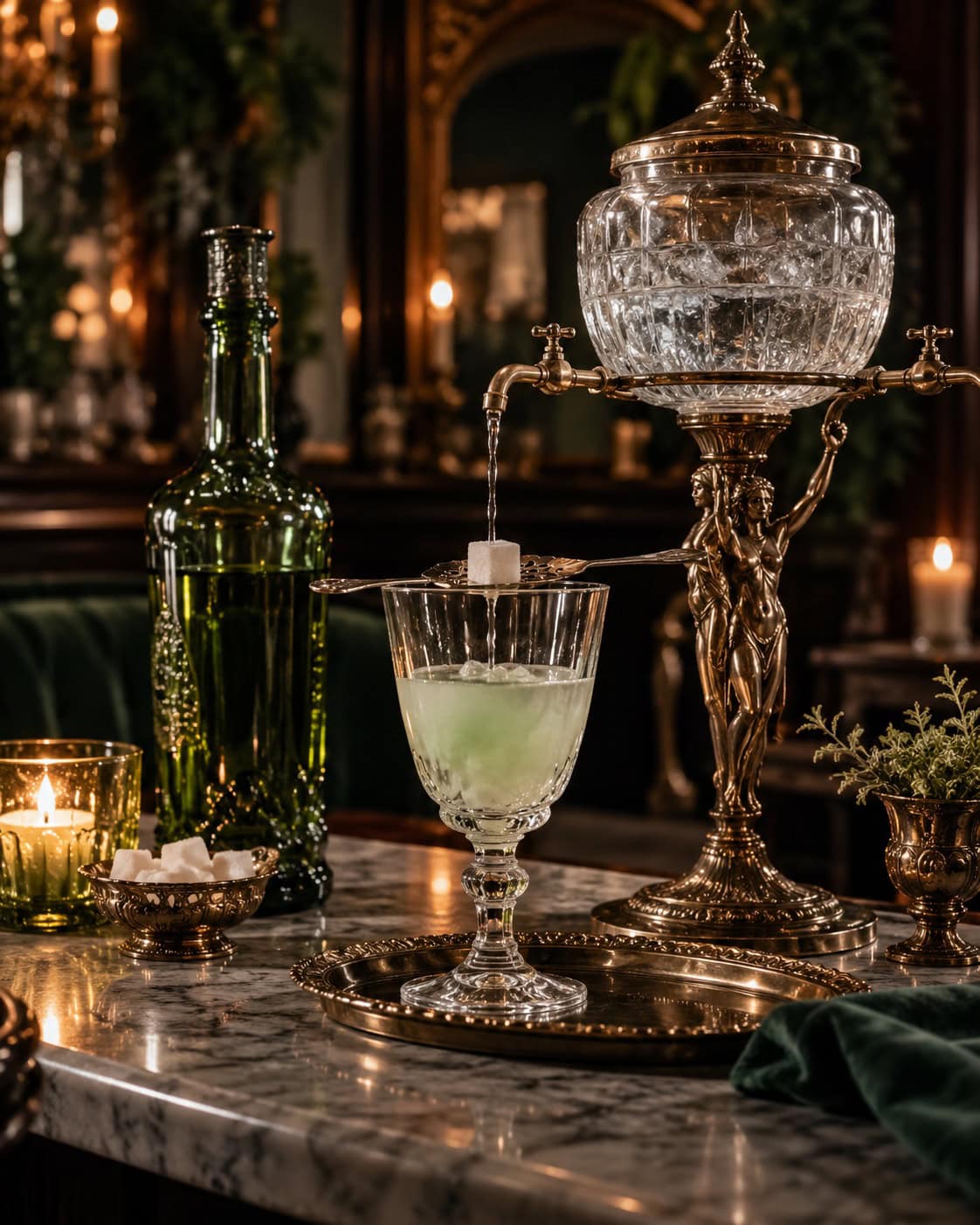
This vibrant green spirit has an air of notoriety about it. Absinthe is made using a collection of herbs and botanicals, most notably wormwood, anise and fennel. It originated in Switzerland before becoming enormously popular in 19th-century France, where it developed an infamous reputation.
Its high alcohol content and supposed hallucinogenic qualities eventually contributed to bans in several countries. Modern research has largely debunked the latter, with the effects once blamed on wormwood more likely the result of very high alcohol consumption and, in some cases, poor-quality production.
Absinthe’s modern renaissance has seen a new generation of drinkers discover it. Traditionally, it is diluted slowly with ice-cold water, which turns the liquid cloudy, or used sparingly in cocktails such as the Sazerac. One to approach with respect, but certainly not fear.
Aquavit
-
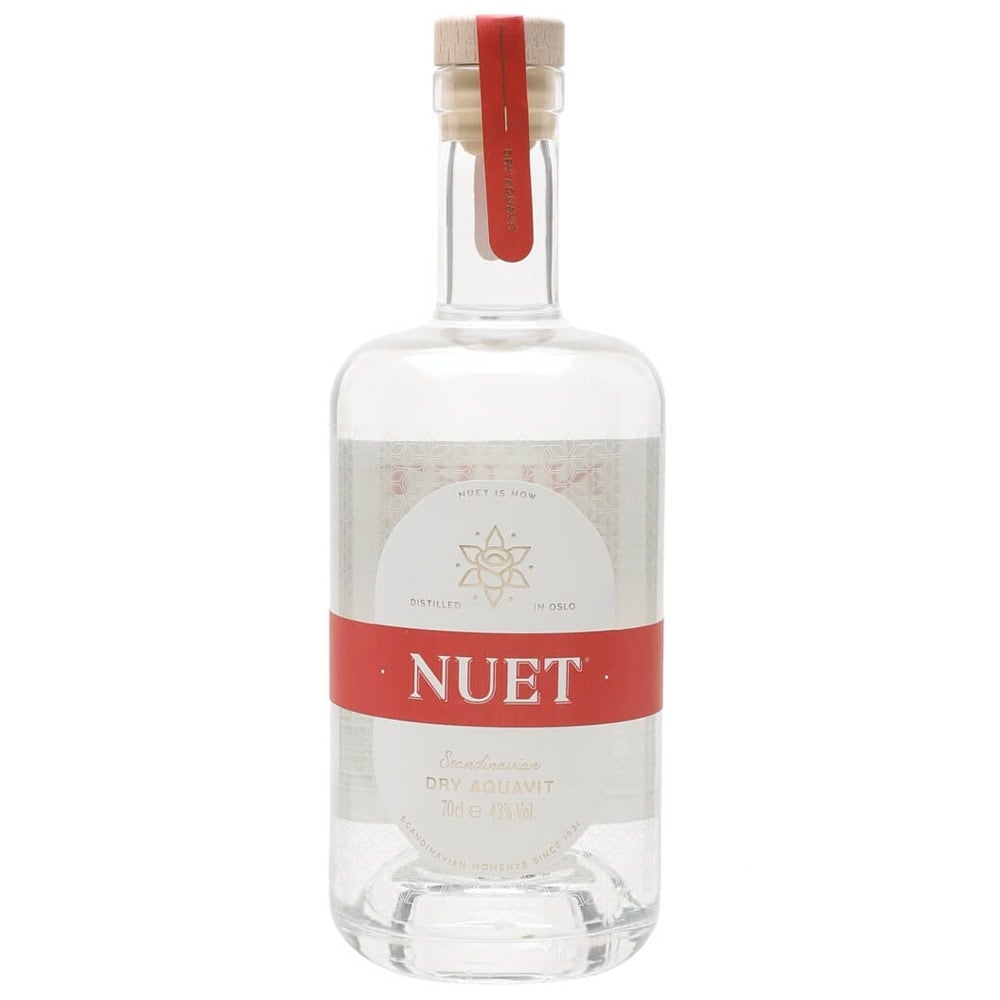
- Nuet Dry Aquavit
-
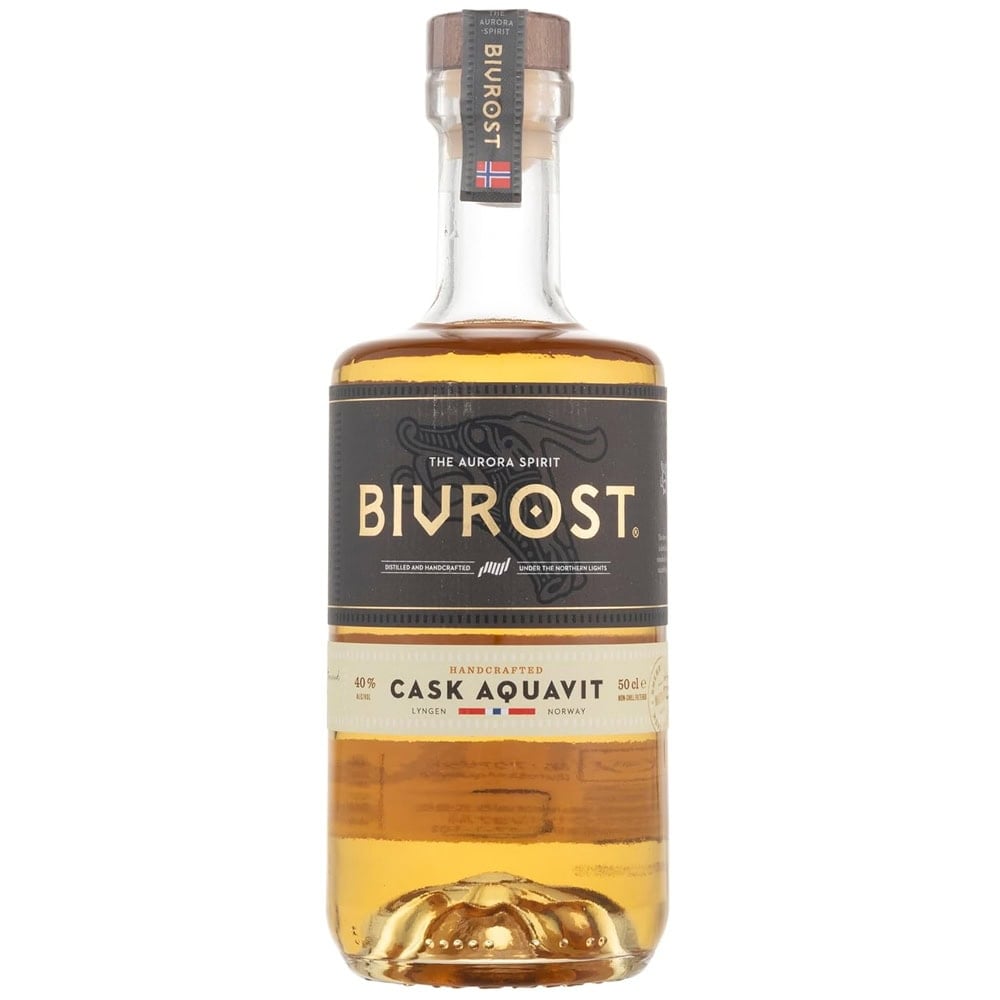
- Bivrost Cask Aquavit
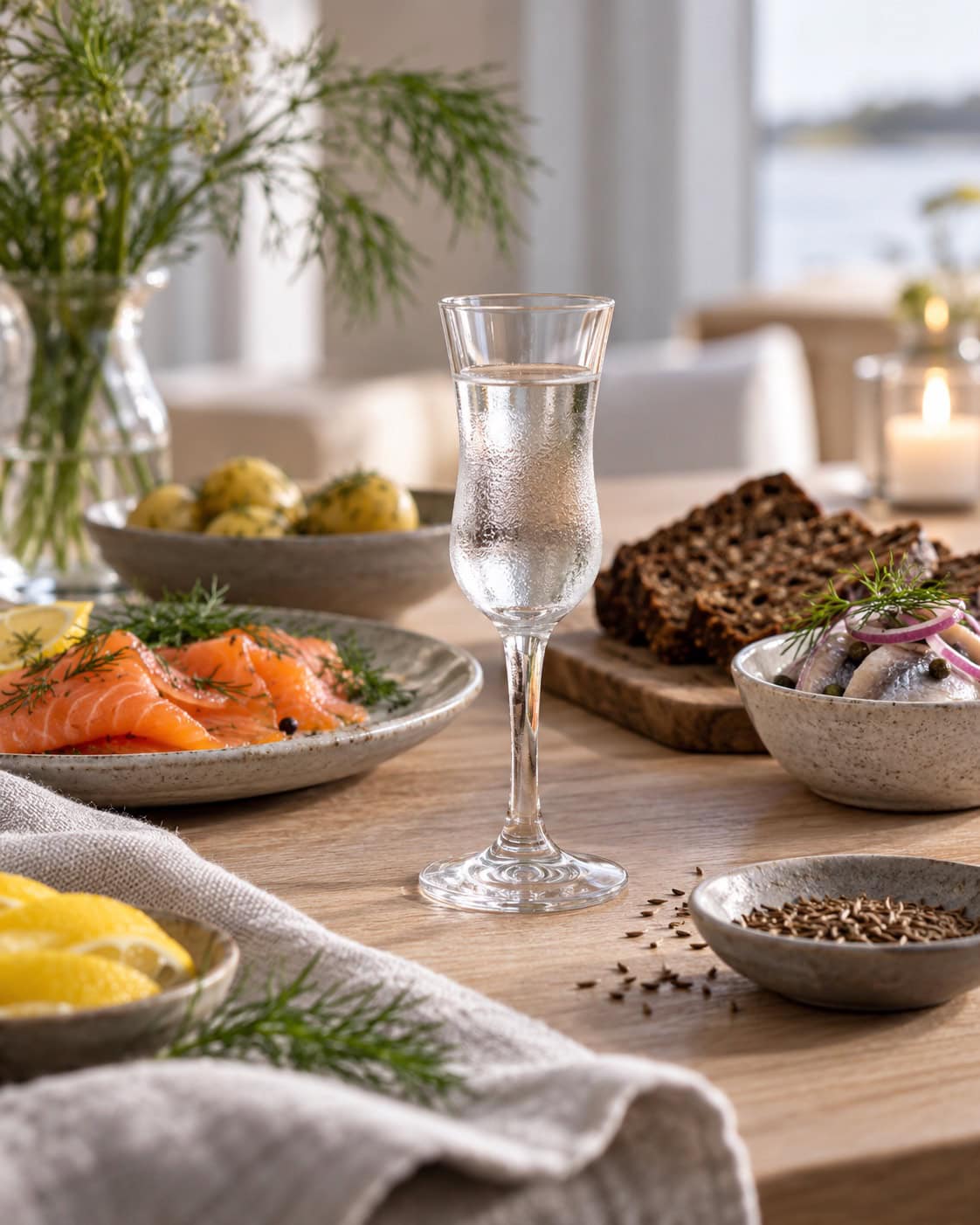
This traditional Scandinavian spirit is generally made from a grain or potato-based alcohol and flavoured predominantly with caraway, dill or both. Other botanicals such as cardamom, citrus peel and fennel are also commonly used.
The name comes from the Latin aqua vitae, which translates as ‘water of life’. Its origins are rooted in medicinal practices, but it has since become an important part of Nordic drinking culture.
Often served well chilled at celebrations and alongside food, aquavit is increasingly appearing on the radar of creative bartenders, who are putting its distinctive savoury and herbal characteristics to work in cocktails. Time to break your aquavit duck?
Armagnac
-
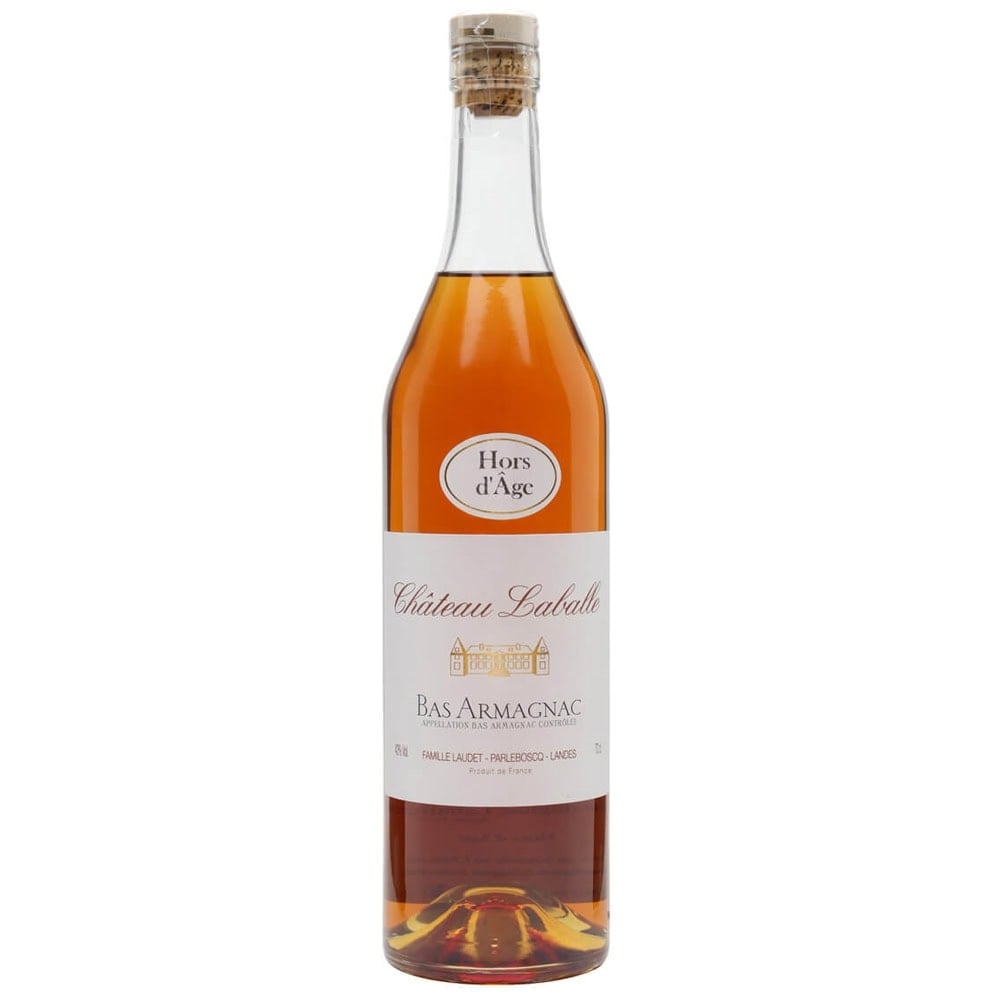
- Laballe Bas Armagnac Hors d’Age 10 Year Old
-
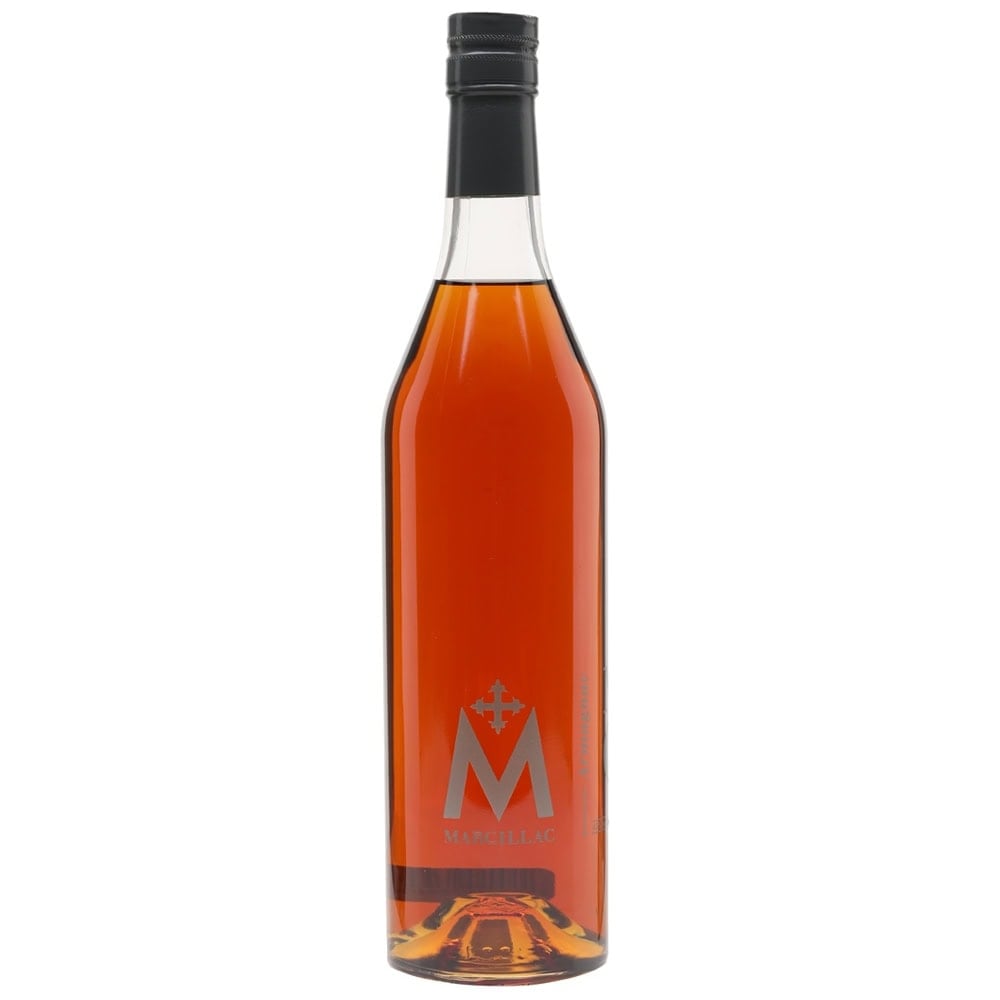
- Marcillac Hors d’Age #2 Armagnac
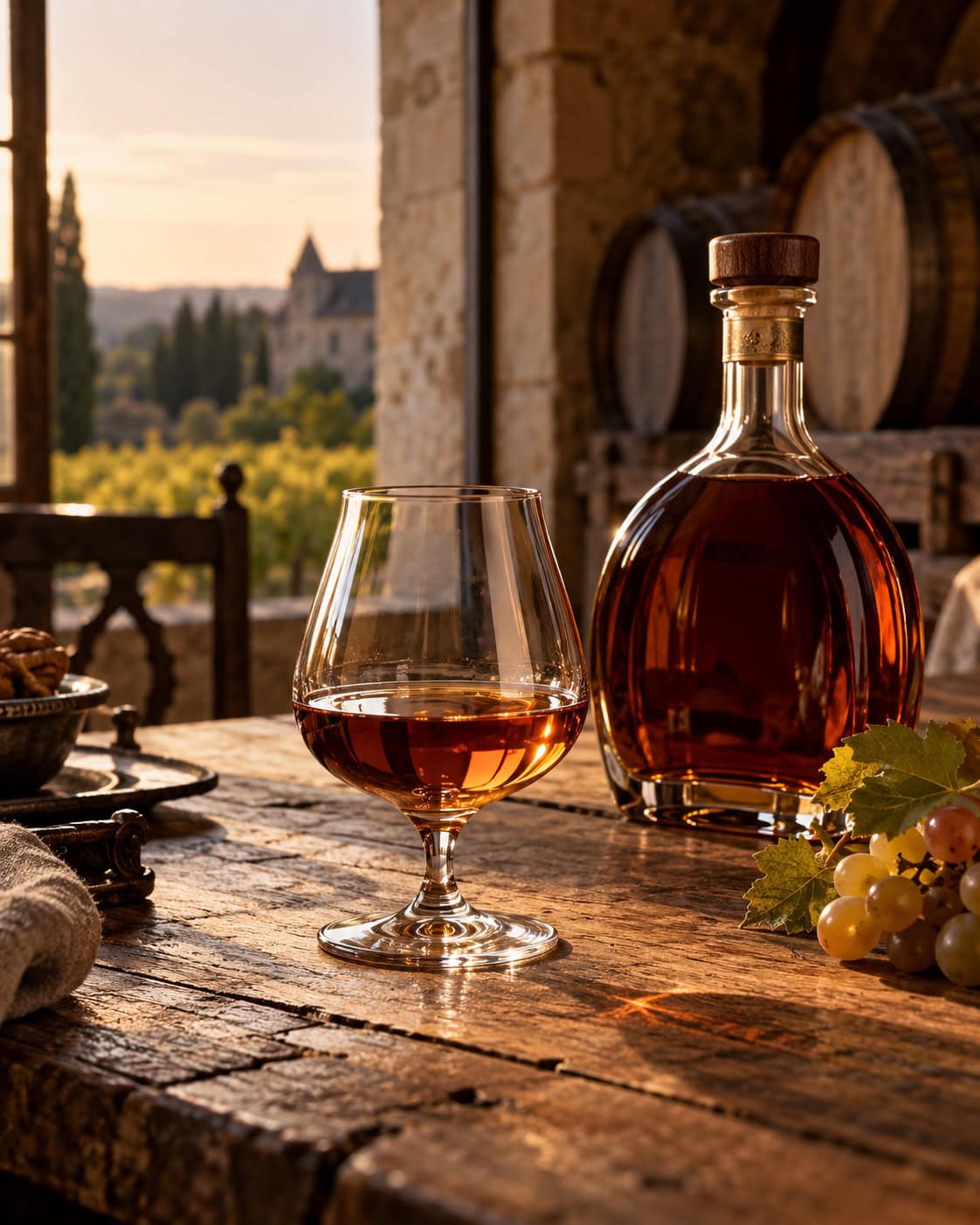
While most drinkers are familiar with grape brandy from Cognac, fewer know about its older and often more characterful neighbour. Produced in Gascony in southwest France, Armagnac is regarded as the country’s oldest eau-de-vie, with written evidence of its use dating back to 1310.
Today, production is divided between three areas: Bas-Armagnac, Armagnac-Ténarèze and Haut-Armagnac. A number of grape varieties are permitted and, unlike Cognac, much Armagnac is traditionally distilled just once in a continuous Armagnac still.
Production remains relatively small and artisanal, with everything from vibrant young eaux-de-vie to beautifully complex, decades-old bottles available. For anyone who enjoys Cognac, this is an obvious rabbit hole to disappear down.
Cachaça
-
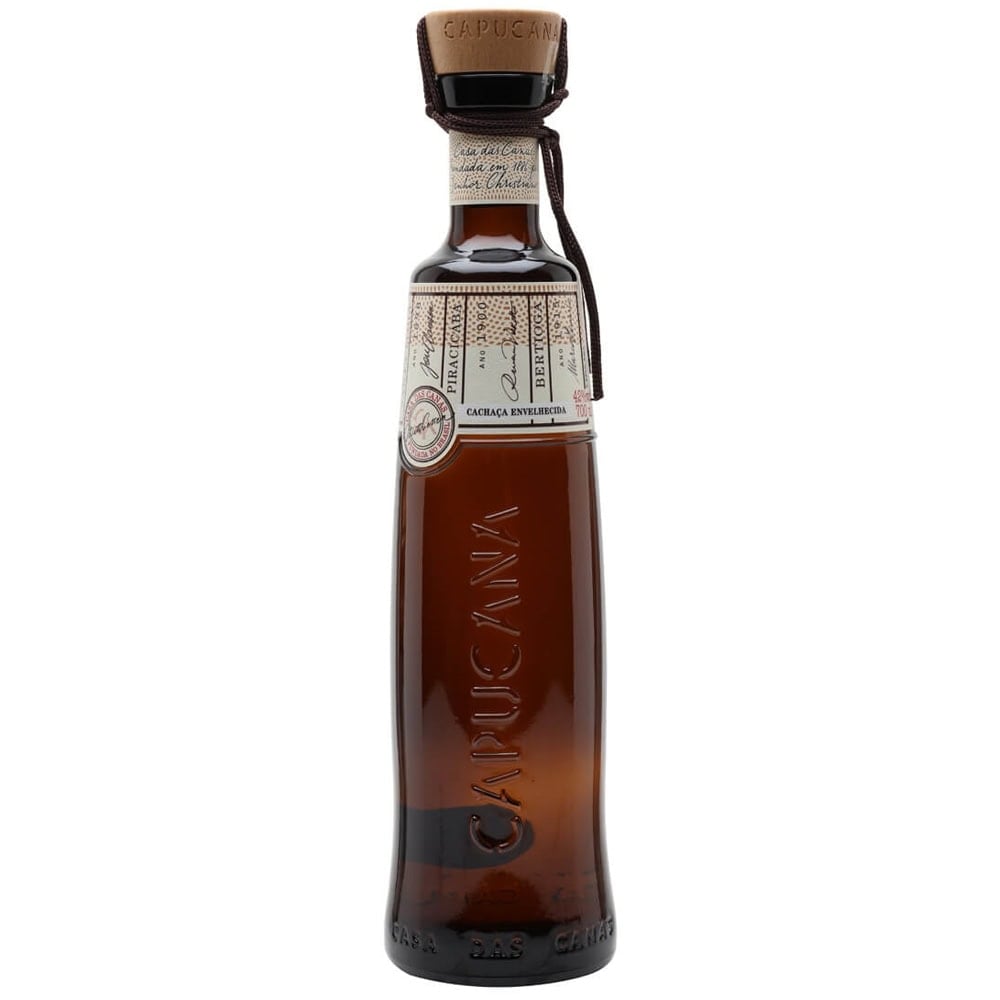
- CapuCana Cachaça
-
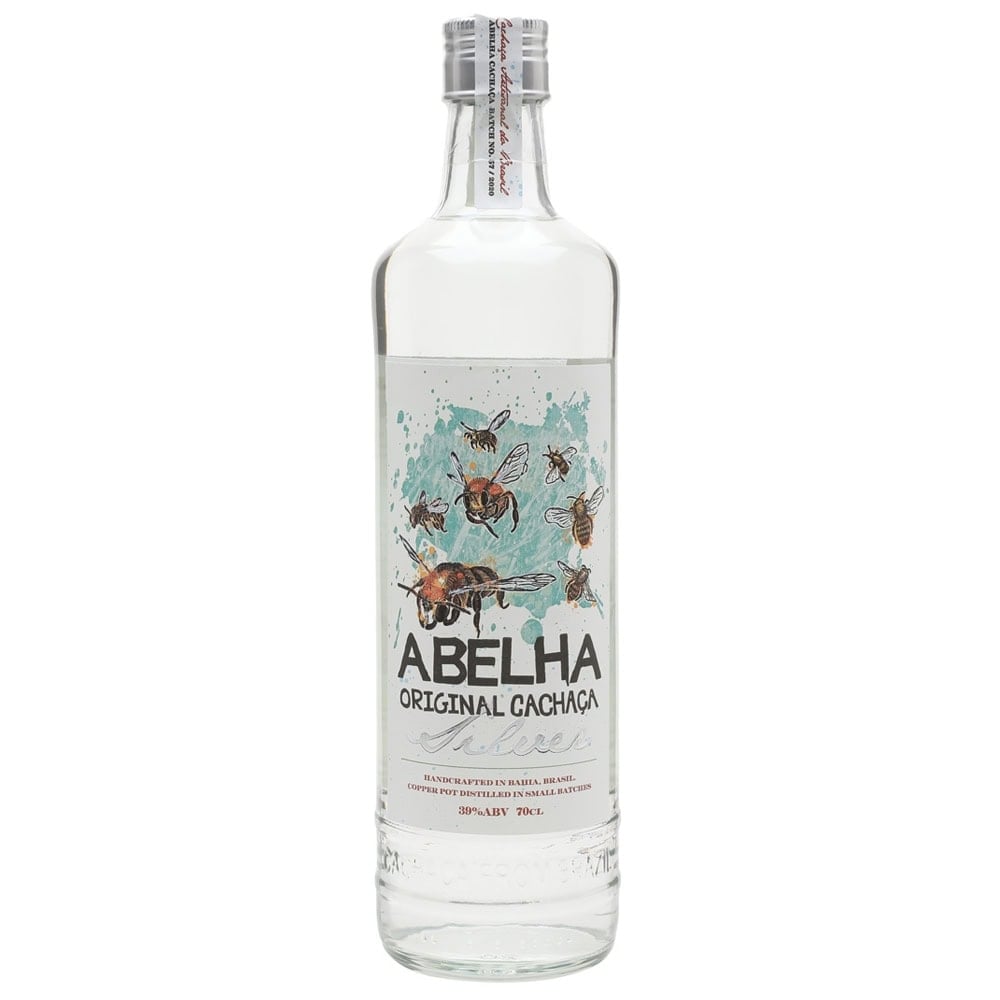
- Abelha Silver Organic Cachaça
This Brazilian sugar cane spirit is sometimes lazily described as ‘Brazilian rum’, but it deserves to be treated as a category in its own right. Cachaça has been produced in Brazil for centuries and today forms a huge part of the country’s drinking culture.
Unlike most traditional rum, which is made using molasses, cachaça is distilled from fermented fresh sugar cane juice. The result can be bright, zesty, vegetal and distinctly grassy, although ageing in wood can add another layer of complexity.
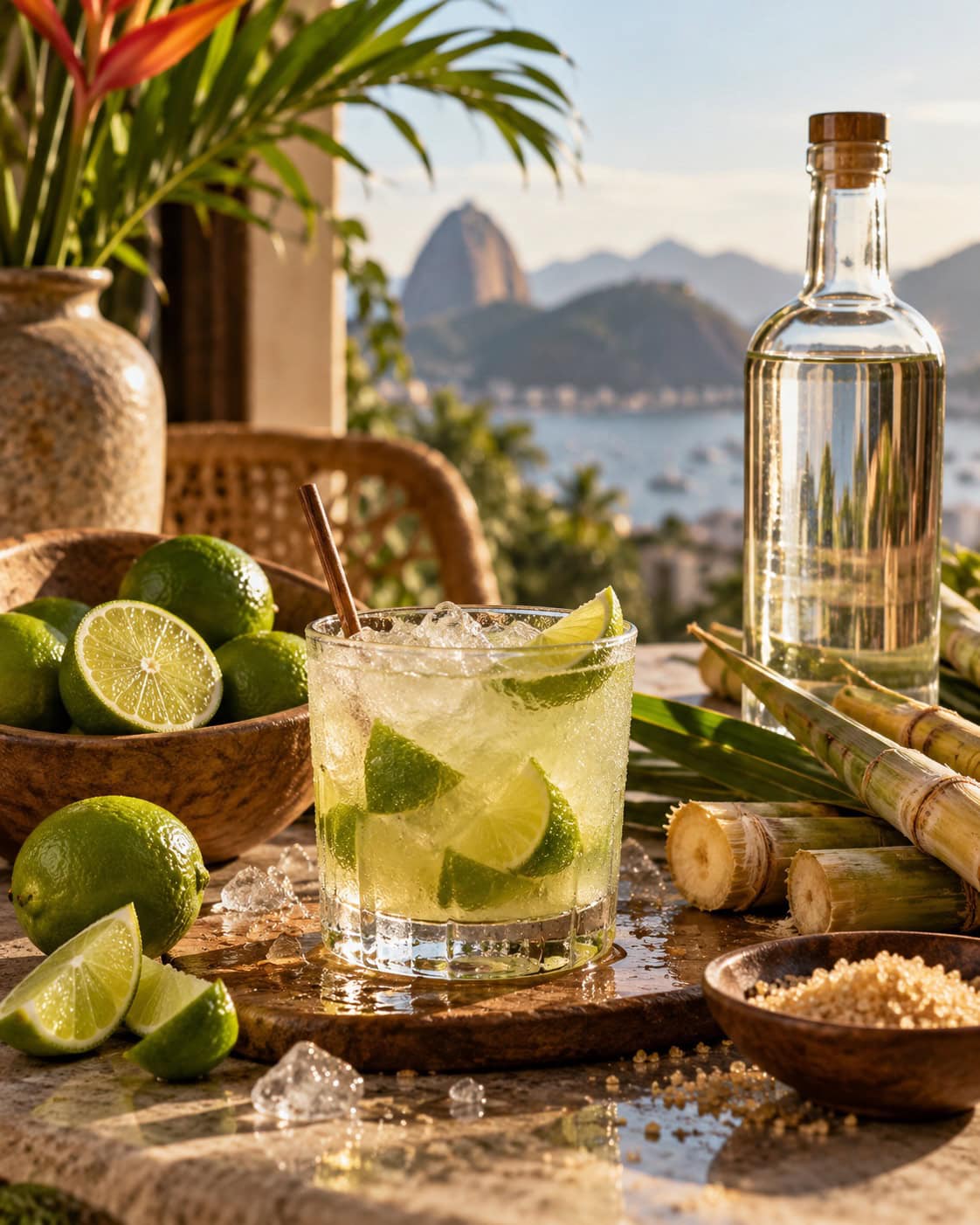
Cachaça is often enjoyed neat in Brazil, but internationally it is best known as the base spirit for the Caipirinha. Fresh lime, sugar, ice and cachaça. Few cocktails do more with less.
Calvados
-
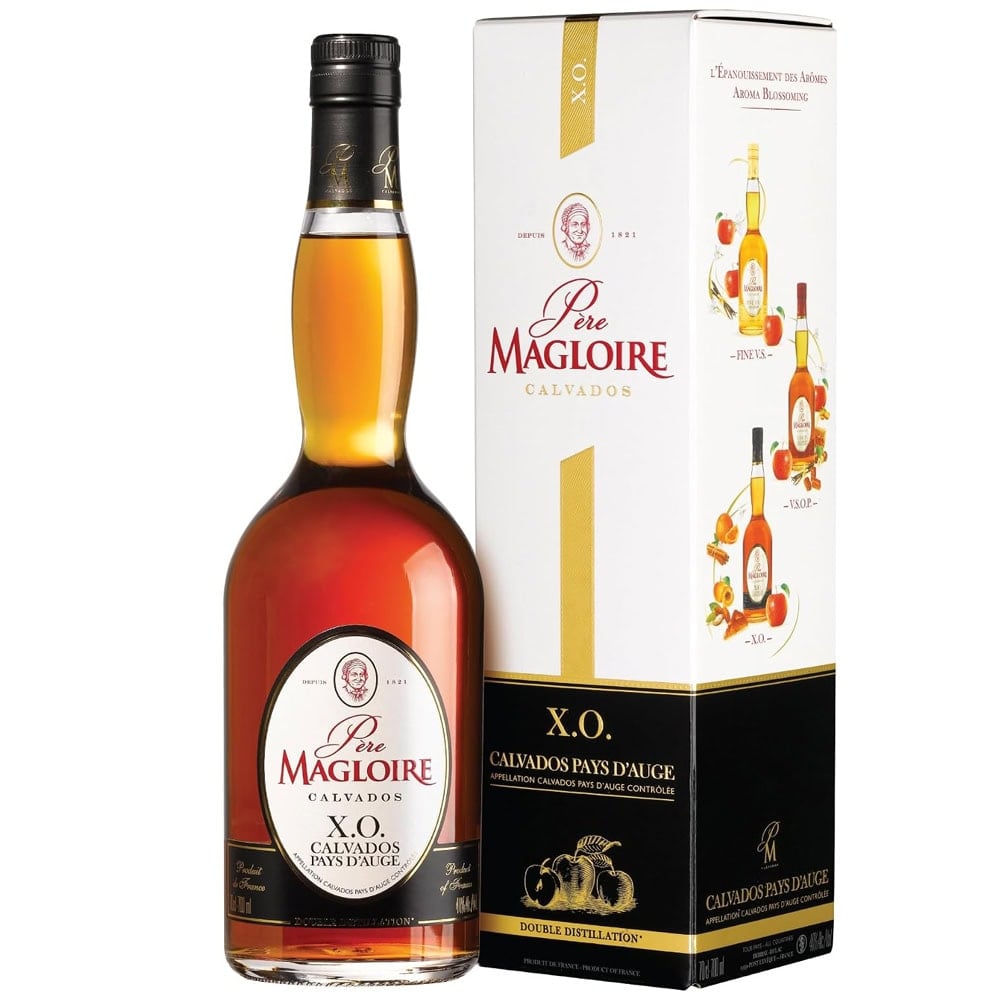
- Père Magloire Calvados XO
-
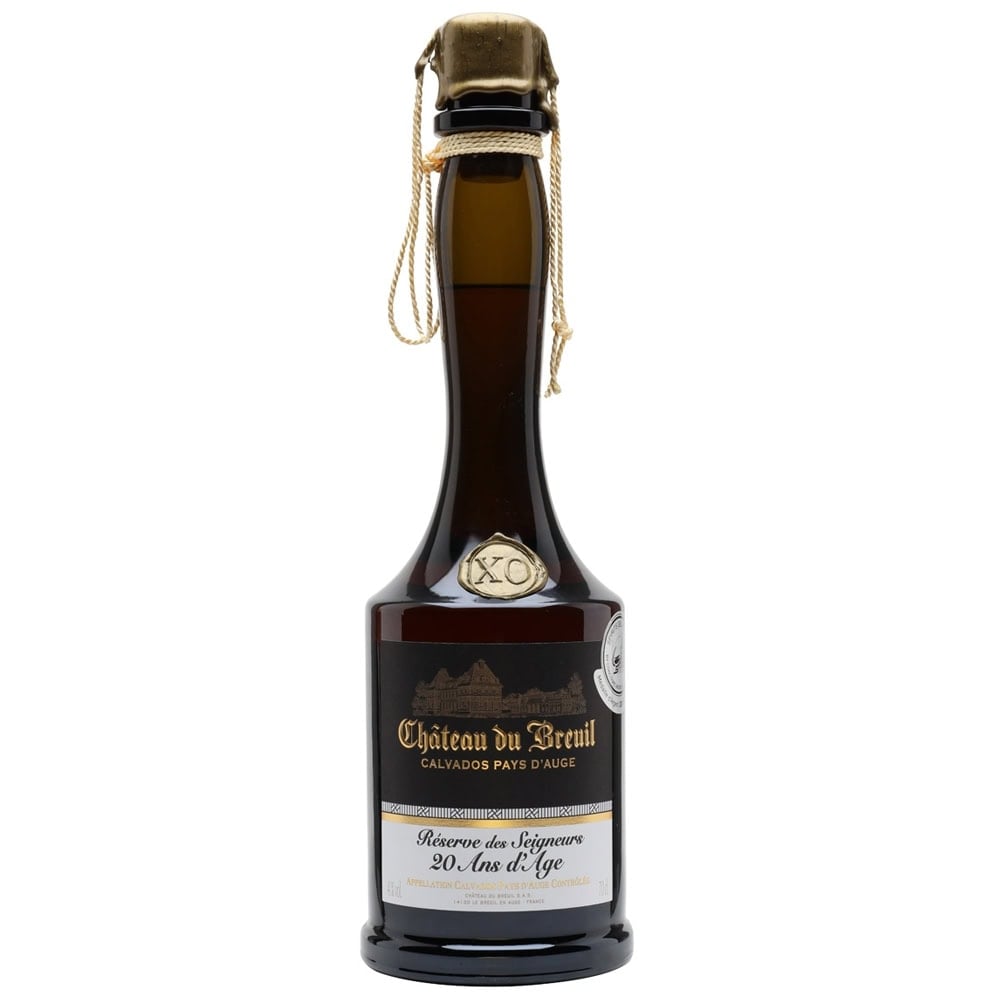
- Château du Breuil Réserve des Seigneurs XO
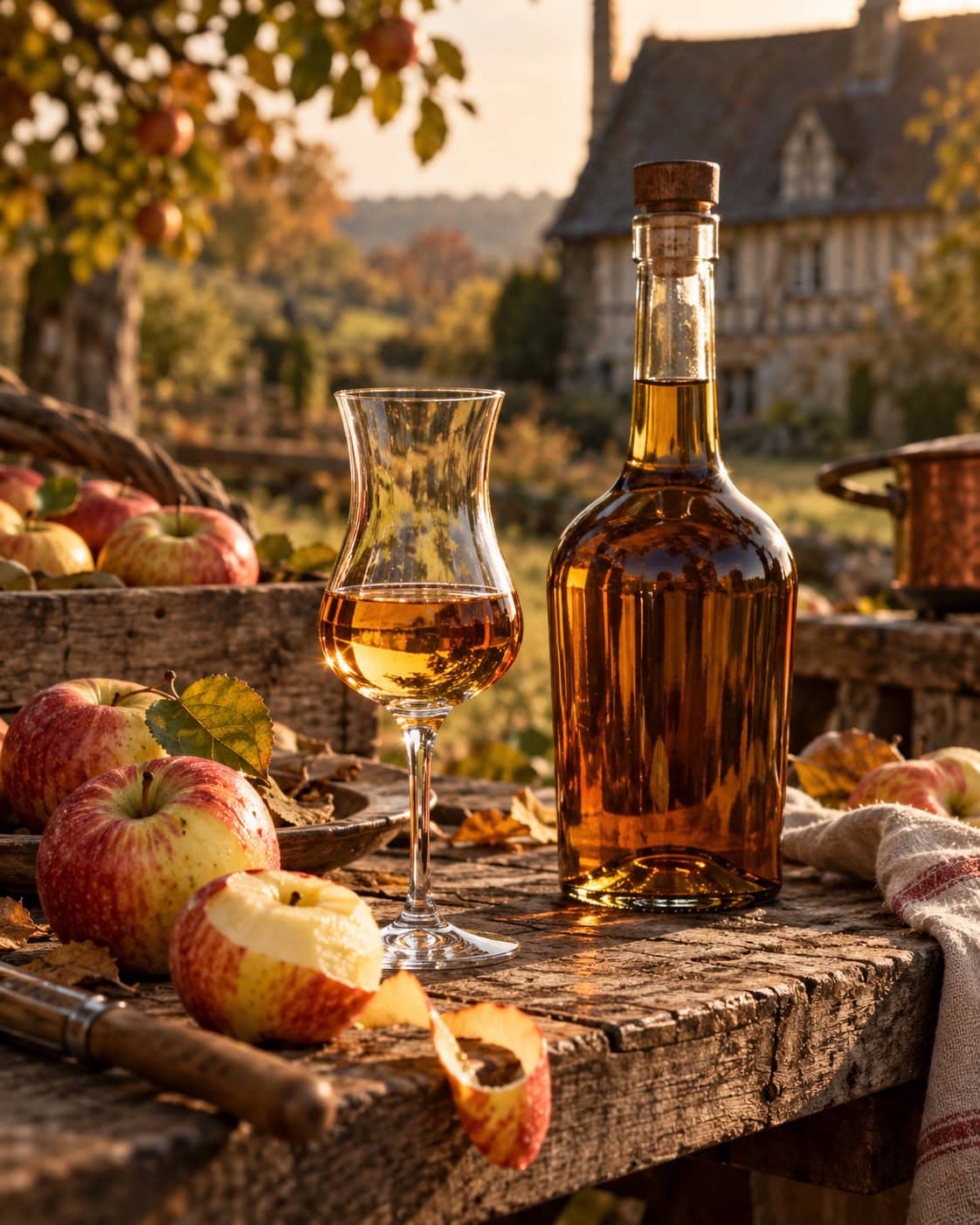
Like Armagnac, Calvados is another French regional spirit that deserves far more attention than it gets. This apple brandy must be produced in Normandy in northern France and grew from the region’s long-established cider-making tradition.
Records of cider distillation in Normandy stretch back to the 16th century, and Calvados enjoyed a surge in popularity during the late 19th century when the phylloxera epidemic devastated vineyards and disrupted the production of grape-based brandies.
Styles vary enormously depending on age and production method, from fresh and appley to rich, spicy and deeply concentrated. A good bottle is well worth investing in. Perfectly autumnal.
Genever
-
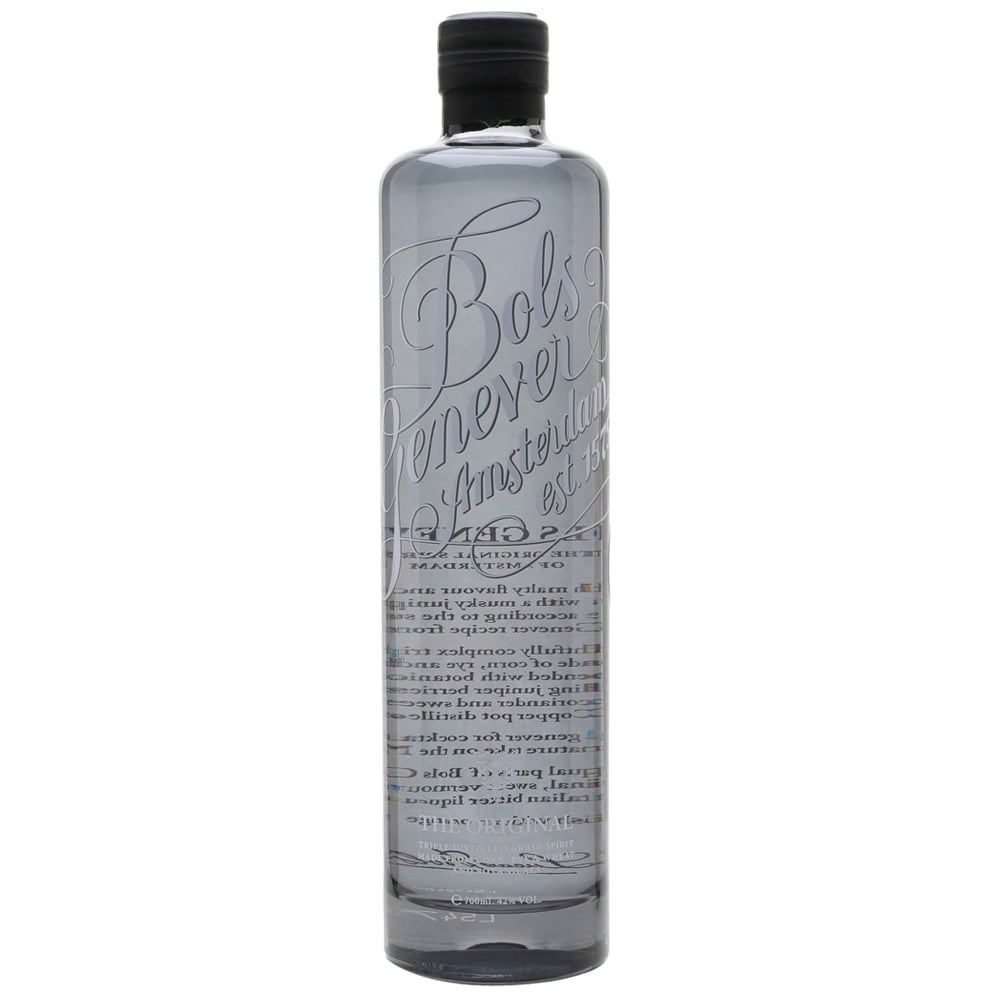
- Bols Genever 42%
-
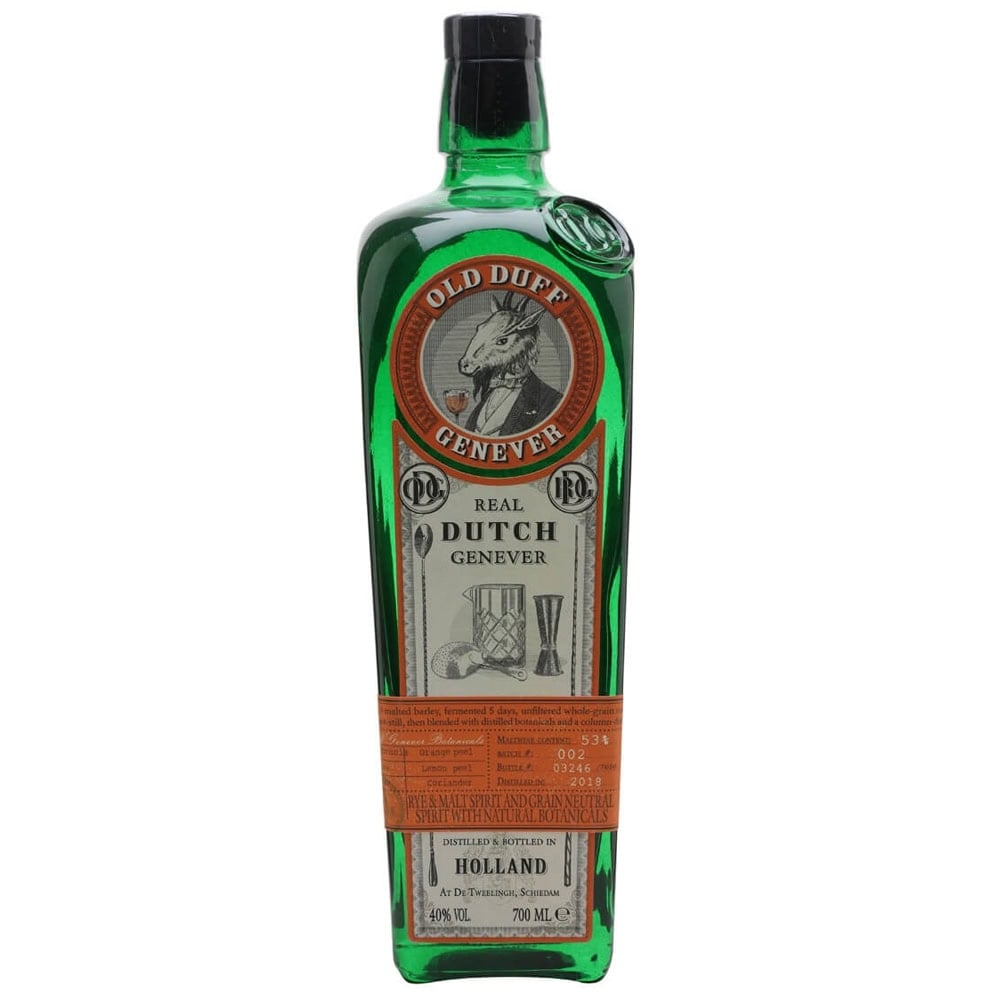
- Old Duff Genever
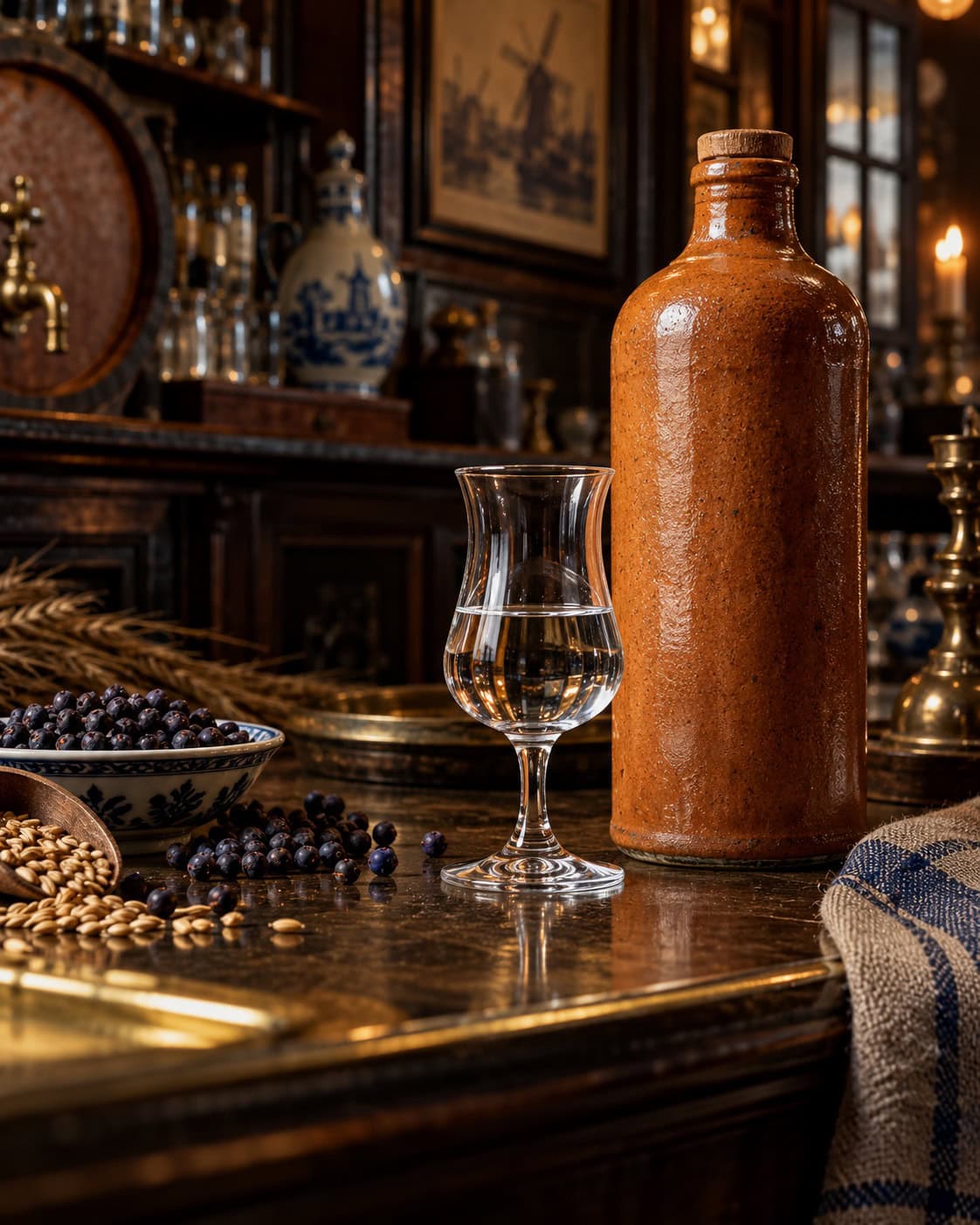
This bold, expressive Dutch and Belgian spirit is one of the ancestors of modern-day gin. Genever developed in the Low Countries from grain-based spirits flavoured with juniper and other botanicals, before gradually making its way across to Britain and influencing the evolution of gin.
The name derives from jeneverbes, the Dutch word for juniper. Genever is also frequently linked to the phrase ‘Dutch courage’, supposedly coined after English soldiers observed their Dutch counterparts drinking the spirit before battle. Whether the story is entirely accurate or not, it has stuck.
Don’t expect a standard London Dry. Traditional genever can have a pronounced malty quality from its grain base, alongside juniper and herbal notes. Richer, rounder and more complex than many gins, it is a fascinating category in its own right.
Ginjinha
-
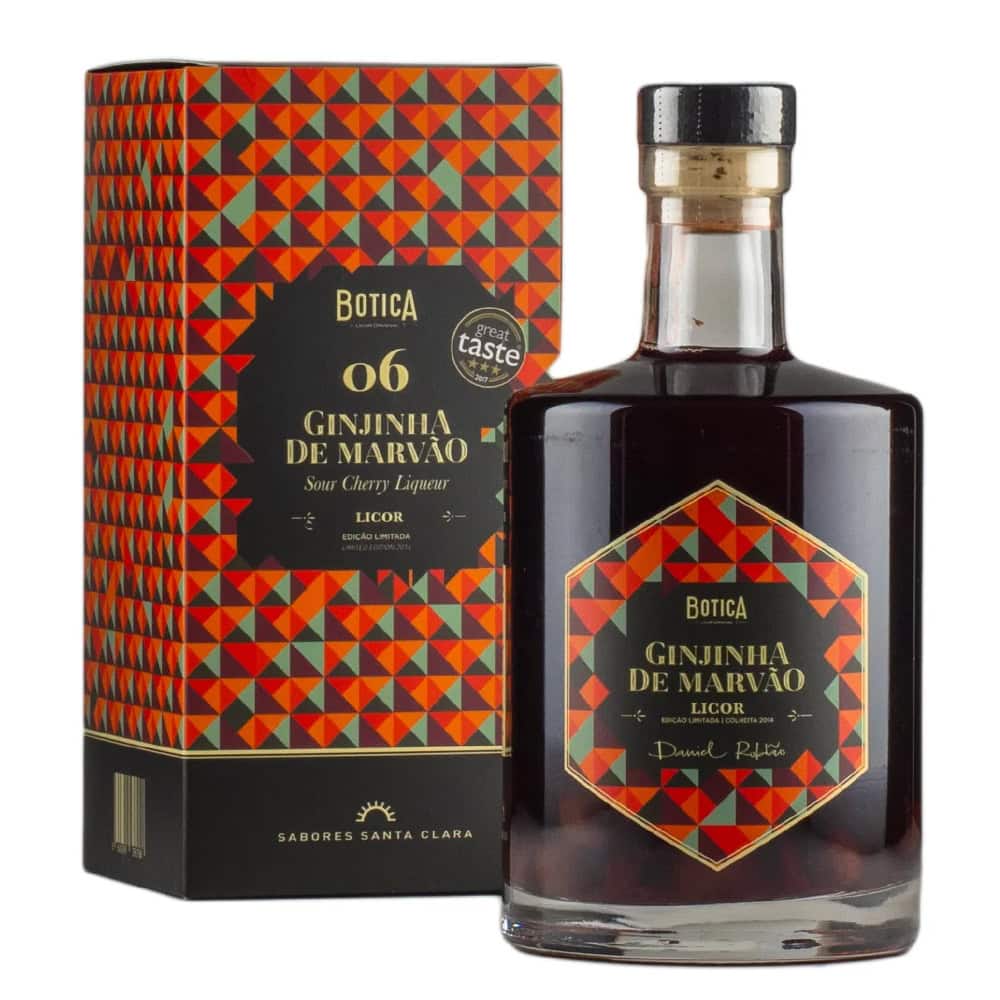
- Botica Ginjinha de Marvão
-
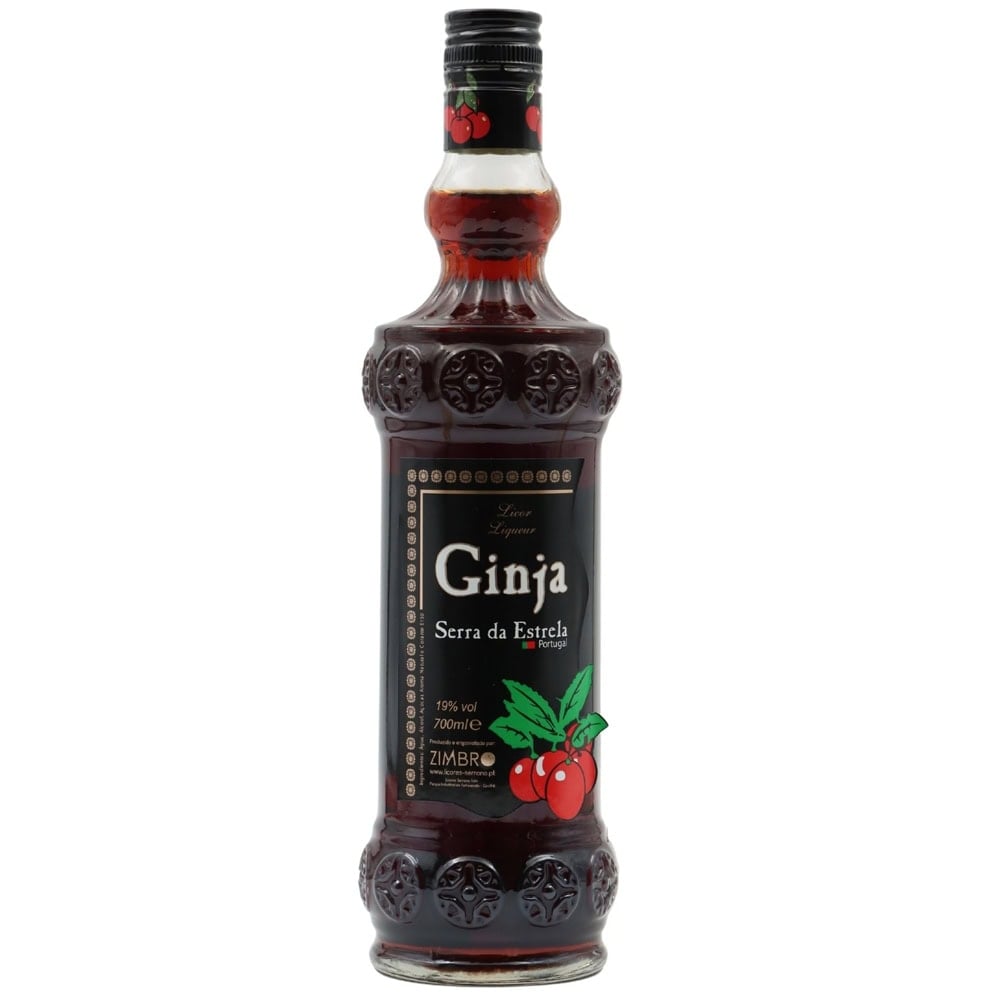
- Serra da Estrela Ginja
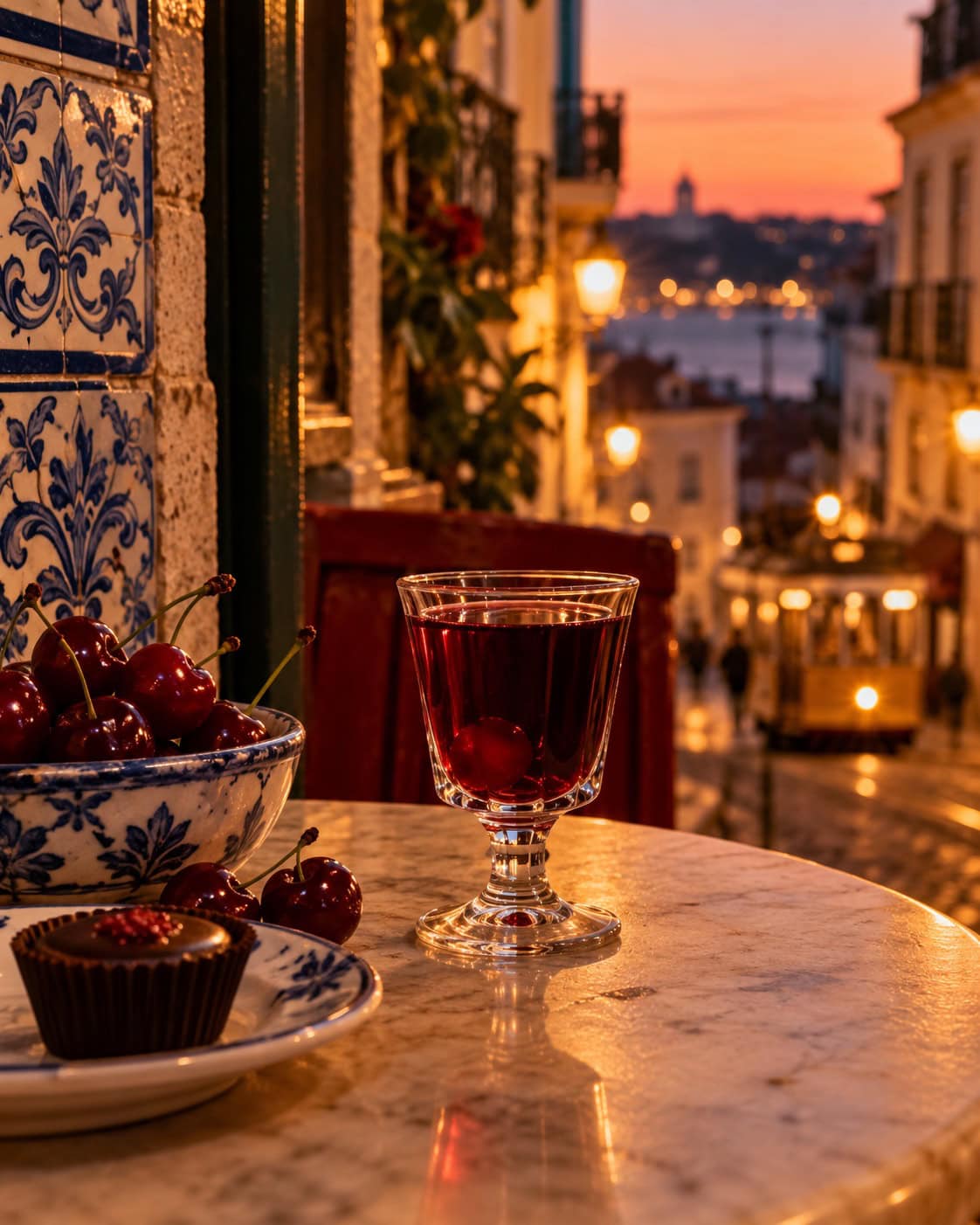
This sweet, potent Portuguese liqueur is made by infusing sour Morello cherries, known locally as ginja, in alcohol along with sugar and often warming spices such as cinnamon and clove.
Generally sitting at around 18-24% ABV, it occupies similar territory to fortified wines in terms of alcoholic strength. Ginjinha is enjoyed throughout Portugal but is particularly associated with Lisbon, where tiny bars and hole-in-the-wall counters specialise in serving little glasses of the stuff.
Ask for com elas if you want booze-soaked cherries dropped into your glass too. You may even encounter it served in a small chocolate cup, which is eaten once the ginjinha is gone. Frankly, more drinks should come with an edible glass.
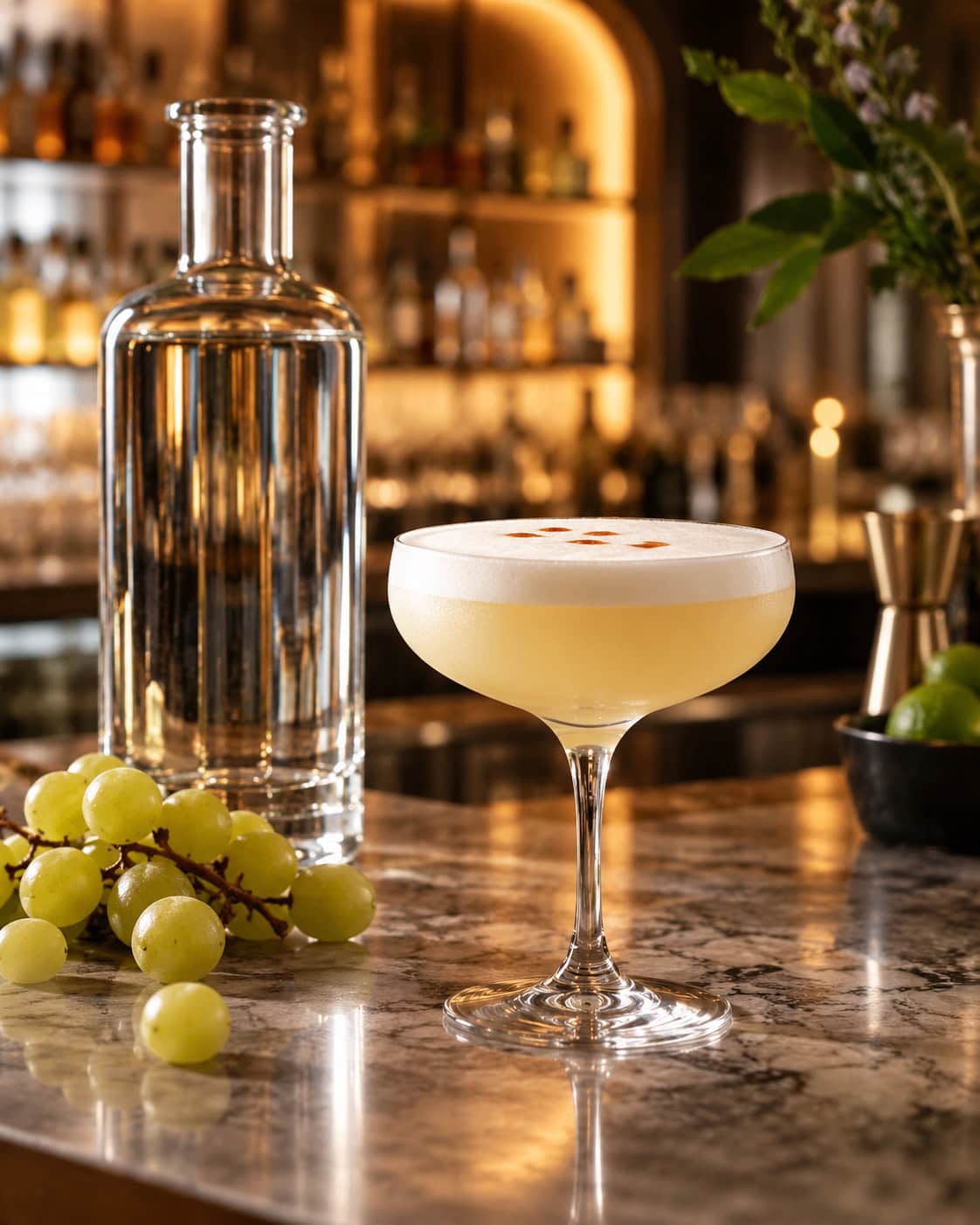
Pisco
-
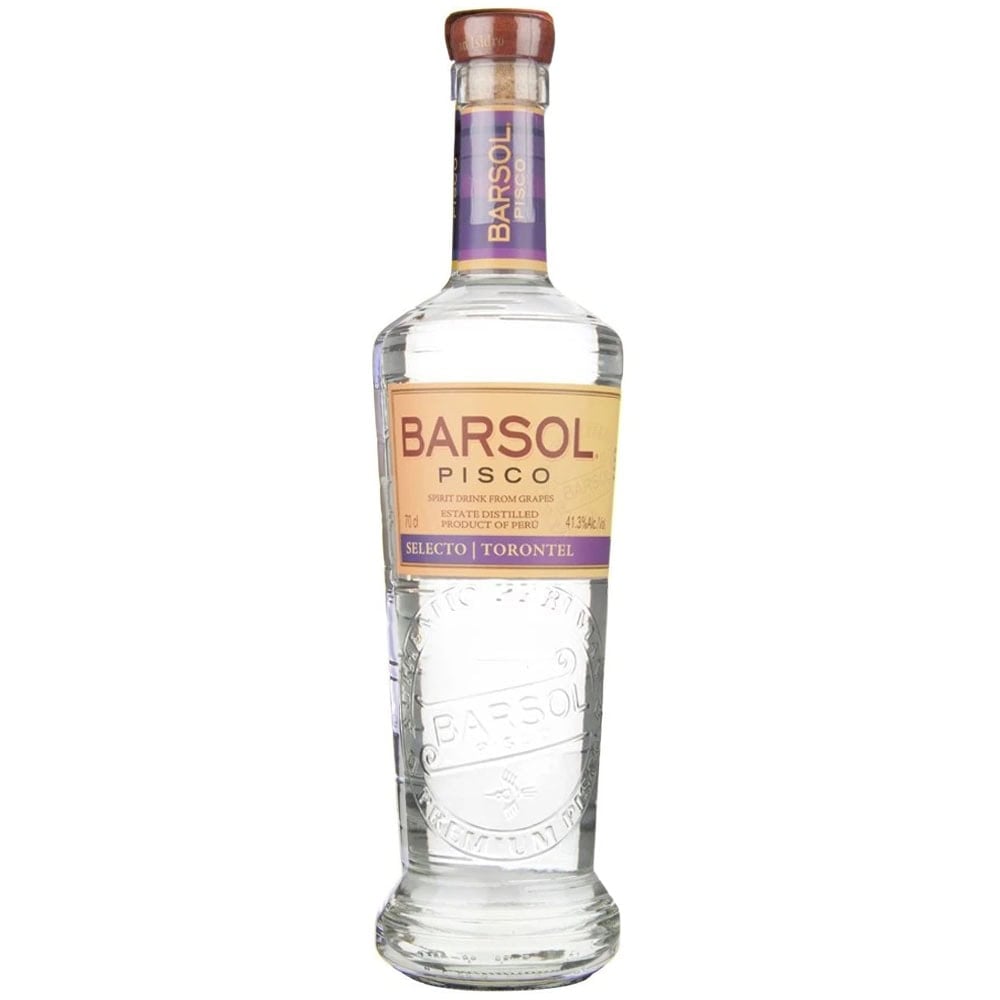
- Barsol Selecto Torontel Pisco
-
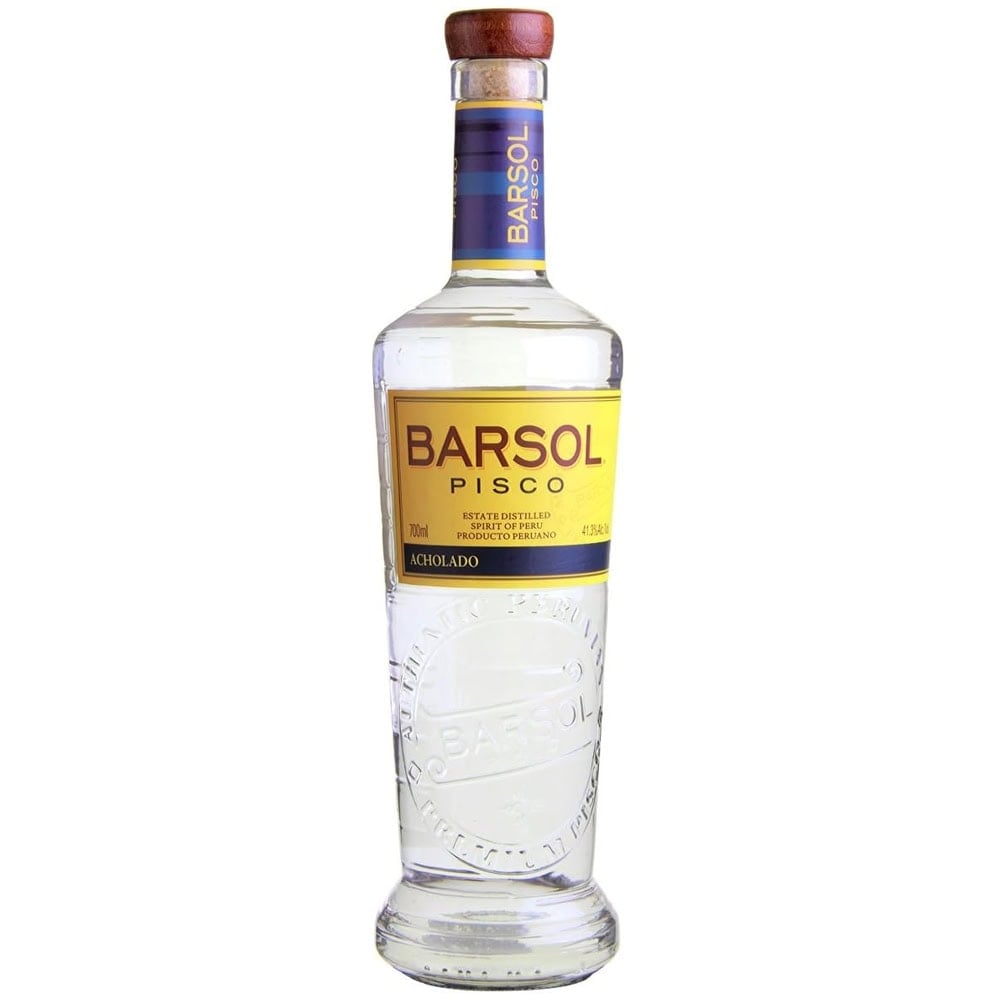
- Barsol Selecto Acholado Pisco
Pisco is one of South America’s great grape spirits and an important part of drinking culture in both Peru and Chile. Both countries produce their own distinctive styles and both have long-standing claims to the spirit’s heritage.
At its heart, pisco is a brandy produced by fermenting and distilling grapes, but production rules vary considerably depending on which side of the border you are on. The result can range from clean and delicate to intensely aromatic and floral.
Bartenders have embraced pisco because of that versatility, but its most famous appearance remains the Pisco Sour. Generally credited to American bartender Victor Morris in Lima in the early 20th century, it combines pisco, citrus, sugar and egg white in a South American take on the classic sour. If you’ve never tried pisco, start there.
Rakı
-
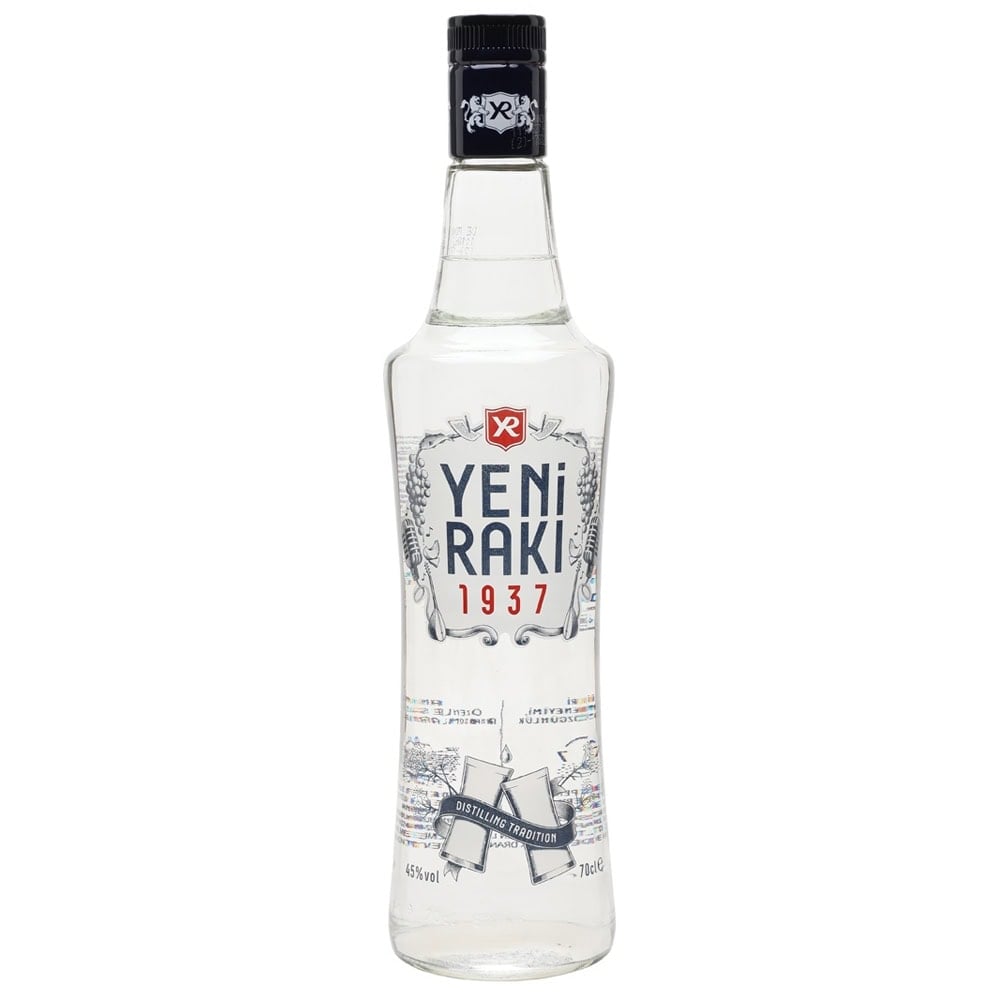
- Yeni Rakı
-
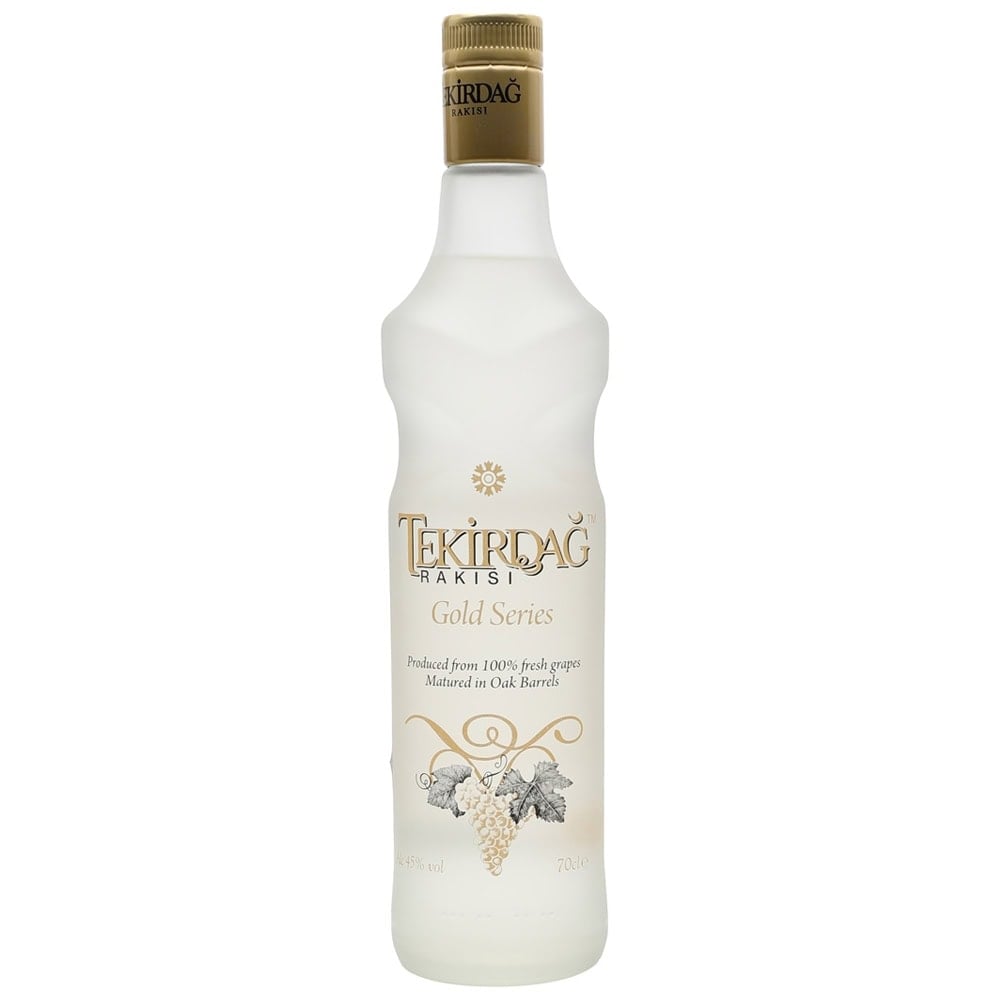
- Tekirdağ Gold Series Aged Rakı
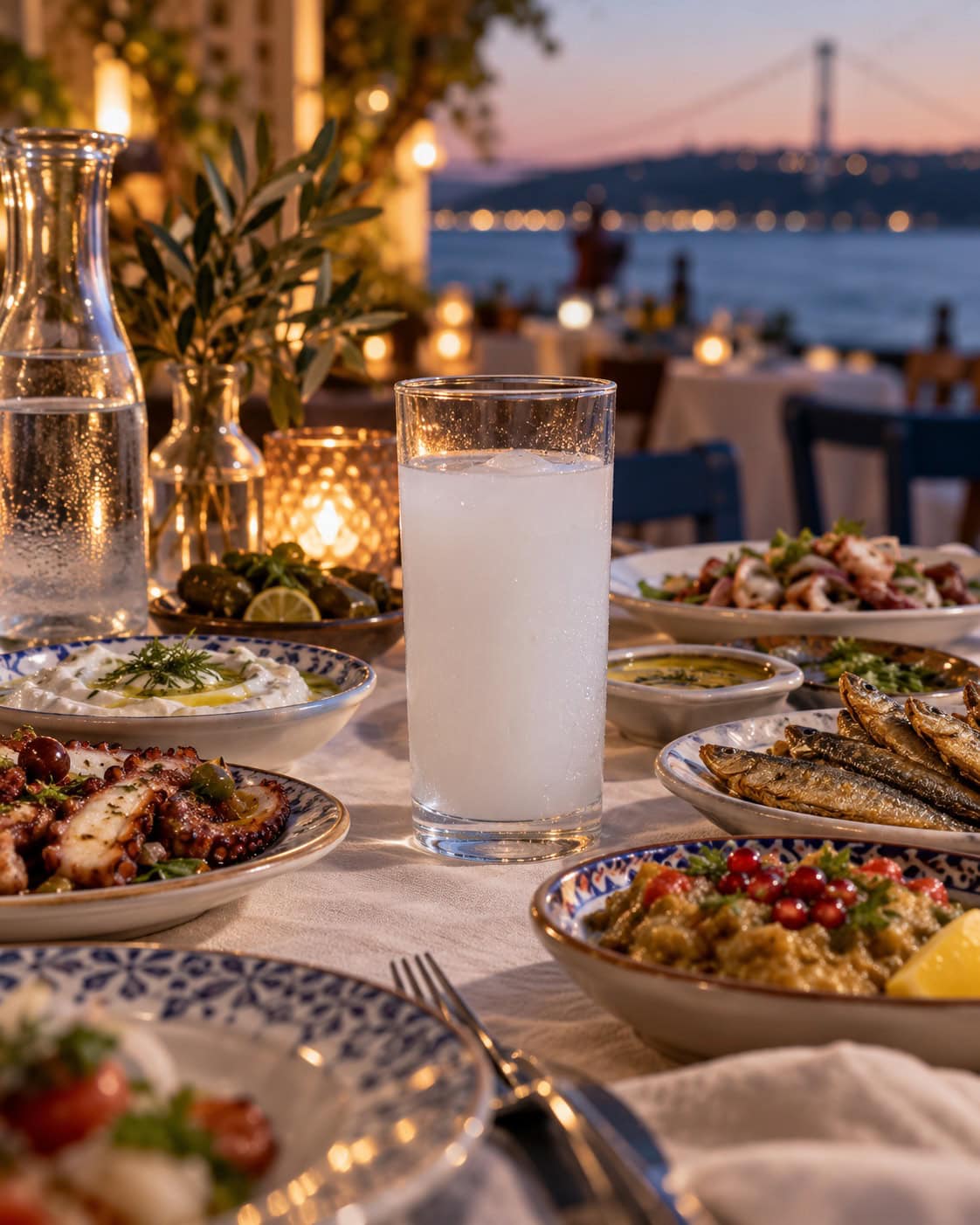
This clear, aniseed-flavoured spirit is one of Türkiye’s most emblematic drinks. Rakı has deep roots in the country’s drinking culture and is traditionally enjoyed slowly, at the table, rather than knocked back as a shot.
It is produced from a grape-based distillate that is redistilled with aniseed, giving it an intensely aromatic liquorice character. Water is normally added when serving, causing the clear spirit to turn a distinctive milky white – a transformation also seen with other aniseed spirits such as Greek ouzo and French pastis.
Rakı comes into its own alongside food, particularly a long spread of meze and seafood. Less a quick drink and more an excuse to stay at the table for another hour.
Rhum Agricole
-
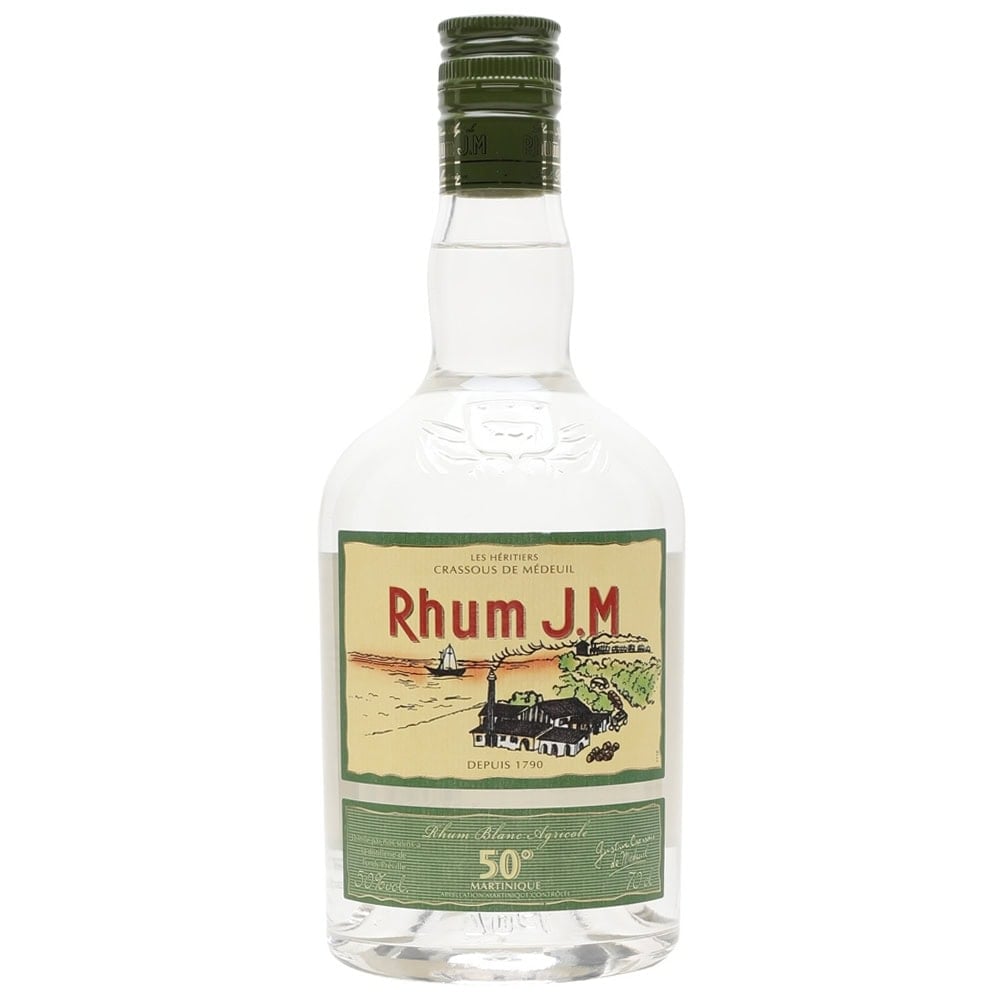
- Rhum J.M Blanc Agricole
-
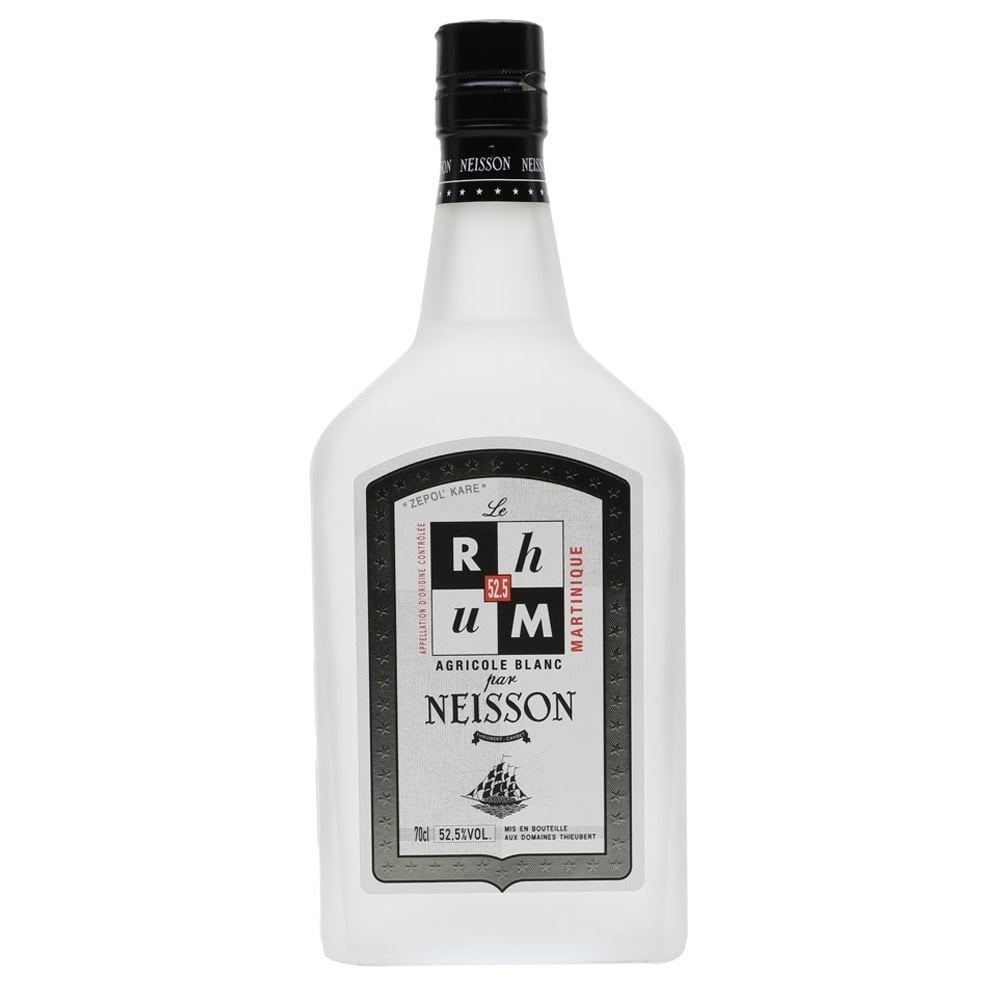
- Le Rhum Agricole Blanc par Neisson
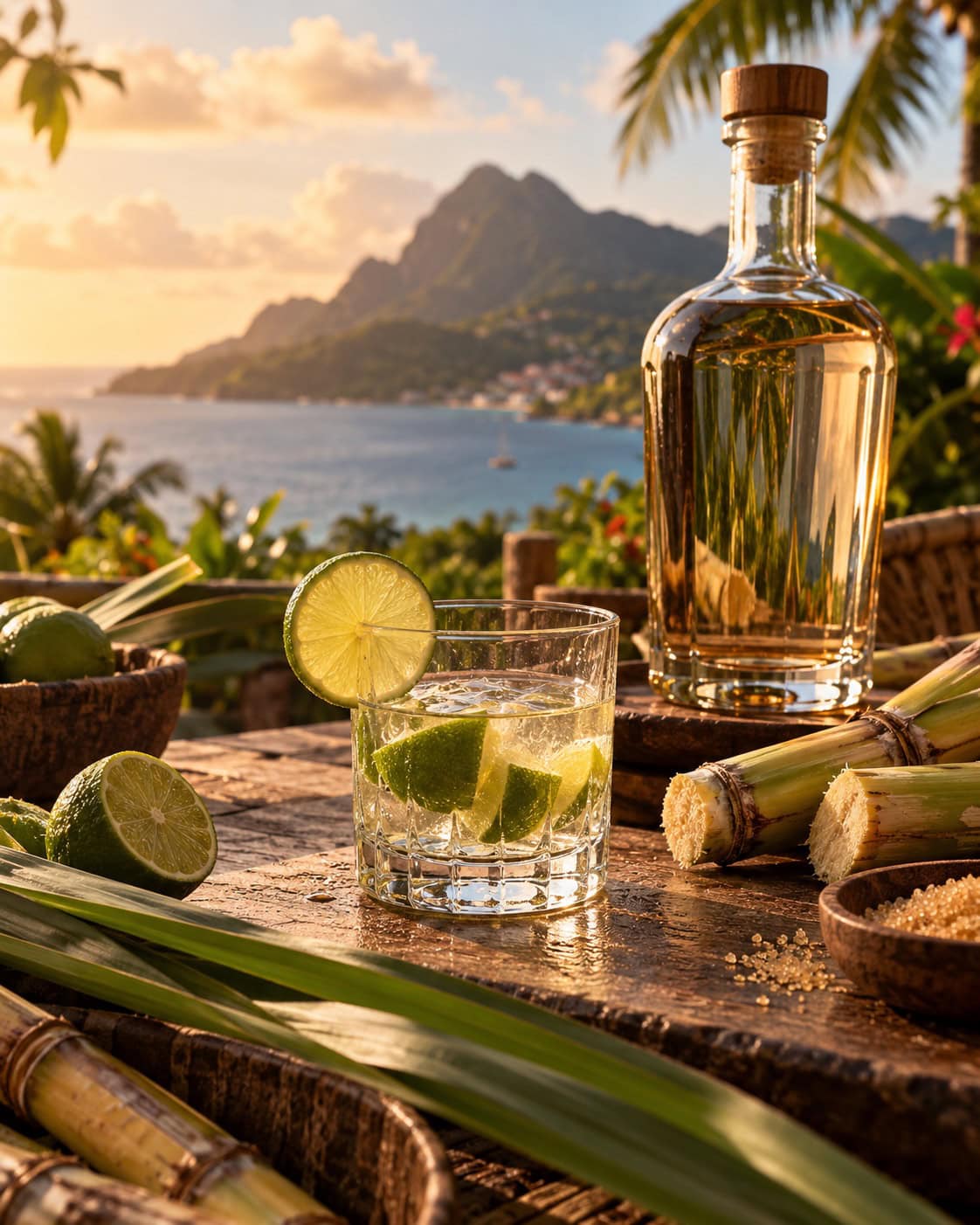
This distinctive style of rum has developed a cult following around the world. It is particularly associated with the French Caribbean, most notably Martinique and Guadeloupe, although cane-juice rum is produced elsewhere too.
Unlike the majority of Caribbean rum, which traditionally starts with molasses, rhum agricole is made directly from fresh sugar cane juice. The cane is pressed after harvest before the juice is fermented and distilled, helping retain the grassy, vegetal and earthy characteristics for which the style is known.
Rhum agricole can be aged, but the vibrant unaged expressions are particularly distinctive. Sip them neat or put them to work in a Ti’ Punch, the deceptively simple combination of rhum agricole, lime and cane sugar. If your idea of rum begins and ends with sweet, dark styles, this is a very different proposition.