Pile On: The New Rules Of Winter Layering For 2026

Anyone can pile on clothes until they no longer feel the cold, but making it look good is another story. Good layering is as much a sartorial balancing act as it is about staying warm. It requires an understanding of colour, texture and proportion, and it rewards those who take the time to master it.
To do that, you need to get a feel for which fabrics sit well next to each other, how to pair bulky pieces with slimmer ones and how different tones, weights and silhouettes interact. You want it to look effortless and thrown together, but to achieve that (and have it actually look good), you’ll need to adopt a sprezzatura mindset, Italian for putting a bit of work in on the sly.
To get you on the right track, we’ve put together a list of guidelines to make layering easier to master. Use them as your guardrails, and you won’t go far wrong.
From outerwear sizing to knitwear no-nos, here’s everything you need to know.
Work Light To Heavy
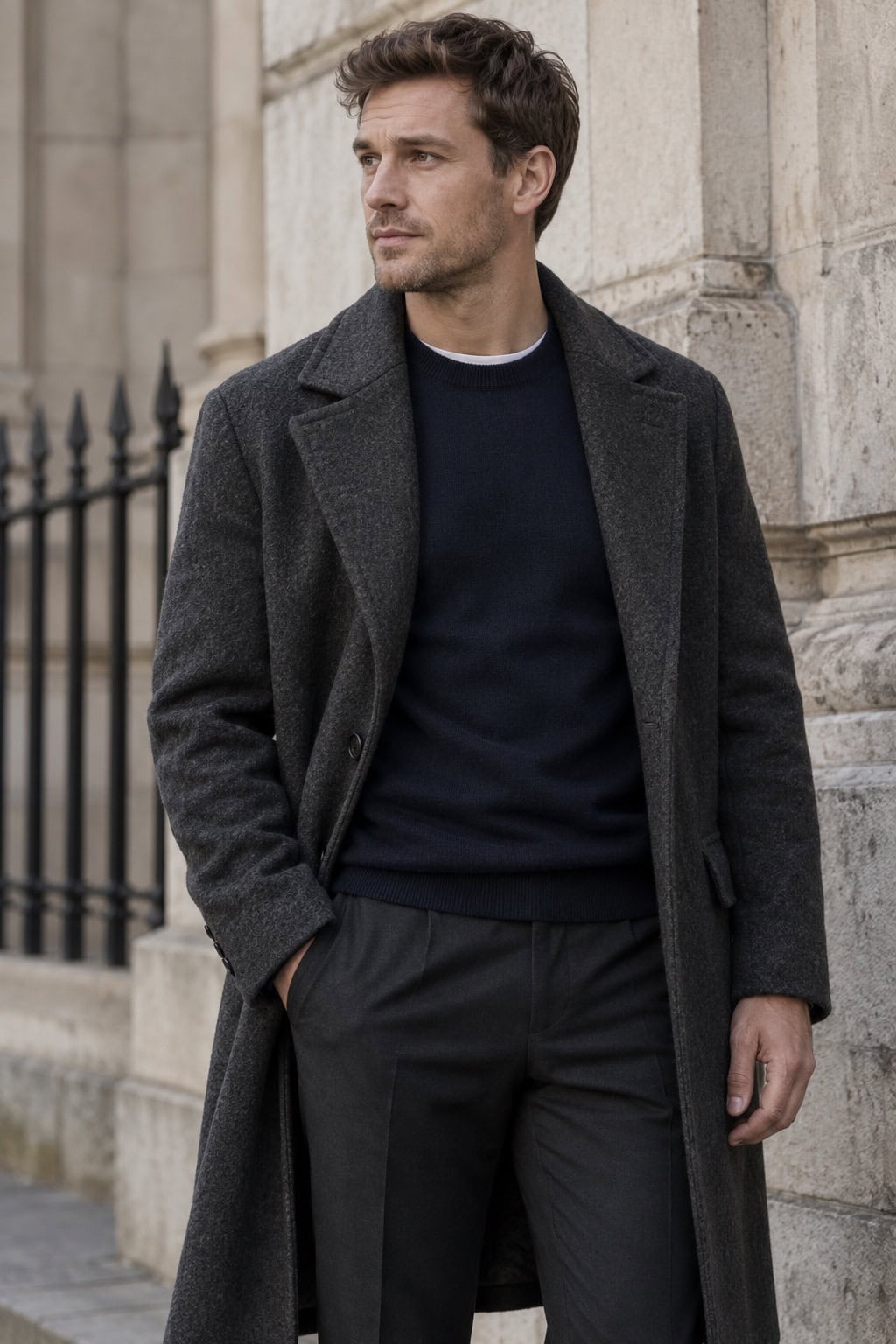
It’s tempting to reach for the thickest pieces available when the air outside is cold enough to make your face sting, but bulkier isn’t always better. In fact, when it comes to layering, it’s almost always better to start with lightweight garments. A fine-gauge merino knit, long-sleeved cotton T-shirt or thin thermal base layer will add warmth without unnecessary bulk under everything else.
This rule becomes more important the more layers you plan to wear. A heavyweight hoodie might feel like a sensible starting point, but you’ll struggle to move your arms once you’ve piled on an overshirt, a jacket and a coat. By keeping the innermost layers low-profile, you leave yourself more room to experiment with the pieces people will actually see.
Size Matters
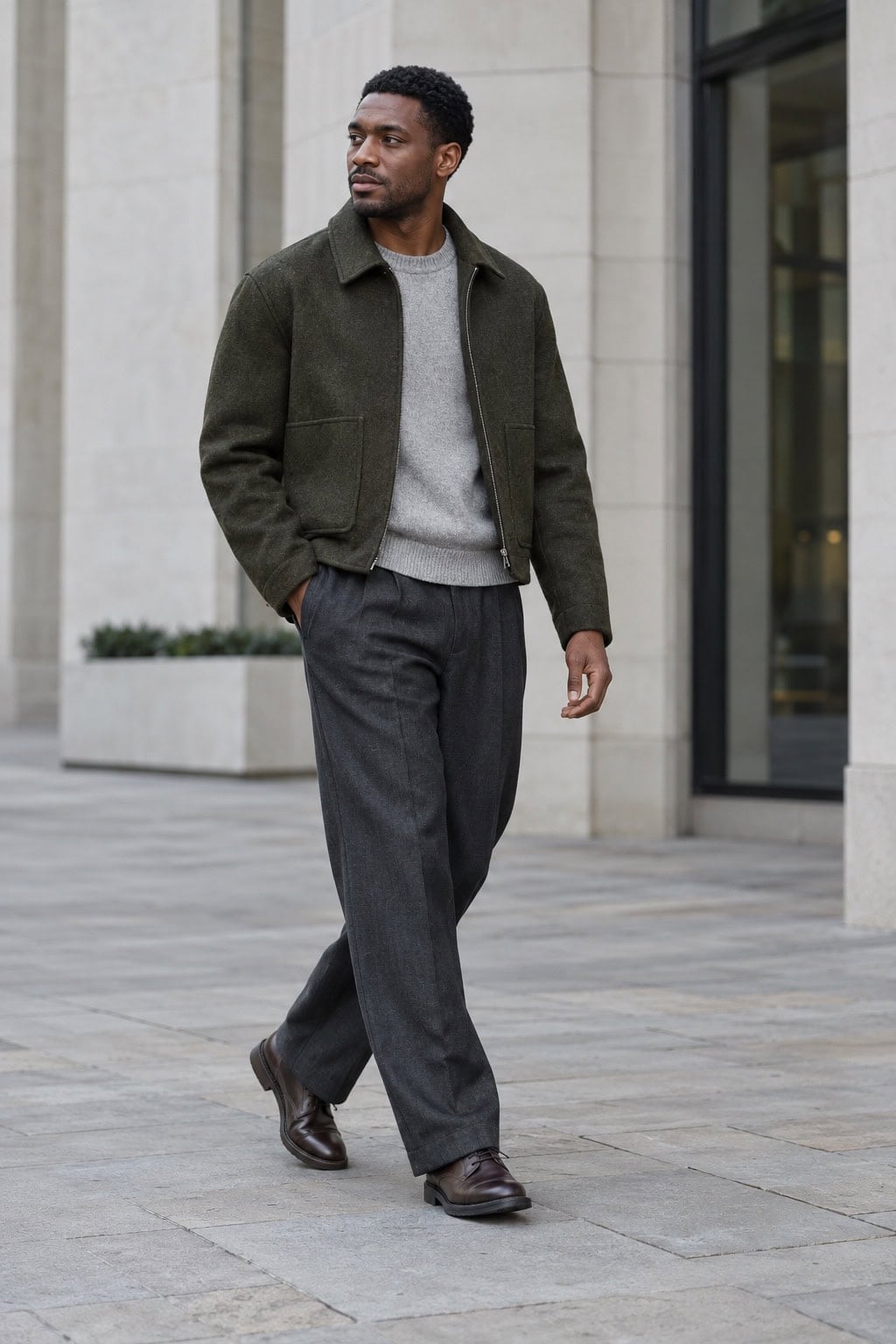
Layering isn’t just about warmth; it’s also about silhouette. An oversized coat over equally roomy knitwear and trousers can leave you looking shapeless. Conversely, a fitted jacket over a thick jumper creates a different, equally undesirable problem.
The trick? You need to establish some sort of visual hierarchy. A roomy overcoat can work beautifully over a relatively restrained knit and straight-leg trousers. A cropped, boxy jacket can do the same for a wider trouser silhouette.
You don’t need everything to be slim, but the pieces should look like they belong together. It’s all about thinking in terms of shapes and how they interact.
Texture > Colour
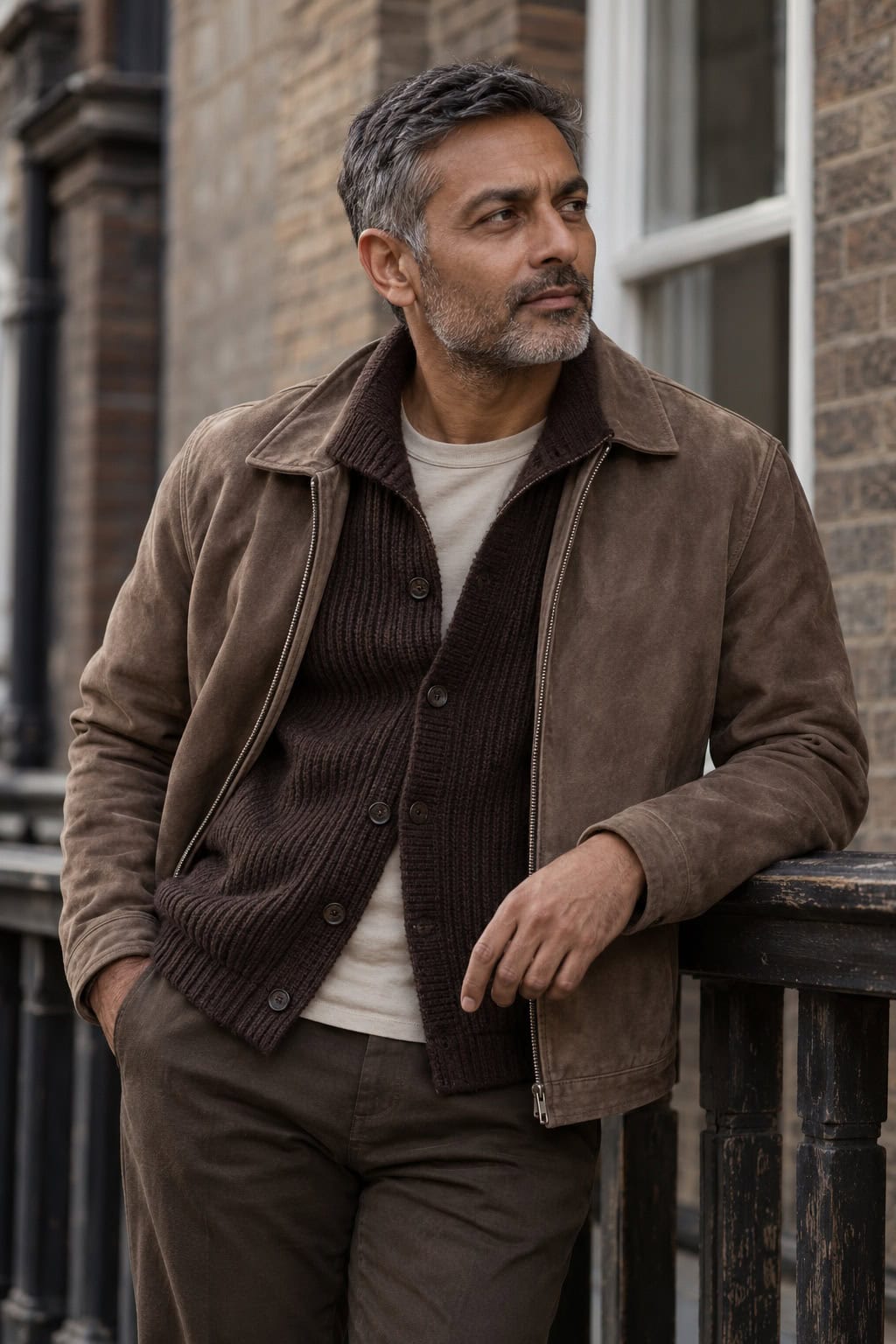
Colour is a powerful tool, but you can still create visual interest with a relatively muted palette of navy, grey or brown. How? You need to make the fabrics do the work. In fact, we’d argue texture often contributes more to a successful layered look than colour does.
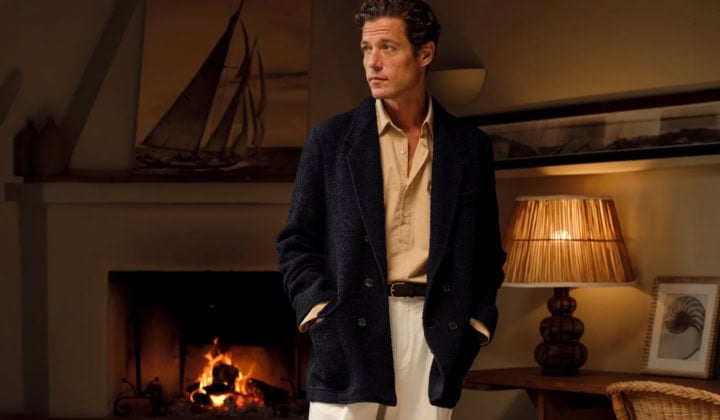
Think brushed wool against smooth cotton, a ribbed cardigan beneath a suede jacket, or a chunky tweed coat worn over fine-gauge knitwear. The contrast gives each garment its own identity, even when the palette is relatively restrained.
Even monochrome looks can feel deep and interesting because colour behaves differently on different surfaces, so think carefully about the materials you choose next time you’re stacking garments for the cold.
Never Underestimate An Overshirt
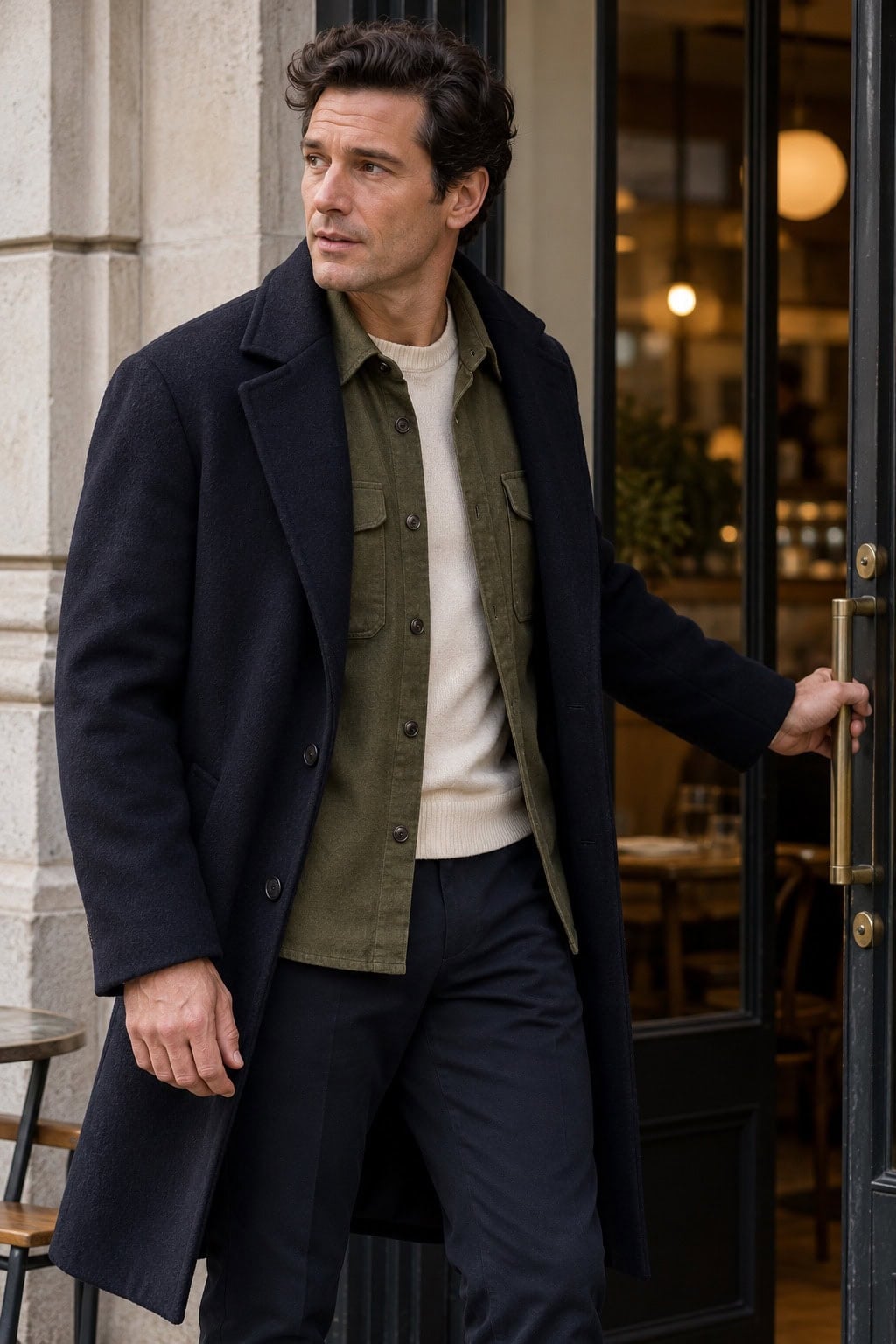
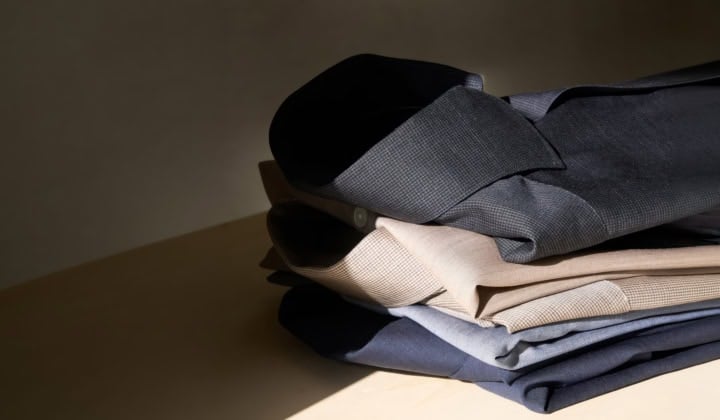
An overshirt is one of the most useful garments in a winter wardrobe… or in any season for that matter. It’s substantial enough to provide insulation, but generally light enough to wear under a coat without making the whole arrangement feel cumbersome.
Wear one over a simple T-shirt or fine knit, then add a wool overcoat or parka when the temperature drops. Flannel, brushed cotton and corduroy are particularly good choices. Just be mindful of thickness.
A heavily padded overshirt is effectively a jacket, so treat it as such rather than shoehorning it into a space where it doesn’t fit.
Outerwear: Bigger Is (Usually) Better
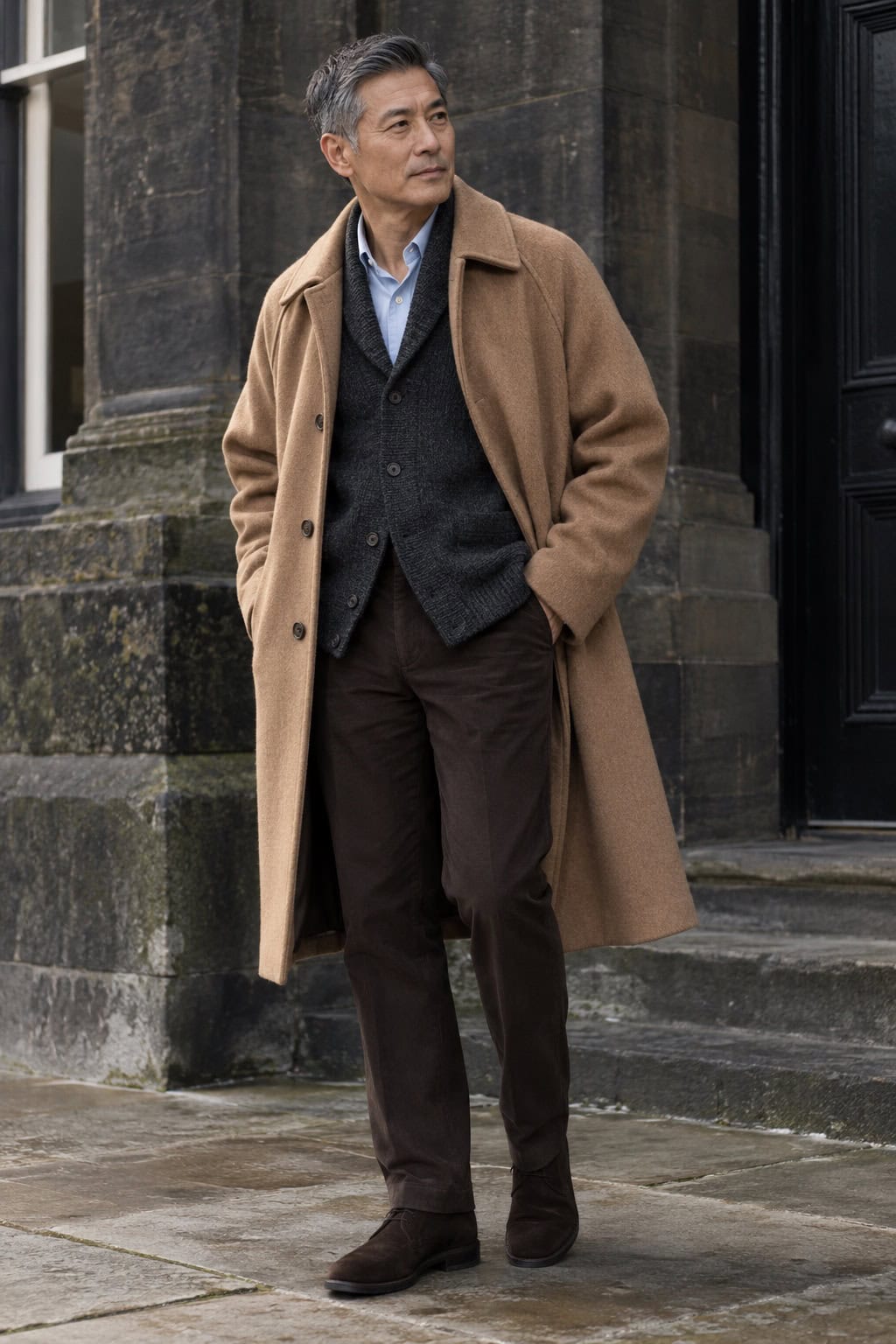
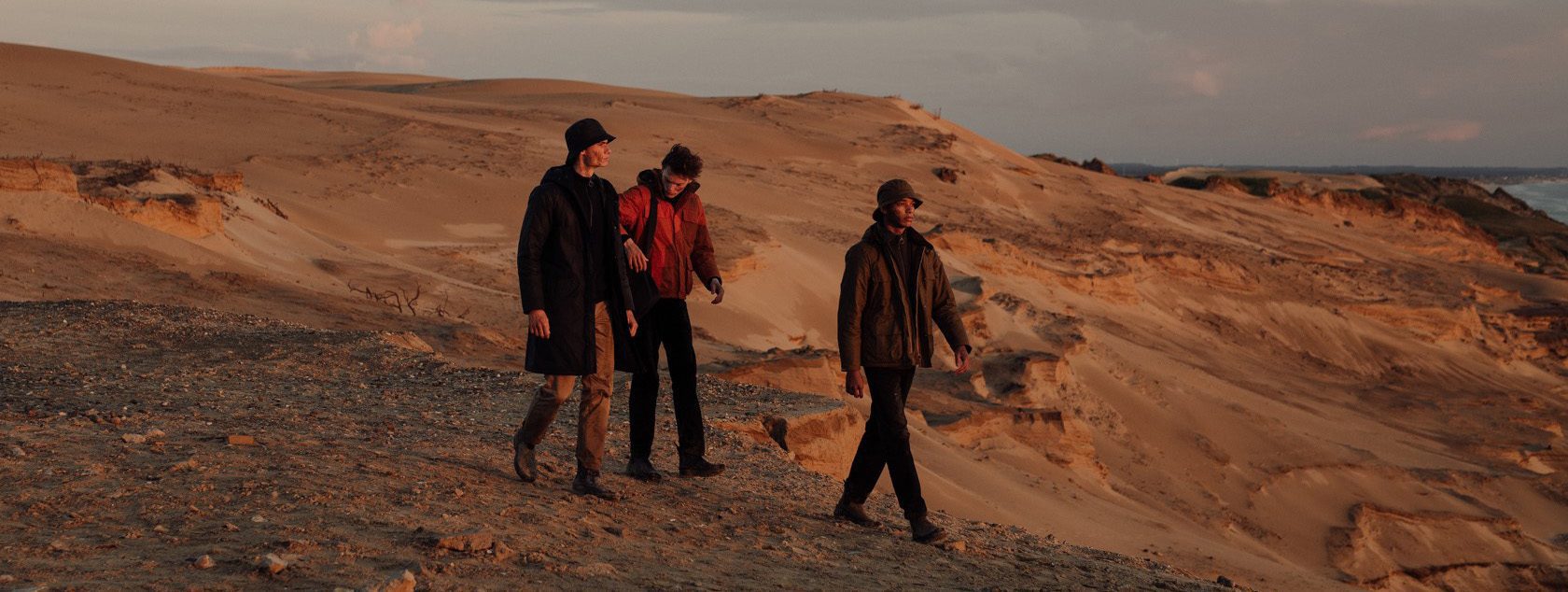
Even the most intelligently layered looks fall apart when you stuff them into restrictive outerwear like sausage casing. If your overcoat fits nicely over a T-shirt or light knit, it’s too small. You want something that feels borderline too big, so when you throw it over a fully formed outfit, you can still move your arms.
Make sure there’s enough room through the chest, shoulders and sleeves. The fabric should fall naturally, not pull across the buttons or bunch around the arms. A slightly relaxed fit is always better than something too tailored, particularly with substantial wool overcoats. Raglan sleeves can help here too.
If in doubt, try it on with a few layers underneath before buying.
The Long And The Short Of It
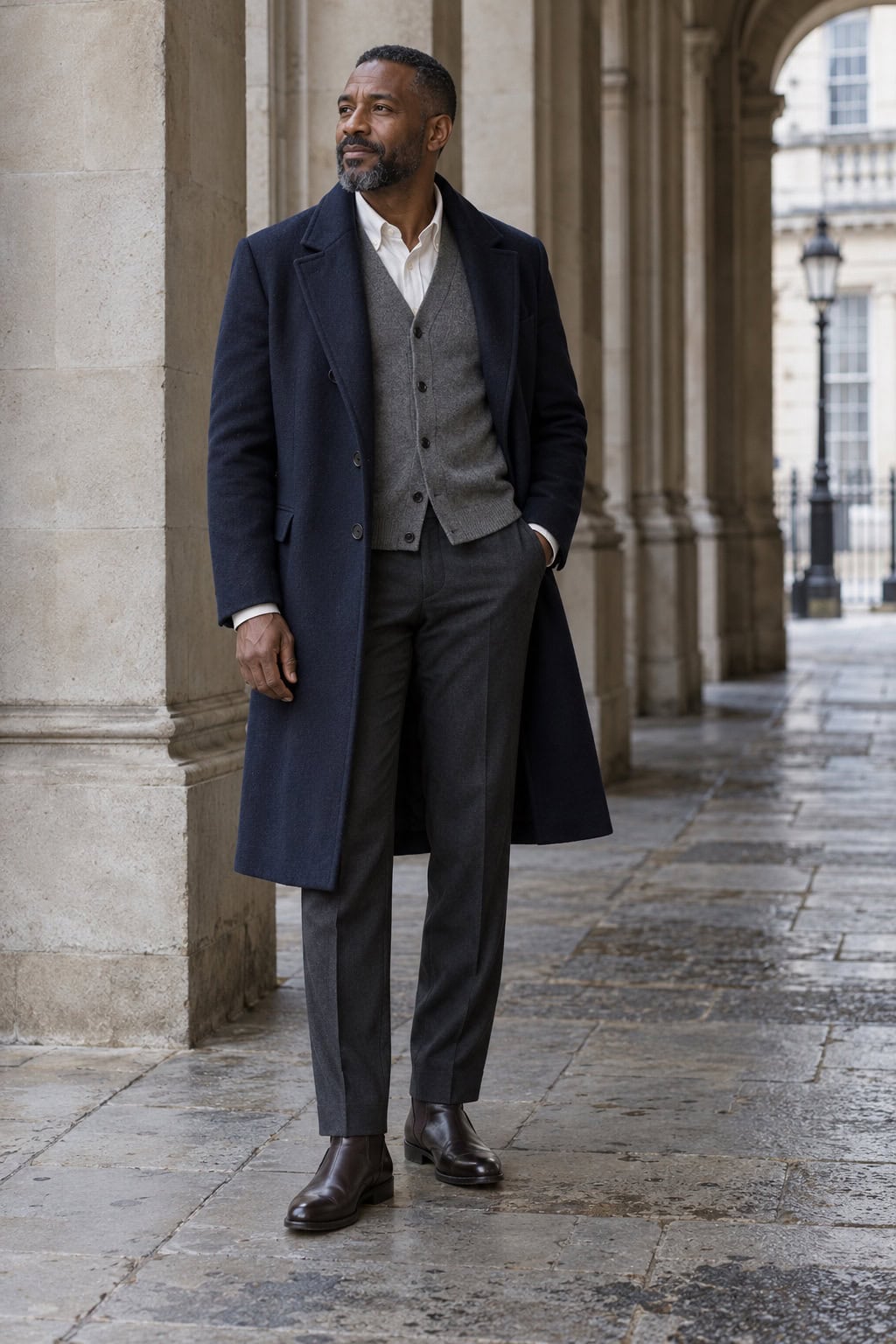
When it comes to layers, length can make or break an outfit. A long shirt dangling several inches beneath a cropped jacket might work as a deliberate styling choice, but more often than not, it simply looks awkward.
As a general rule, the outermost layer should be the longest, with shorter garments sitting neatly underneath. This isn’t an absolute requirement, so feel free to deviate from it if you’re confident, but it’s a useful starting point if you want a clean, cohesive silhouette right out of the gate.
A few centimetres of visible layering can look intentional, but too many competing hemlines create unnecessary visual clutter.
Separate With Colour
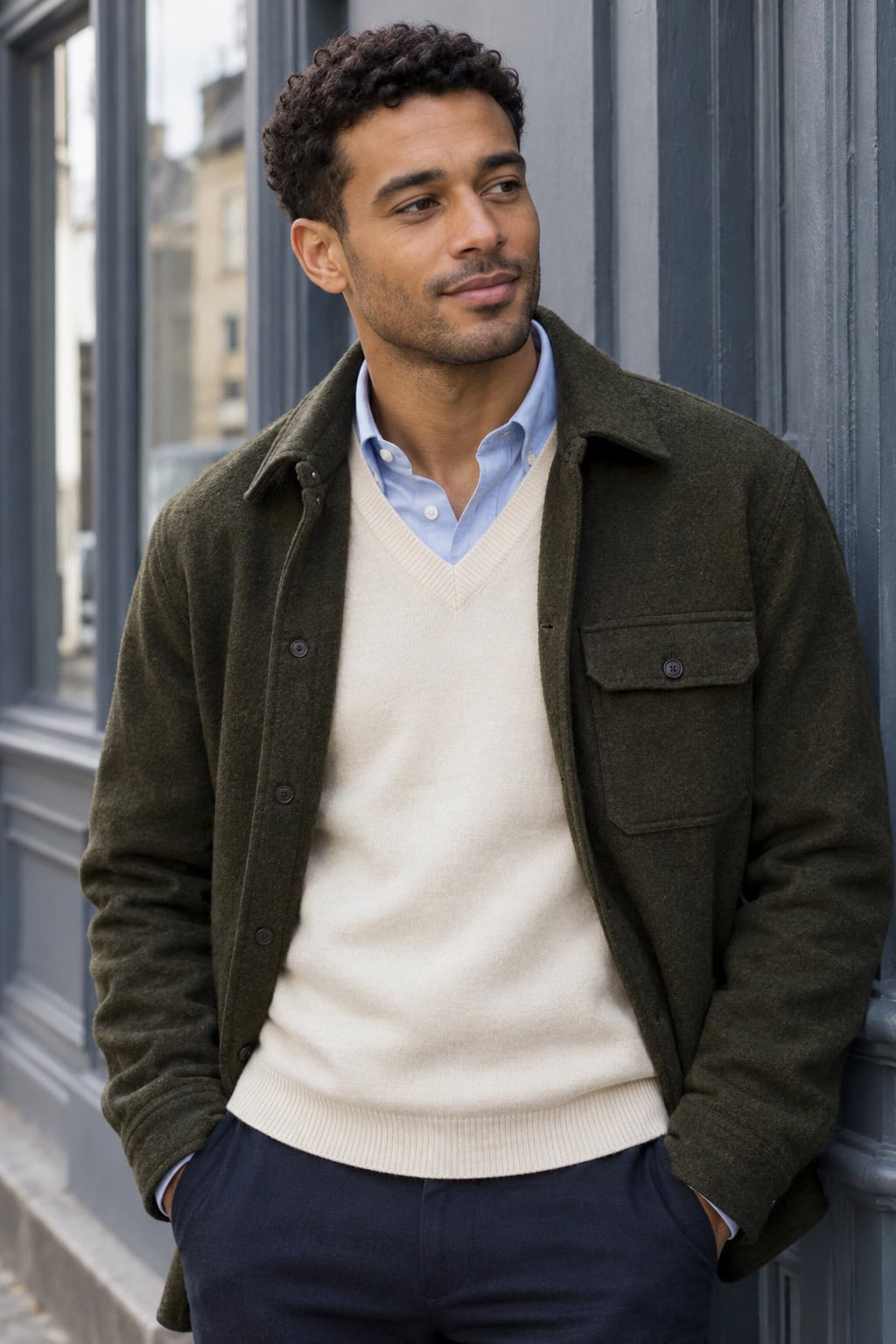
Colour is a powerful tool for clearly distinguishing individual layers when contrast is dialled up, especially with a restrained palette.
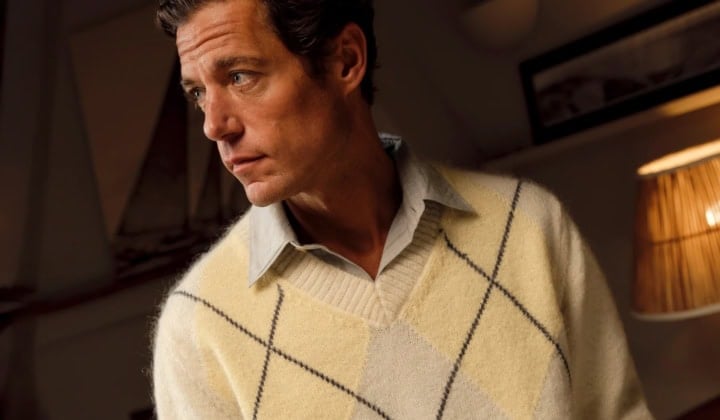
A cream knit beneath an olive overshirt. A pale-blue Oxford shirt under a charcoal cardigan. These simple combinations create clear contrast without relying on anything particularly loud for visual impact.
Tonal dressing can work well too, but avoid using only slightly different shades and textures. Without some degree of contrast, several layers of near-identical grey can easily merge into one indistinct blob.
Know When To Stop
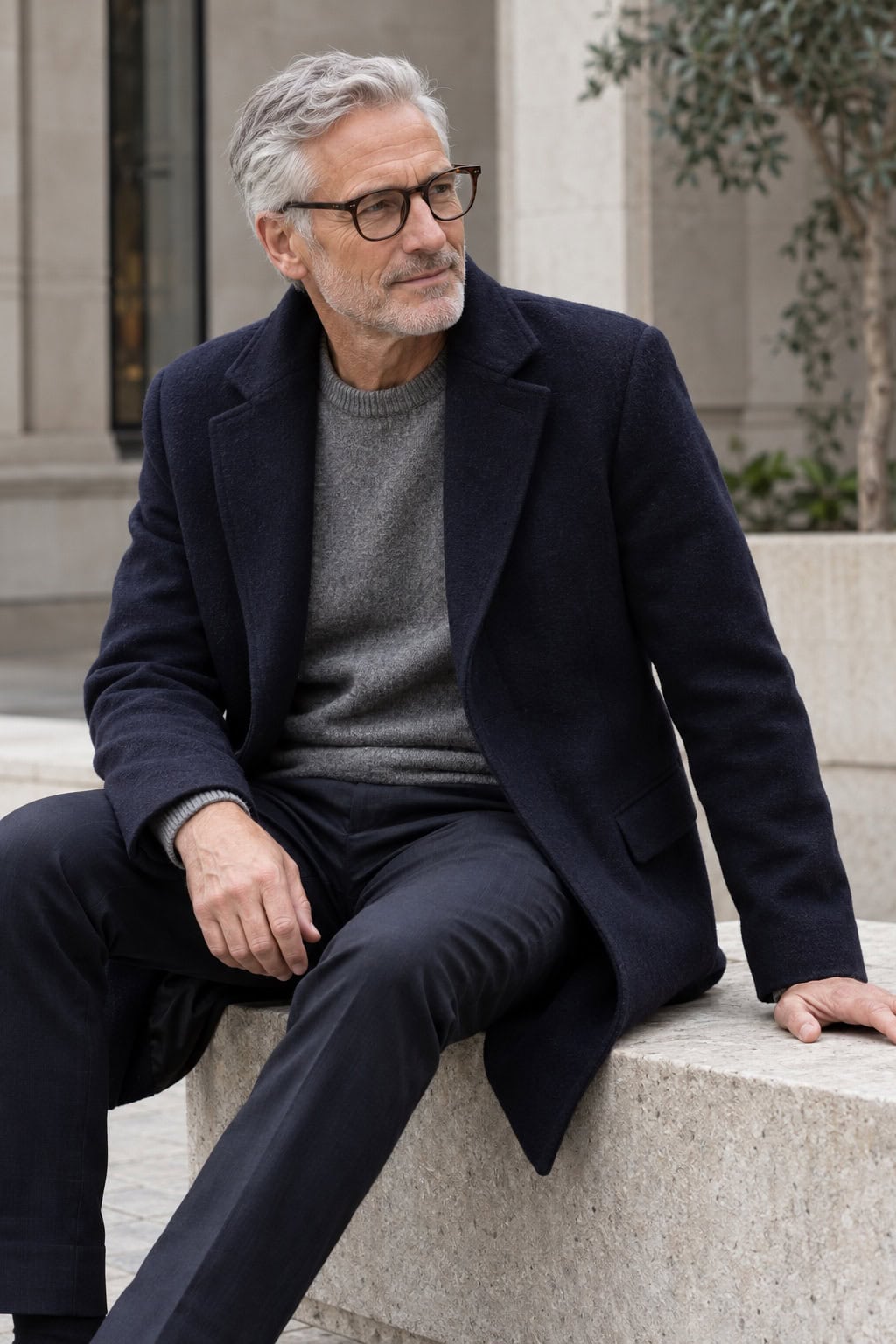
Wait! Just because you can cram another cardigan between the shirt and the jacket doesn’t mean you should. Yes, layering is about style, but it’s a practical exercise first and foremost, and piling on pieces purely for the sake of it rarely improves the end result. You need to know when an outfit has had enough.
If you’re sweating between leaving the house and reaching the end of your street, or constantly readjusting bunched-up fabric, you’ve probably overshot. Sometimes the best way to improve a layered look is to know what to leave out.