19 Productivity Tips That Actually Work In 2026

There is no magic hack for becoming more productive. No app, notebook, ice bath, AI tool or suspiciously expensive desk lamp is going to turn you into a perfectly optimised human being overnight. If one clever trick could stop procrastination, the internet would have finished its to-do list years ago.
That said, there are smart ways to work better. Not harder. Not in the performative, 5am LinkedIn-posting sense. Just better. The kind of better that helps you get meaningful work done without spending the day fighting your inbox, your phone and the seductive pull of doing absolutely anything except the thing that matters.
The best productivity advice is usually boring because it works. Make clearer lists. Protect your attention. Take proper breaks. Sleep properly. Set up your environment so it helps rather than hinders. None of it sounds revolutionary, but then neither does brushing your teeth, and look how badly things go when you stop.
Here are the simple productivity habits worth stealing.
Write A Better List
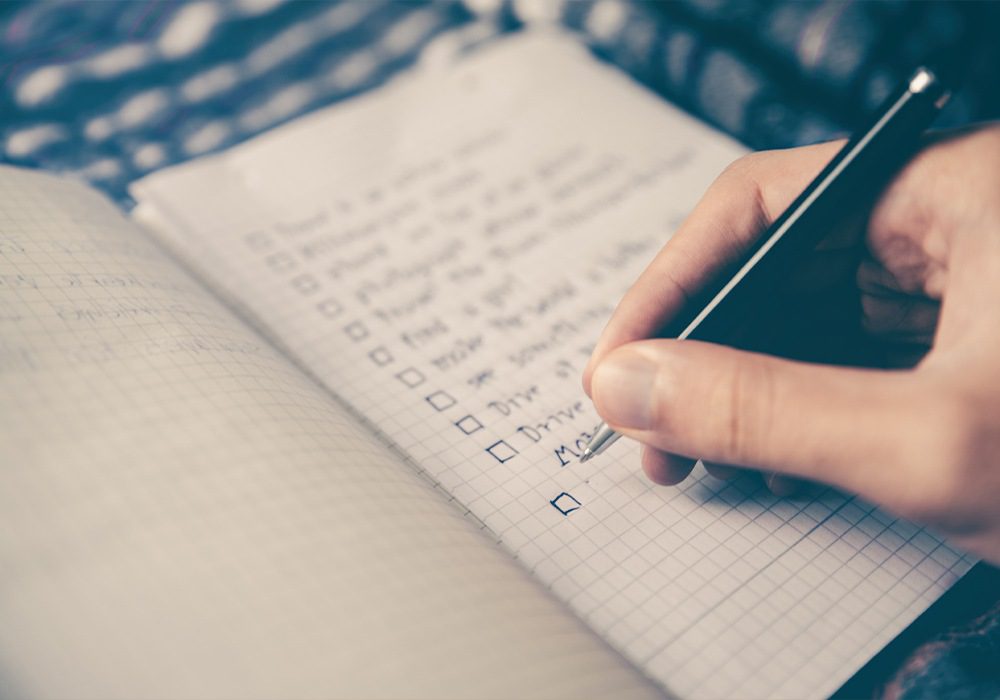
Most to-do lists are not lists. They’re panic written down. A jumbled catalogue of everything you’re worried about, everything you’ve been avoiding and everything you vaguely hope Future You will somehow handle with more grace and fewer tabs open.
The aim is not to make a longer list. It’s to make a better one. Whether you take cues from David Allen’s seminal Getting Things Done or Francesco Cirillo’s Pomodoro Technique, the important thing is to stop treating your to-do list like a dumping ground and start treating it like a plan.
First, ask whether the list could be shorter. It almost certainly could. Then separate what actually needs to be done today from what merely feels urgent because it has been rattling around your head since Tuesday.
Big tasks should be broken into smaller, cleaner actions. “Write report” is not a task. It’s a punishment. “Draft intro”, “pull sales figures”, “check sources” and “send to Sarah” are tasks. They have edges. You know where to start and when you’re finished.
One of the most useful ideas from Allen’s work is the tickler list, essentially a holding pen for things that matter but don’t need your attention right now. Long-term projects, future ideas, background tasks, things to revisit later. It keeps them out of your head and off today’s list, which is where they were quietly causing trouble.
A good list should reduce anxiety, not create a fresh administrative crisis. If it makes you want to lie down under your desk, it’s not a productivity system. It’s a cry for help in bullet-point form.
Protect Deep Work
Deep work is the stuff that actually moves your life or business forward. Writing the proposal. Solving the hard problem. Building the strategy. Learning the skill. Doing the thing that requires proper thought rather than quick replies and surface-level busyness.
The problem is that deep work looks suspiciously like doing nothing. You might be staring out of a window, making notes, pacing around or sitting quietly with a document open. To the untrained eye, it can look less productive than hammering through emails. It usually isn’t.
Block time for work that requires concentration and defend it properly. Put it in your calendar. Close the inbox. Turn off notifications. Tell people you’re unavailable if you need to. Make the session long enough to matter, but not so long that it becomes a heroic fantasy you immediately fail.
Start with 60 to 90 minutes. Choose one task. Remove obvious distractions. Work until the block ends. That’s it.
The modern workday is very good at chopping your attention into confetti. Deep work is how you tape some of it back together.
Take Regular Breaks
Breaks still have a branding problem. In too many workplaces, stepping away from your screen is treated like a moral failure, as if staring blankly at a spreadsheet while your brain quietly leaves the building is somehow noble.
It isn’t. Being at your desk is not the same as being productive. We’ve all had those moments where the cursor blinks, the brain fog descends and you reread the same sentence six times without absorbing a word. Technically working? Yes. Achieving anything? Not really.
Working in focused sprints is a far better approach. The Pomodoro method suggests 25 minutes of work followed by a five-minute break, but the exact number matters less than the principle. Work with intent, then recover before your concentration starts to rot.
That recovery does not mean opening Instagram, checking WhatsApp or falling into a comments section populated entirely by men called Gaz. It means standing up, moving, stretching, making a coffee, stepping outside, or simply letting your eyes focus on something that isn’t backlit and demanding your soul.
Short breaks give your brain a chance to process, reset and return with something approaching dignity. If you work from home, a walk around the block can do more for your afternoon than another heroic hour of pretending to concentrate.
The point is not to work less. It’s to stop confusing exhaustion with effort.
Stop Worshipping Busy
Being busy is easy. Being effective is harder.
Modern work rewards visible motion. Calls, messages, meetings, dashboards, updates, quick syncs, follow-ups, stand-ups, check-ins and all the other rituals that make a day feel full without necessarily making it useful.
The question to ask is not “What can I get done today?” It’s “What actually matters today?” There is a difference. One leads to ten minor tasks and a weird sense of exhaustion. The other usually leads to one or two meaningful wins.
Before saying yes to another meeting, ask whether it needs to happen. Before starting a task, ask what it changes. Before spending an hour polishing something, ask whether anyone will notice or care.
This is not an argument for laziness. It’s an argument for taste. Good productivity is knowing what deserves your best energy and what deserves to be done quickly, delegated or quietly killed off.
Busy is cheap. Useful is rare.
Email Can Wait
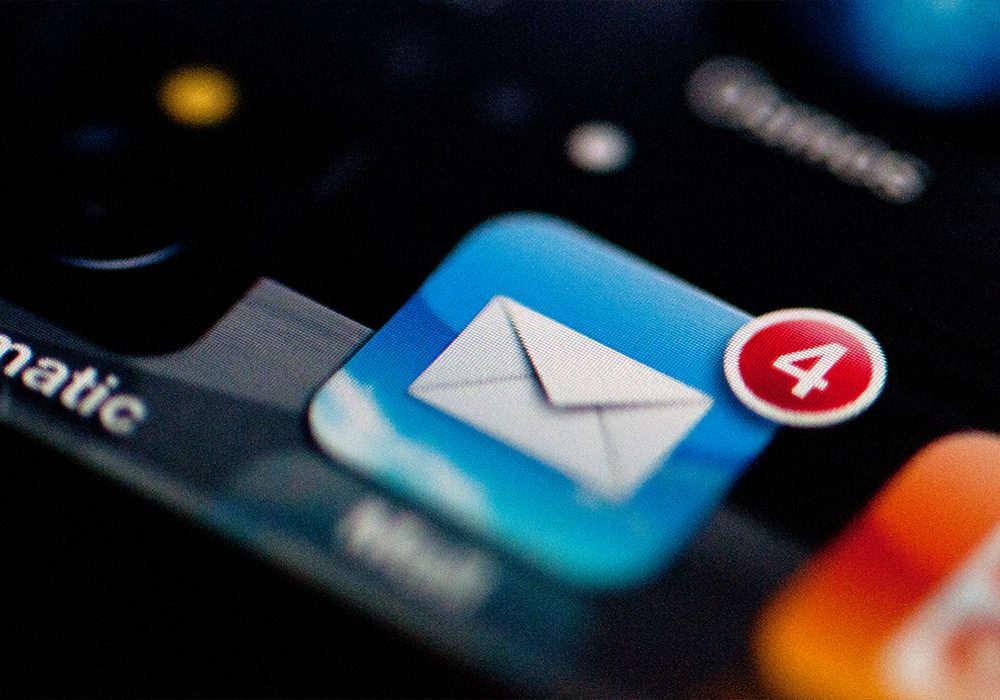
Email is one of the great productivity traps because it looks like work. It has subject lines, signatures, urgency and occasionally the word “circling” in it, which is always a warning sign. But spending all day reacting to other people’s priorities is not the same as doing your own work.
The problem has only got worse. Email now sits alongside Slack, Teams, WhatsApp, DMs, shared docs, project management tools and whatever fresh notification hell your company has adopted in the name of efficiency. The modern worker is not short of ways to be interrupted.
The fix is not to ignore communication entirely. Tempting, but inadvisable. The fix is to stop letting it own your day.
Set specific windows for checking and responding to email. Mid-morning, after you’ve done your most important task. Again after lunch. Then once more near the end of the day, when you can clear anything urgent and build tomorrow’s priority list. If something is genuinely on fire, people tend not to rely on a politely worded email chain.
Turn off non-essential notifications. Use filters. Archive aggressively. Create folders or labels for emails that need action, emails that need waiting on and emails that can safely disappear into the digital attic.
Auto-replies can help too, especially when you’re in deep work. They don’t need to sound like you’ve gone on a silent retreat in Big Sur. A simple note saying you’re focusing on work and checking email at set times is enough.
The goal is not inbox zero. Inbox zero can become its own weird little hobby. The goal is inbox control.
Use AI Without Letting It Use You
Artificial intelligence has changed the productivity conversation, mostly by making everyone wonder whether they should be doing everything faster, more cheaply and with a prompt that starts with “act as”. Used well, AI can be genuinely useful. Used badly, it becomes a more sophisticated way to avoid thinking.
The trick is to use it for leverage, not laziness. AI is excellent for summarising notes, turning messy thoughts into a structure, drafting first versions, spotting gaps, generating options and helping you get started when the blank page is staring back with menace.
It is less useful when you outsource your judgment to it completely. That’s how you end up with bland copy, weak strategy and a document that sounds like it was written by a very polite airport.
Treat AI like a sharp junior assistant. Give it context. Give it constraints. Ask for options. Challenge the output. Then apply your own taste, experience and standards. The thinking still belongs to you.
The best use of AI is not to do more low-value work. It’s to clear the runway so you have more time and energy for the work that actually requires a human being with taste, judgement and the ability to notice when something sounds like nonsense.
Sleep

Productivity does not begin when you open your laptop. It begins the night before, when you either behave like a functioning adult or watch one more episode, answer one more message and scroll yourself into the blue-lit abyss.
Sleep is not a soft lifestyle extra. It is the foundation. Poor sleep affects focus, memory, mood, decision-making and your ability to tolerate people who use “quick one” as an email opener.
Aim for consistency rather than perfection. Go to bed and wake up at roughly the same time. Keep the room cool, dark and quiet. Dim the lights in the evening. Put your phone somewhere that requires more effort than a half-conscious thumb twitch. Avoid doing the full theatre of work from bed unless you want your brain to associate the duvet with quarterly forecasting.
A proper wind-down routine helps because it tells your body the day is ending. Shower, read, stretch, listen to something calm, write down tomorrow’s priorities so your brain stops trying to solve them at midnight.
Short naps can be useful too, particularly if you work from home or control your own schedule. Keep them brief. The aim is to wake up sharper, not emerge three hours later wondering what century it is.
You can have the best productivity system in the world, but if you’re running on poor sleep, you’re bringing a butter knife to a gunfight.
Make Meetings Earn Their Place
Meetings are where productivity often goes to die politely. Everyone turns up, someone shares a screen, three people say “just to build on that”, and 45 minutes later the only clear outcome is that another meeting may be needed.
That does not mean all meetings are bad. Good meetings are useful. They solve problems, make decisions and get the right people aligned quickly. Bad meetings exist because nobody had the nerve to suggest an email would have done the job better.
Before accepting or setting up a meeting, ask a few simple questions. What is the purpose? Who actually needs to be there? What decision needs to be made? Is there an agenda? If nobody can answer those questions, the meeting probably does not deserve a slot in your calendar.
Status updates should usually be written down. Quick questions should usually be handled asynchronously. Anything that needs discussion should have a clear owner, a tight agenda and a defined outcome. Otherwise, you’re not collaborating. You’re just losing time in a room, physical or digital, with worse lighting.
The best meetings are short, focused and slightly ruthless. Start on time. End early if the job is done. Do not reward rambling. And if a meeting has no point, decline it with the confidence of a man who has finally seen daylight.
Eat The Frog
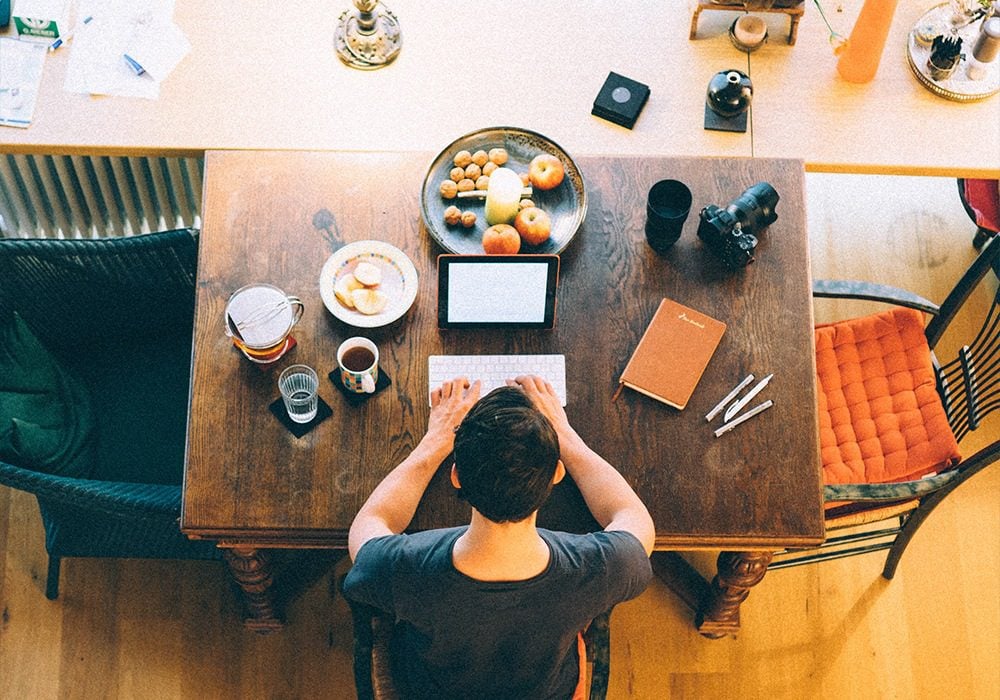
Mark Twain is often credited with saying that if you eat a live frog first thing in the morning, nothing worse will happen to you for the rest of the day. Whether or not he actually said it, the idea has stuck for good reason. Do the difficult thing early and the rest of the day immediately looks less threatening.
In productivity terms, the frog is the task you most want to avoid. The awkward email. The big proposal. The call you keep moving to tomorrow. The piece of work that actually moves things forward, which is precisely why you’ve been dressing it up as “one for later”.
The mistake most people make is front-loading the day with shallow admin. A few easy replies. A quick tidy of the desktop. Some calendar shuffling. Maybe a spreadsheet format tweak for texture. It feels productive because boxes are being ticked, but it’s often just procrastination wearing a tie.
Brian Tracy turned the frog metaphor into the backbone of his time management system, Eat That Frog! Get More of the Important Things Done. The core idea remains useful: your most valuable task should not be left to the part of the day when your energy, patience and will to live have all taken a hit.
Choose the one thing that would make the biggest difference if it got done today, and do it before the noise starts. Before the inbox. Before the meetings. Before the little jobs breed in the corners.
Eat the frog early. Then enjoy the smug aftertaste.
Control Your Calendar Before It Controls You
Your calendar can either be a tool or a trap. Left unattended, it quickly becomes a public dumping ground for other people’s priorities. A call here, a check-in there, a “quick sync” that somehow lands in your best thinking time like a brick through a window.
Start by blocking time for the work that matters. Not just meetings. Actual work. The proposal, the strategy, the writing, the analysis, the creative thinking, the thing that will otherwise be squeezed into the tired corners of the day.
It also helps to know when you do your best work. Some people are sharpest first thing. Others take until mid-morning to become fully human. Either way, protect your high-energy hours for tasks that need judgement, focus and original thought. Leave low-value admin for the moments when your brain is still functioning, but unlikely to write the next great business plan.
Batch calls where possible. Create meeting-free blocks. Keep some white space between commitments so the day does not become one long panic jog from one obligation to the next. A packed calendar might look important, but so does a bin lorry. That does not mean you want to spend your day inside one.
A good calendar should reflect your priorities. If it only reflects everyone else’s, it is time to take it back.
Prepare The Night Before
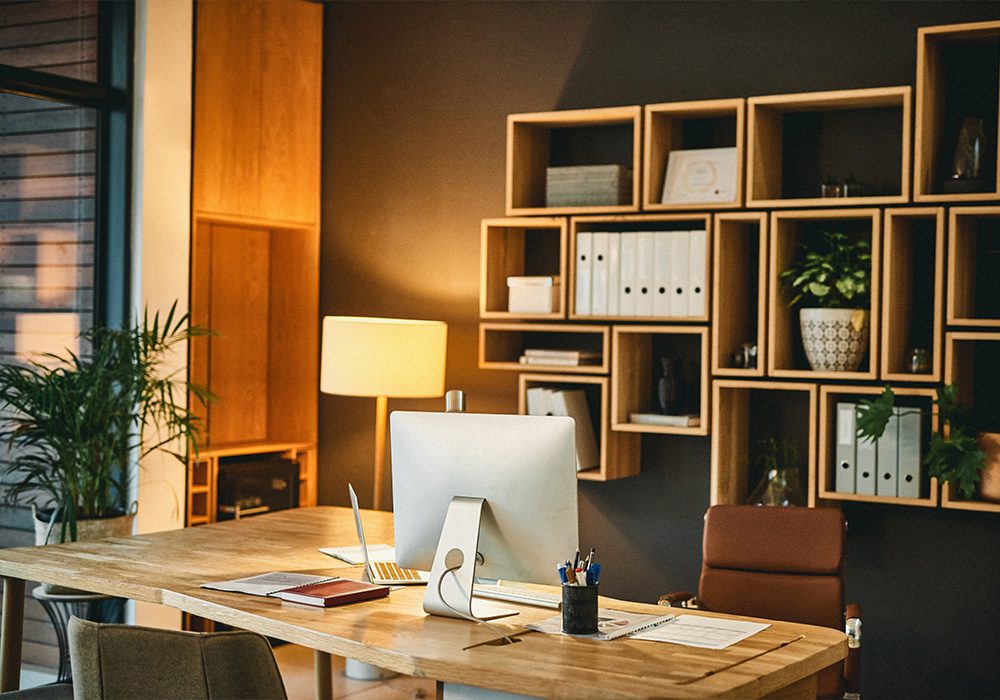
A productive morning is often decided before the morning has even started. Which is annoying, but true.
We’ve all done the alternative. You sit down with a coffee, open your inbox “just to check”, get dragged into someone else’s drama, remember three things you forgot yesterday, add seven more to the list and suddenly it’s lunchtime and your main achievement is feeling behind in several different fonts.
Preparing the night before removes friction. Spend five minutes at the end of the day choosing tomorrow’s first task, clearing your desk, closing irrelevant tabs and writing a short priority list. Not a fantasy list. A realistic one.
This fits neatly with the thinking in James Clear’s Atomic Habits, which argues for shaping your environment so good habits become easier. Leave your gym kit out if you want to train. Put a book where you’ll actually pick it up. Set your work area so the first thing you see in the morning is the thing you need to do, not the chaos you abandoned yesterday.
Good preparation is not glamorous. Nobody is making a Netflix documentary about a man who tidied his desk and wrote three priorities on a notepad. But it works.
And working beats glamorous almost every time.
Single-Task Properly
Multitasking sounds impressive until you realise it usually means doing several things badly at the same time. Writing an email while half-listening to a call, checking Slack while reviewing numbers, scanning WhatsApp while pretending to absorb a briefing. It feels efficient. It is not.
The brain is not actually switching smoothly between tasks. It is stopping, starting and paying a little attention tax every time you jump from one thing to another. Do that all day and you end up exhausted, busy and oddly unsure what you have actually achieved.
Single-tasking is less glamorous but far more effective. Choose one thing. Close the tabs you do not need. Put your phone away. Silence the unnecessary pings. Work on that one thing until it is finished or until the time block ends.
This does not mean your entire day needs to be monk-like and silent. It means the work that matters should get your full attention while you are doing it. Admin can be batched. Messages can be checked in windows. Small tasks can be grouped together. But deep, valuable work needs space.
Think of your attention like a decent suit. Look after it properly and it will serve you well. Drag it through every hedge, inbox and group chat in sight, and do not be surprised when it starts to look tired.
Separate From Your Phone
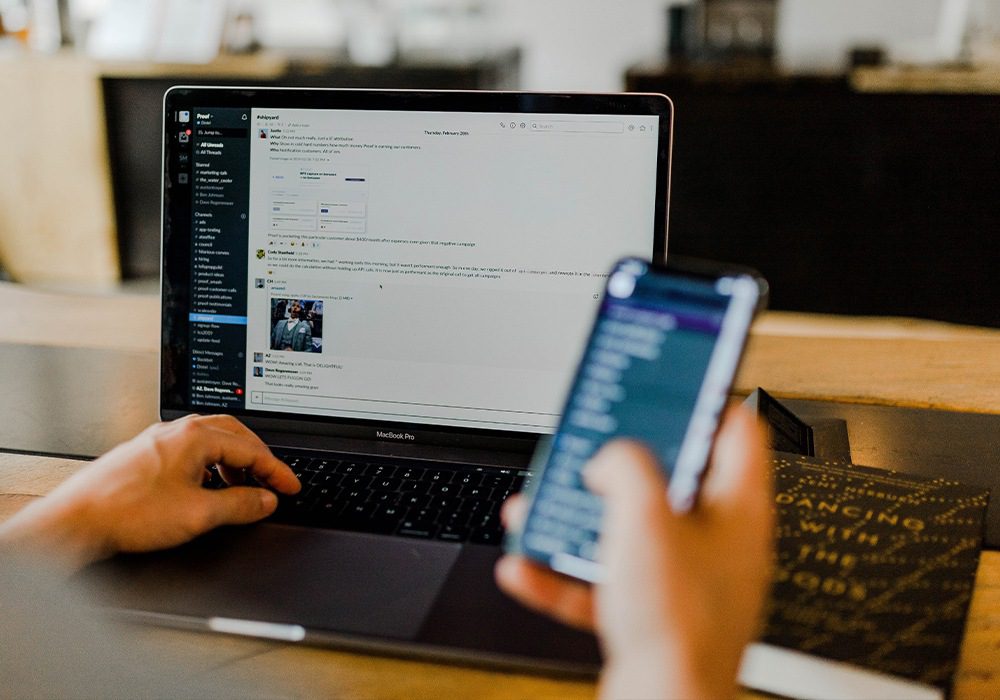
Repeat after us: you are not your phone. You can survive without touching it for 40 minutes. Probably.
The modern phone is a slot machine with weather, banking and a camera. It has been designed by very clever people to steal tiny pieces of your attention all day, then sell them back to advertisers with better shoes than you.
Removing your phone from your workspace is one of the simplest productivity upgrades available. Not face down on the desk. Not “just out of reach”. In another room. On silent, or with a focus mode that only lets essential calls and messages through.
If you need to be available, fine. Set the right exceptions. But don’t pretend you need instant access to every group chat, football rumour, breaking news alert and photograph of someone else’s lunch.
If you’re feeling bold, turn the phone off while you do your most important task. You can switch it back on afterwards. The world will have continued, somehow, without your live commentary.
Getting distance from your phone is not about becoming a monk. It’s about remembering that your attention is valuable, and handing it over in 15-second instalments is a terrible trade.
Review Your Week
Most people treat productivity as a daily problem. What do I need to do today? What is urgent today? What fresh nonsense has landed today? Useful questions, but not the whole picture.
A weekly review gives you a wider view. It helps you spot the patterns that are easy to miss when you’re buried in the day-to-day. What kept getting pushed back? Which tasks took longer than expected? What created the most value? What drained your time for very little return?
Set aside 20 minutes at the end of the week. Look at what you finished, what you avoided and what needs carrying forward. Clear any loose notes. Check your calendar for the week ahead. Choose the main priorities before Monday arrives wearing its usual smug expression.
This is not about judging yourself harshly. Nobody needs a Friday afternoon performance review from their own inner critic. It is about learning how you actually work, then adjusting accordingly.
The weekly review is where productivity stops being a collection of hacks and becomes a proper feedback loop. You do the work, look at what happened, then make the next week slightly better. Not perfect. Better. That is enough.
Optimise Your Environment
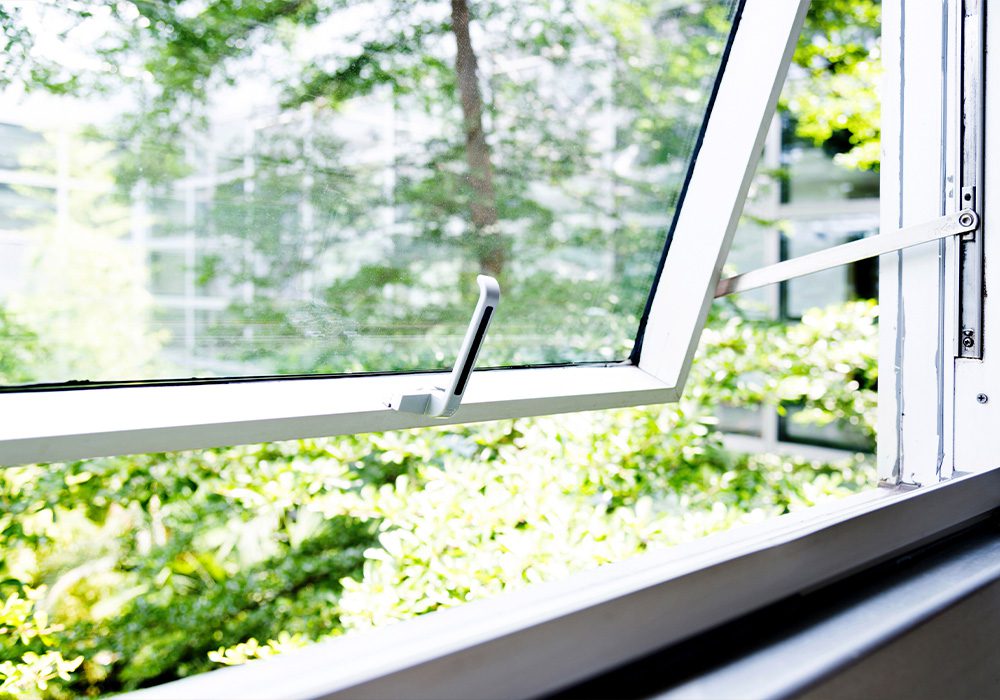
Your workspace matters, but don’t turn it into another procrastination project. You do not need to spend six weeks researching desk lamps, mechanical keyboards and the ideal angle for a monitor arm before answering an email.
Start with the basics. Natural light where possible. Fresh air. A chair that doesn’t turn your spine into punctuation. A screen at a sensible height. Enough order that you can find what you need without embarking on a small archaeological dig.
Air quality, light and noise all affect how well you work. If you can open a window, do it. If you can sit near natural light, even better. If your workspace sounds like a branch of Wagamama at peak lunch, consider proper headphones.
The aim is to create an environment that quietly supports focus. Not one that photographs well for Instagram while you continue to answer emails from the sofa like a Victorian invalid.
Work with the room you have. Make the easy fixes first. Fresh air, fewer distractions, better light, less clutter. Tiny improvements compound, which is fortunate because most of us are not about to build a garden office with a meditation pod and a Scandinavian name.
Build A Shutdown Routine
One of the reasons work bleeds into the evening is that most people never properly end the day. They just stop typing and carry the whole mess around in their head until bedtime, where it reappears as a mental slideshow of things they forgot to do.
A shutdown routine gives the day a clean ending. It doesn’t need to be elaborate. Review what you finished. Capture anything unresolved. Choose the first task for tomorrow. Close tabs. Clear your desk. Then stop.
This matters even more if you work from home, where the commute has been replaced by walking eight steps from one room to another while still thinking about cash flow, clients or why nobody replied to your 2.14pm email.
The brain likes closure. Give it some. A short shutdown ritual tells you the working day is finished, which makes it easier to be present afterwards and less likely that you’ll reopen the laptop at 9.47pm to “just check something”.
That way madness lies. Also Teams.
Stand Up
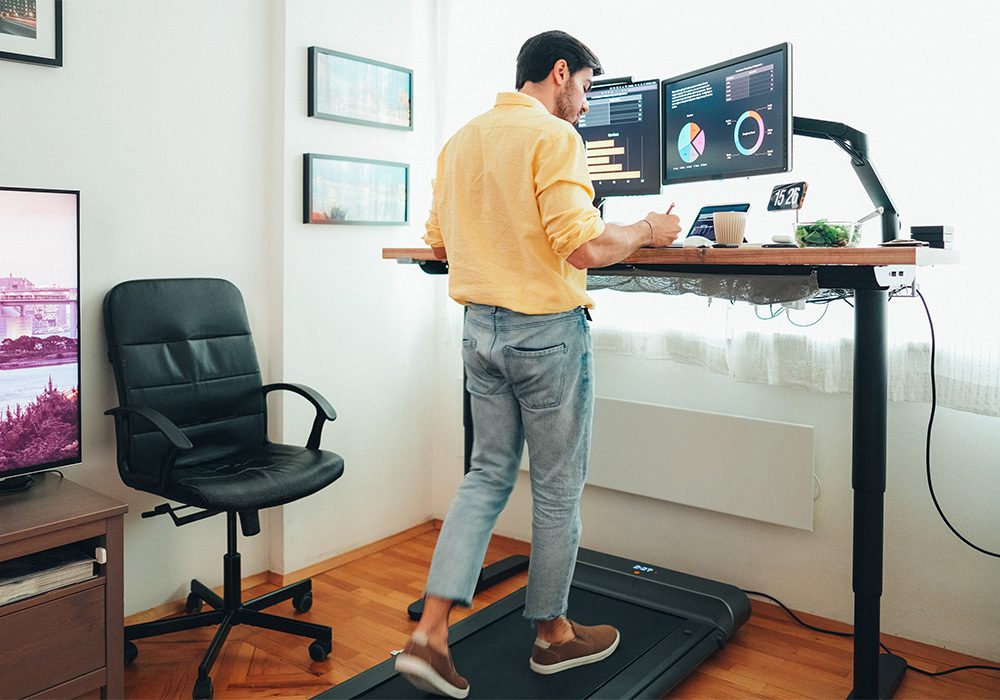
Sitting still all day is a strange thing to ask of a body that was not designed to become part of an office chair. Yet many of us do it for hours, then wonder why we feel stiff, tired and faintly furious by 4pm.
You don’t need to become the office standing-desk evangelist. Nobody likes that man. But you should move regularly. Stand up every 20 to 30 minutes. Stretch. Walk while taking a call. Make tea. Go outside for two minutes. Anything that breaks the spell.
Posture matters too. Sit upright, raise your screen to eye level if needed and avoid collapsing into the laptop hunch, that familiar modern pose somewhere between “busy professional” and “gargoyle with Wi-Fi”.
Standing and moving can help you breathe better, feel more alert and stop the day from turning into one long sedentary fog. A smartwatch reminder can help, but so can a glass of water placed far enough away that you actually have to get up to reach it.
It’s a small habit. But small habits are the point. Productivity is rarely one dramatic transformation. It’s a series of tiny corrections that make the day work better.
Use Templates And Systems
If you do something more than twice, it probably needs a system. That does not mean turning your life into a colour-coded productivity cult. It means saving yourself from repeatedly solving the same small problems like a man trapped in an admin-themed Groundhog Day.
Templates are one of the most underrated productivity tools around. Email replies, project briefs, weekly reports, content outlines, meeting agendas, onboarding notes, invoice chasers, packing lists, handover documents. If the structure is broadly the same each time, stop rebuilding it from scratch.
The same goes for systems. Have a proper place for documents. A repeatable process for starting projects. A simple way to capture ideas. A weekly slot for reviewing loose ends. The fewer decisions you need to make about basic admin, the more energy you have for work that actually requires your brain.
The trick is to keep systems simple. If your productivity setup needs a tutorial series, a dashboard and the temperament of an air traffic controller, it is probably too much. The best systems quietly remove friction. They do not become the work.
Good systems are invisible when they’re working. They save time, reduce mistakes and stop you relying on memory, which is noble but famously unreliable, particularly after lunch.
Manage Your Energy, Not Just Your Time

Time management gets all the attention, but energy management is often the bigger win. Not every hour is equal. An hour at 9am after decent sleep is not the same as an hour at 4.30pm after six calls, two coffees and a sandwich eaten with the grim speed of a man defusing a bomb.
The mistake is pretending all tasks can be dropped anywhere in the day. They cannot. Some work needs a sharp brain: writing, strategy, creative thinking, decision-making, difficult conversations. Other work can be done when you’re running at 60 per cent: expenses, basic admin, formatting, filing, replying to low-stakes messages.
Match the task to the energy you have. Put your hardest work into your best hours. Save the lighter jobs for the natural dips. Build breaks around the points where your focus usually fades. Eat properly. Move. Drink water. Do not expect elite output from a body running on caffeine, biscuits and quiet resentment.
This also means being honest about recovery. You are not a machine, and even machines get maintenance. Pushing through every dip is not discipline. Sometimes it is just bad management with a motivational quote attached.
The goal is not to squeeze more work into every minute. It is to use your best energy on the work that deserves it. That is where real productivity starts to look less like hustle and more like good judgment.