15 Things Successful People Do At The Weekend

Stuck in a weekend loop where Monday arrives like a jump scare? You’re not alone. It’s painfully easy to reach Sunday night and wonder where the time went, why you didn’t make the most of it, and why you somehow feel like you need another weekend to recover from the weekend.
Successful people have a knack for making downtime actually work for them. They separate work and play, refresh properly, keep a few healthy habits ticking over, and use those two precious days to set themselves up for a strong week.
Here are the weekend moves worth stealing.
Rise And Shine
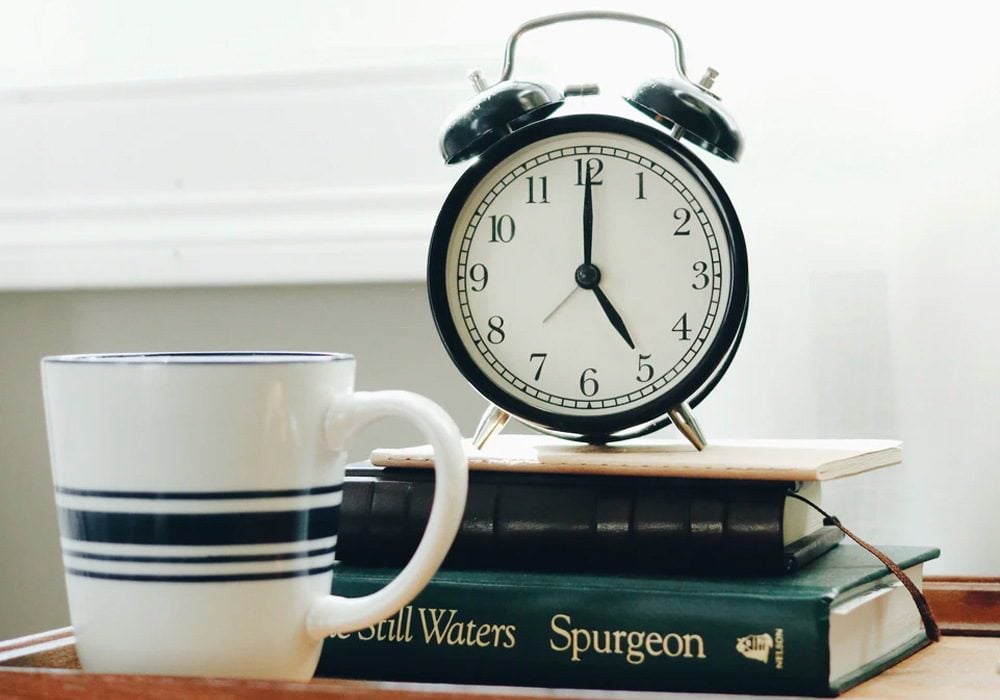
You don’t need to cosplay a 4am CEO, but sleeping until midday rarely leaves you feeling like you’ve won the weekend. A good rule of thumb is to keep your wake-up time roughly the same throughout the week, even if it’s a little later. Set an alarm, get up, and see what happens.
That early start buys you time. Time to exercise, time to do something for yourself, time to feel like you’ve actually lived a bit before the day disappears. If you do need extra sleep, take it — but aim for nourishing sleep rather than a chaotic lie-in that leaves you groggy and vaguely annoyed at the world.
Beware the indulgent lie-in trap: too much sleep can tip into lethargy, and then you’re spending the rest of Saturday trying to wake up.
Protect Your Peak Hours
Not every hour of the weekend is equal. You have certain windows when you feel sharp, calm, capable — and successful people protect them.
For some, that’s early morning. For others, it’s late morning after a slower start. Either way, use your best hours for something that genuinely improves your life: exercise, a creative project, learning a skill, life admin, planning, or even just an unhurried experience you never have time for midweek.
If your peak hours disappear into scrolling, low-grade errands and vague “I’ll do it later” energy, the weekend evaporates. Guard them.
Get The Blood Pumping
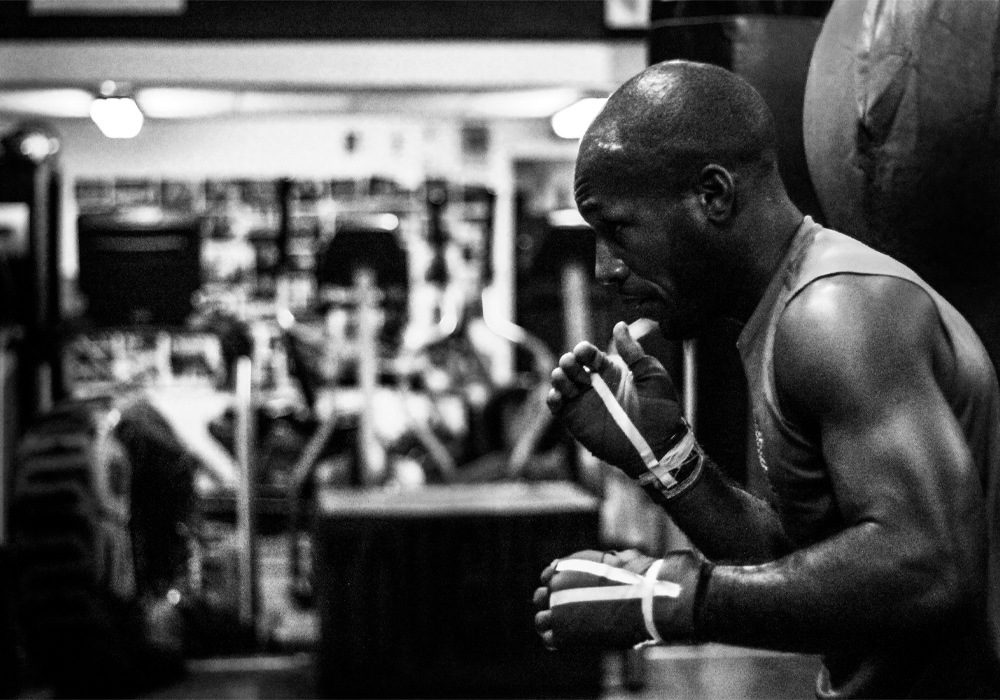
If you’ve been promising yourself you’ll exercise “at the weekend” all week, this is the part where you actually do it.
Move early and you’ll feel better all day. Run, cycle, lift, swim, hike, do yoga, follow a YouTube session in the living room — whatever gets the job done. The weekend is also perfect for exercise you don’t have time for midweek: longer sessions, a sport with mates, or something outdoors that feels like an experience rather than a chore.
An active body does tend to create an active mind. And even if you don’t care about the mind bit, you’ll sleep better, eat better, and generally be less cranky — which is a strong lifestyle upgrade for everyone around you.
Batch Your Life Admin
The reason weekends feel short is often death by a thousand small tasks.
Instead of letting admin drip-feed into every moment, contain it. Create a fixed admin window — an hour on Saturday morning and an hour on Sunday afternoon — and batch everything: errands, bookings, household tasks, emails that aren’t work-related, calendar updates, planning.
When it’s done, it’s done. You’re not mentally ‘on call’ for your own life all weekend.
Clear Your Mind

The working week is noisy: notifications, meetings, errands, background stress. The weekend is your best chance to slow down on purpose.
Meditation is one route, and you don’t need to make it a full spiritual reinvention. Ten or twenty minutes is enough to feel the benefit. But it doesn’t even have to be meditation. It could simply be stillness: sitting outside with a coffee and no phone, a quiet walk, reading without multitasking, or lying on the floor doing absolutely nothing for a moment.
The goal is simple: give your brain a break from constant input.
Get Outside (Properly)
Daylight and fresh air are still undefeated.
A long walk, a hike, a beach trip, a park mission with the kids — it’s a full-body reset that makes you feel like a functioning person again. Getting outside also helps you detach from work brain, sleep better, and feel less trapped in the same four walls.
You don’t need a technical jacket and a hydration pack. You just need to leave the house and move your body somewhere that isn’t your usual route.
Digital Detox

If you can avoid checking your work inbox over the weekend, do it. If the idea makes you uncomfortable, that’s usually a sign you need it.
Switch off across devices. Use airplane mode, mute notifications, and be present in whatever you’re actually doing. If you genuinely have to check messages, pick a specific time window, deal with what’s necessary, then stop. The weekend is one of the few remaining socially acceptable times to be unreachable — enjoy it.
Give Back
Giving back is a cheat code for perspective. It shifts your focus away from your own minor dramas and into something more meaningful.
This doesn’t have to be formal volunteering (although it can be). It could be helping a neighbour, offering your skills to someone who needs them, supporting a local cause, donating thoughtfully, or doing something kind and practical for someone in your circle.
The key is making it intentional. Put it in the diary and treat it like it matters — because it does.
Connect With People

Weekday socialising is often functional: quick catch-ups, forced chats, work dinners. The weekend is where you get to choose.
Successful people tend to protect time with the people who actually refill their tank — friends, family, partners, the ones who make you laugh and feel like yourself. That might mean a proper lunch, a long walk, hosting, a pub session, a board game night, or just being together without everyone staring at a screen.
Networking has its place. But weekends are for real connection.
Give Yourself A Break
You don’t need to win the weekend. You just need to use it well.
Don’t multitask on autopilot and don’t try to cram in everything. Pick a handful of things that matter — rest, movement, connection, a bit of planning — and do them properly.
A good weekend shouldn’t leave you needing another weekend. It should leave you feeling reset, proud, and ready.
Take A Moment Of Reflection

Reflection is the difference between repeating the same week forever and actually improving.
Set aside a few minutes to review how things are going: what worked, what didn’t, what you’d do differently next time. If you like the idea of gratitude, keep it simple. One line a day. One thing you’re grateful for, one thing you’re proud of, one thing you want to do better.
It sounds small, but it compounds. Reflection makes you less reactive, more intentional, and much better at steering your life rather than just reacting to it.
Do Your Prep
Call it ‘Sort Your Life Out Sunday’ or call it planning time — it works either way.
Take 30–60 minutes to set up the week: check your calendar, plan meals, do a food shop, choose workouts, line up outfits, write a realistic to-do list, and decide on Monday’s first priority.
The result is simple: you hit the ground running instead of spending Monday morning in admin fog. It’s one of those habits that feels too boring to be powerful, which is exactly why it’s powerful.
Have An Analogue Hobby

In a world that’s always on, it’s vital to do something that isn’t powered by a screen.
Read a book, garden, draw, build something, play an instrument, cook, write, tinker with a project… anything that makes you feel absorbed in a real-world task. It’s not about productivity. It’s about giving your brain a different gear.
You’ll come back to Monday sharper, calmer, and less fried.
Create One Small Win For Monday You
Monday doesn’t need to be a hard reset if you give your future self a head start.
Pick one small advantage to set up: prep lunch, lay out clothes, pack gym kit, get a grocery delivery slot booked, sort the kitchen, plan your first work block, or write the first three tasks you’ll do.
Tiny wins feel insignificant in the moment, but they reduce friction, and friction is what turns a decent week into a chaotic one.
Cook Something

The weekend is made for cooking properly. Not “pasta, again, standing up in the kitchen” — a real meal with some effort, some music, and ingredients that didn’t come exclusively from a plastic tray.
Cooking can be calming and creative, and it’s one of the easiest ways to bring people together. Make it a routine: visit a market, pick up better produce, try a recipe, cook for family or friends. It can be healthy, indulgent, or both — the point is to do it with intention.