The Best Hair Transplant Doctors In London: A Patient-First Guide
London has no shortage of hair-transplant clinics. Finding a doctor capable of telling you not to have surgery and guiding you in a safer direction to get fully informed and educated is considerably harder.
Hair loss rarely begins as a medical decision. It begins in a mirror. A photograph. A harsh light. A receding hairline you suddenly cannot stop seeing.
For many men, the physical change is only part of it; the bigger burden is psychological. A slow erosion of confidence, identity and control, and one I’ve written about at length elsewhere on Ape to Gentleman.
That vulnerability matters, because it’s exactly when people feel most desperate for a solution that they’re most susceptible to a bad one.
Hair transplantation has changed dramatically since I first sat in a surgeon’s chair. In the right hands, for the right patient, at the right time, it can be an extraordinarily effective form of restoration. But the procedure has also become heavily commoditised, particularly here in London, where the market is as competitive as anywhere in the world.
Scroll through Instagram, or a search results page, and surgery can look simple, immediate and almost interchangeable: choose a package, choose a date, choose a hairline.
It is none of those things.
A hair transplant is permanent surgery performed against the backdrop of a progressive condition. The hair moved today may last, while the native hair around it keeps thinning tomorrow. The donor supply is finite. Poor planning can be difficult, sometimes impossible, to undo, and I’ve documented just how badly things can go wrong in a piece on the real dangers of hair transplant surgery.
A decision made in a few emotional weeks can shape the way you look for decades.
Take It From Someone Who’s Had 13 Of These
I know that feeling better than I’d like to. I’ve lived with hair loss for more than two decades, and I’ve undergone 13 hair-transplant procedures, some of them corrective work to fix damage done by doctors I trusted too soon.
I’ve made decisions out of fear rather than judgment, trusted the wrong people and learned the hard way that surgery doesn’t switch anything off; it just becomes part of a problem that keeps evolving. You can read more about that journey, and how it shaped my work, in my full profile on Ape to Gentleman.
That experience is why I founded Spex Hair, an independent, verified resource built specifically to help patients cut through marketing noise and get accurate, authenticated information on surgeons, clinics and treatment options and why I later launched The Hair Loss Lab, a platform dedicated to in-depth, evidence-based interviews with internationally recognised surgeons, researchers and patients.
Both exist for the same reason this guide does: to protect people making a permanent decision at their most vulnerable.
I’m not anti-surgery. Far from it. I’m anti-unnecessary surgery, anti-poorly-planned surgery, and anti the idea that a vulnerable patient should ever be treated as a lead rather than a person.
I know what good practice looks like because I’ve also lived through the alternative, and that’s precisely why this London guide exists, and why it’s built the way it is.
Why London Needs A Patient-First Guide To Hair Transplant Surgery
London is one of the world’s great medical cities, with access to genuinely experienced surgeons, sophisticated clinics and an increasingly well-informed patient base. It’s also a market where hair restoration has expanded at a remarkable pace over the years I’ve been covering it, sitting alongside cities like Istanbul as one of the most searched-for destinations for hair transplant surgery in the world a comparison worth understanding if you’re weighing up Turkey’s surgeons against a London-based option.
The problem isn’t simply that there are more clinics than before. Competition can be healthy. The real issue is that patients increasingly struggle to distinguish medical expertise from marketing authority.
A polished website is not a qualification. A large social following is not a surgical credential. A celebrity endorsement is not a treatment plan. Before-and-after photographs can be useful, but they’re not a substitute for knowing who assessed the patient, who designed the surgery,
who performed each stage, how the donor area was managed, what the long-term strategy was, and what happened after that photograph was taken.
In a market crowded with lead generators, sales teams, influencers, technicians, brokers and increasingly aggressive advertising, you have to learn to separate visibility from credibility. That’s the whole purpose of this guide and of Spex Hair and The Hair Loss Lab more broadly.
Full Disclosure
Transparency has always been important to me. I work with clinics around the world, some of which may feature in my guides and pay a fixed fee to be associated with Spex Hair. I never receive commission from patients, procedures or referrals, and no doctor can pay for inclusion or endorsement.
To my knowledge, I am one of very few patient advocates in this field who openly disclose these financial relationships. Association does not guarantee inclusion, and inclusion does not require association.
My selections reflect more than 20 years of experience assessing results, reputation, ethics, donor management and patient care. This is not a ranking or guarantee, simply my independent perspective to help patients research carefully and make better-informed decisions.
The Most Important Consultation May Be The One That Ends With ‘Not Yet’
One of the clearest signs of a responsible hair-restoration doctor is the willingness to say no.
No, you’re too young. No, your loss isn’t sufficiently stable yet. No, your donor area can’t safely support the result you’re picturing. No, your expectations need resetting. No, surgery shouldn’t be your first step. Or simply: not yet.
That’s a hard thing to hear when you’ve spent months researching a procedure and talked yourself into it emotionally. But good medicine isn’t measured by how efficiently a clinic converts an enquiry into an operation. It’s measured by whether the advice stays in your interest even when there’s no surgery to sell you.
For many patients, the right first step is diagnosis and stabilisation, not a scalpel. Hair loss has different causes, patterns and trajectories, which is worth understanding in more depth if you haven’t already read the top causes of hair loss in men.
Androgenetic alopecia is progressive — a transplant redistributes the hair you already have; it doesn’t turn off the underlying process. A credible long-term plan takes the hair you may still lose as seriously as the hair you want back, and should sit alongside proven non-surgical options like the ones covered in the best hair loss products and tips for tackling a receding hairline.
The lesson I wish someone had drummed into me at the start is simple: surgery should be your last resort, not your first response. The objective isn’t to get a hair transplant. The objective is to make the best long-term decision about your hair loss. Sometimes those turn out to be the same thing. Sometimes they don’t.
Hair Transplantation Is A Lifetime Planning Exercise
The seductive question is: how many grafts do I need? The far more important question is: what will this decision look like in ten, twenty or thirty years?
Every patient has a limited donor supply. Once follicles are harvested, they can’t be put back. That’s why donor management is one of the central disciplines in good hair restoration; a surgeon isn’t just filling today’s recession, they’re allocating a finite biological resource against an uncertain future.
Hairline design matters for the same reason. A low, dense hairline can look striking immediately, especially online, and I’ve written previously about what actually makes a hairline look genuinely natural rather than merely dramatic. An age-appropriate, conservative design that keeps your options open often proves far more valuable once you’re older and your pattern of loss has kept evolving.
The best work isn’t always the most dramatic. Often it’s the work that looks unremarkably natural and still makes sense years later.
The Social-Media Problem
Hair loss is uniquely vulnerable to social media economics. It’s visual, emotional and highly searchable a gift to an algorithm. Transformations get rewarded, advertising rewards urgency, and a frightened man can go from first noticing his hairline to booking surgery faster than he should.
Medicine doesn’t get safer just because the content is persuasive.
Be wary of countdown discounts, guaranteed densities, one-size-fits-all graft numbers, remote ‘diagnoses’ made from a handful of photos, and consultations where the first meaningful conversation is with a salesperson rather than the doctor who’ll actually be responsible for your medical plan.
Price alone tells you very little too. Expensive doesn’t automatically mean excellent, and cheap doesn’t automatically mean poor. The questions that actually matter are about accountability, diagnosis, surgical involvement, planning, ethics, consistency and aftercare. It’s exactly this kind of noise that SpexHair and The Hair Loss Lab were built to cut through verified information over algorithm-friendly marketing.
The goal here isn’t to make you suspicious of everyone. It’s to make you appropriately difficult to sell to.
What A Proper Hair-Transplant Consultation Should Explore
A serious consultation should feel less like a sales appointment and more like a medical assessment. At a minimum, you should leave understanding:
- the likely diagnosis and pattern of your hair loss;
- how far that loss is likely to continue progressing;
- the quality, density and limitations of your donor area;
- whether non-surgical treatment should come before surgery;
- the realistic number of grafts available now, and over a lifetime;
- the proposed hairline, and why it suits your age, face and likely future loss;
- who will actually perform the key surgical stages, and what the doctor’s direct involvement will be;
- the limitations, risks and potential complications of the procedure;
- the clinic’s approach to follow-up, aftercare and unexpected outcomes; and
- what the plan would be if you lose substantially more native hair in future.
You should also feel free to leave without booking anything. Pressure is information. If a clinic tries to create urgency around a decision you should be weighing up over years, take notice.
FUE, FUT And The Danger Of Choosing A Technique Before A Doctor
Most people start by searching for a technique FUE, FUT, DHI, or whatever term is dominating the advertising this year. That’s understandable, but it gets the order of importance backward.
A technique is a tool. The judgement of the practitioner using it patient selection, donor management, design, extraction strategy, graft handling, recipient-site creation and long-term planning is what actually gives the tool its value.
FUE and FUT both have legitimate roles in modern hair restoration. Neither is automatically ‘scarless’, and neither is right for every patient. Marketing language likes to flatten these distinctions because simple messages sell. A good consultation makes them more nuanced, not less. The Hair Loss Lab has covered this in detail through interviews with surgeons who practice both techniques.
So, What Makes A London Hair-Transplant Doctor Worth Consulting?
No list can remove the need for your own due diligence. A highly regarded surgeon can still be the wrong fit for a particular patient, and being included in this guide is never a guarantee of outcome. What a guide like this can do is narrow the field towards doctors whose work, experience, approach and professional standing make them reasonable starting points for an informed consultation.
Every doctor considered for this London list has been assessed against the same standard I apply on SpexHair and in my international work for Ape to Gentleman’s worldwide edition of this guide: sustained results, ethics, and a demonstrable commitment to putting the patient before the sale.
For this London edition, the emphasis is deliberately on consultation rather than conversion. The doctors that follow are practitioners I believe are worth sitting down with for an honest, considered appraisal of your hair loss and any potential surgical requirements. That doesn’t mean every reader should have surgery with them, or have surgery at all.
Use this list to start conversations, not to end your research.
How To Use The London List
This list, once complete, will be presented alphabetically; there’s no ranking implied by order. Consult more than one doctor where you can. Compare not just the proposed graft numbers and price, but the reasoning behind them.
Pay attention when opinions differ between clinics; those differences usually point to the exact questions you still need to investigate. Take photographs of your hair over time. Learn your family history. Understand the treatments available to you and talk through their risks and benefits with an appropriately qualified clinician. Ask to see results in patients whose hair characteristics are similar to your own, not just the clinic’s most impressive cases.
Most importantly, don’t outsource the decision. A surgeon can advise you. A publication like this one can educate you. A patient advocate can point you towards the right questions and the right warning signs. But your donor hair, your appearance and your future remain yours.
THE PRINCIPLE TO REMEMBER Don’t ask, “Who can give me a hair transplant?” Ask, “Who can help me decide whether I should have one?”
I’d recommend reading this guide in full, and then reading it again before you go anywhere near a consultation room. Just because a surgeon doesn’t appear below doesn’t mean they aren’t ethical or reputable; space is limited, and this is my opinion, informed by what I’ve seen and who I’ve met, not an exhaustive census of every good doctor in London.
The Best Hair Transplant Doctors In London
Each profile should be read as a starting point for further research and consultation, not as a substitute for independent medical advice or personal due diligence.
Dr Edward Ball, The Maitland Clinic

Dr Edward Ball is the founder and Medical Director of The Maitland Clinic and one of the UK’s most established specialist hair transplant surgeons. With a medical background spanning plastic surgery, microsurgery and dermatology, Dr Ball brings both technical precision and a strong aesthetic eye to hair restoration. His approach is centred on naturalness, careful hairline design and creating a long-term plan that takes future hair loss and finite donor supply into account. He has also been recognised by the AHLA among its Best Hair Transplant Doctors in the World.
Dr Ball offers both FUE and FUT hair transplantation and is known for taking a considered, highly personalised approach rather than viewing surgery as a simple exercise in graft numbers. Importantly, he has also undergone hair transplant surgery himself, giving him first-hand understanding of the patient journey. For those researching leading hair transplant surgeons in London and the UK, Dr Ball stands out for his combination of surgical experience, artistic attention to detail and a strong emphasis on ethical, long-term hair restoration planning.
Dr Furqan Raja, Dr Raja Hair Restoration, London
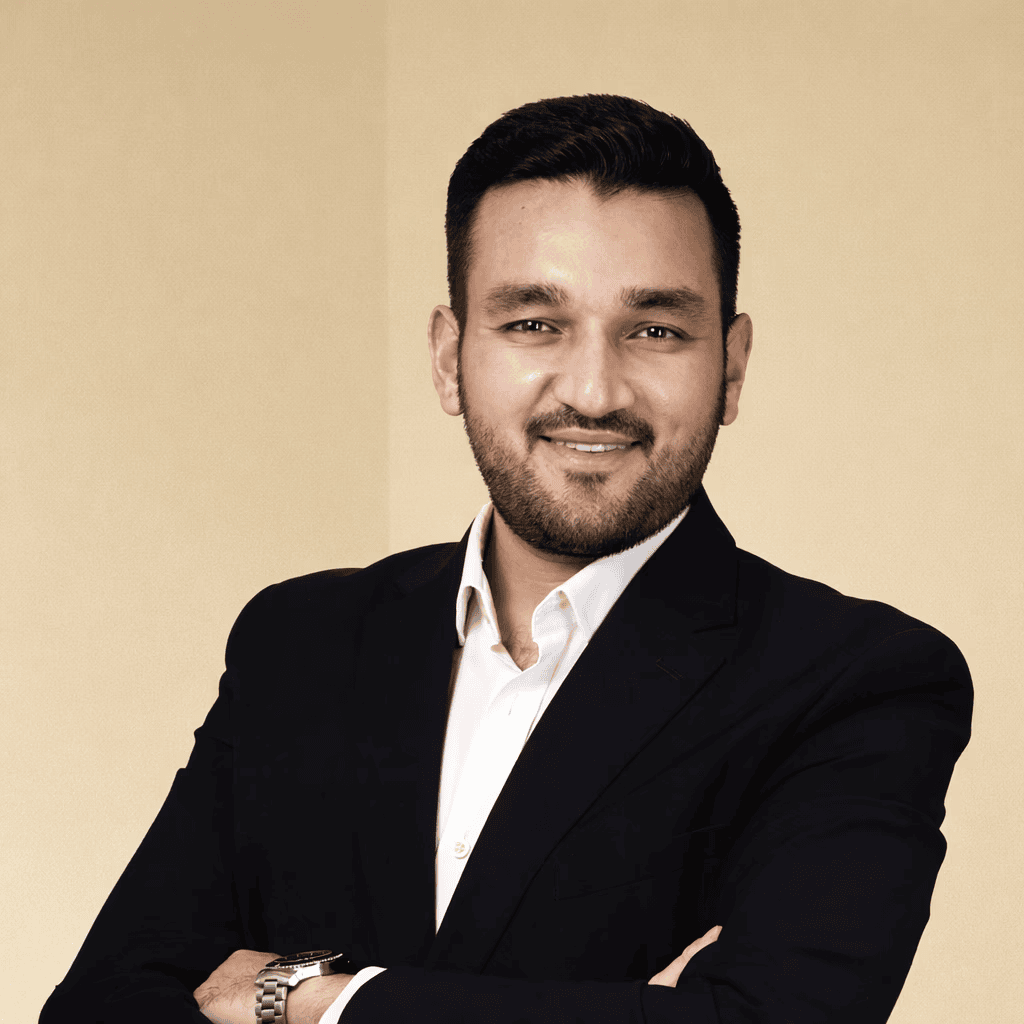
Dr Furqan Raja is a British hair transplant surgeon with a strong surgical background and a practice dedicated to hair restoration, treating patients from his clinic in London. A Member of the Royal College of Surgeons and the IAHRS Dr Raja specialises in both FUE and FUT hair transplantation, with particular interests in advanced FUE, corrective surgery and natural, discreet restoration.
His approach centres on individual surgical planning rather than simply chasing graft numbers. Hairline design, donor preservation and anticipating future hair loss all form part of creating a result intended to remain natural over the long term. Dr Raja has also developed a reputation for discretion, treating a number of high-profile patients, including former England goalkeeper Joe Hart. For patients researching the best hair transplant surgeons in London, Dr Raja offers a surgeon-led approach combining surgical experience, attention to detail and a clear focus on natural-looking hair restoration.
The Harley Street Hair Clinic, London
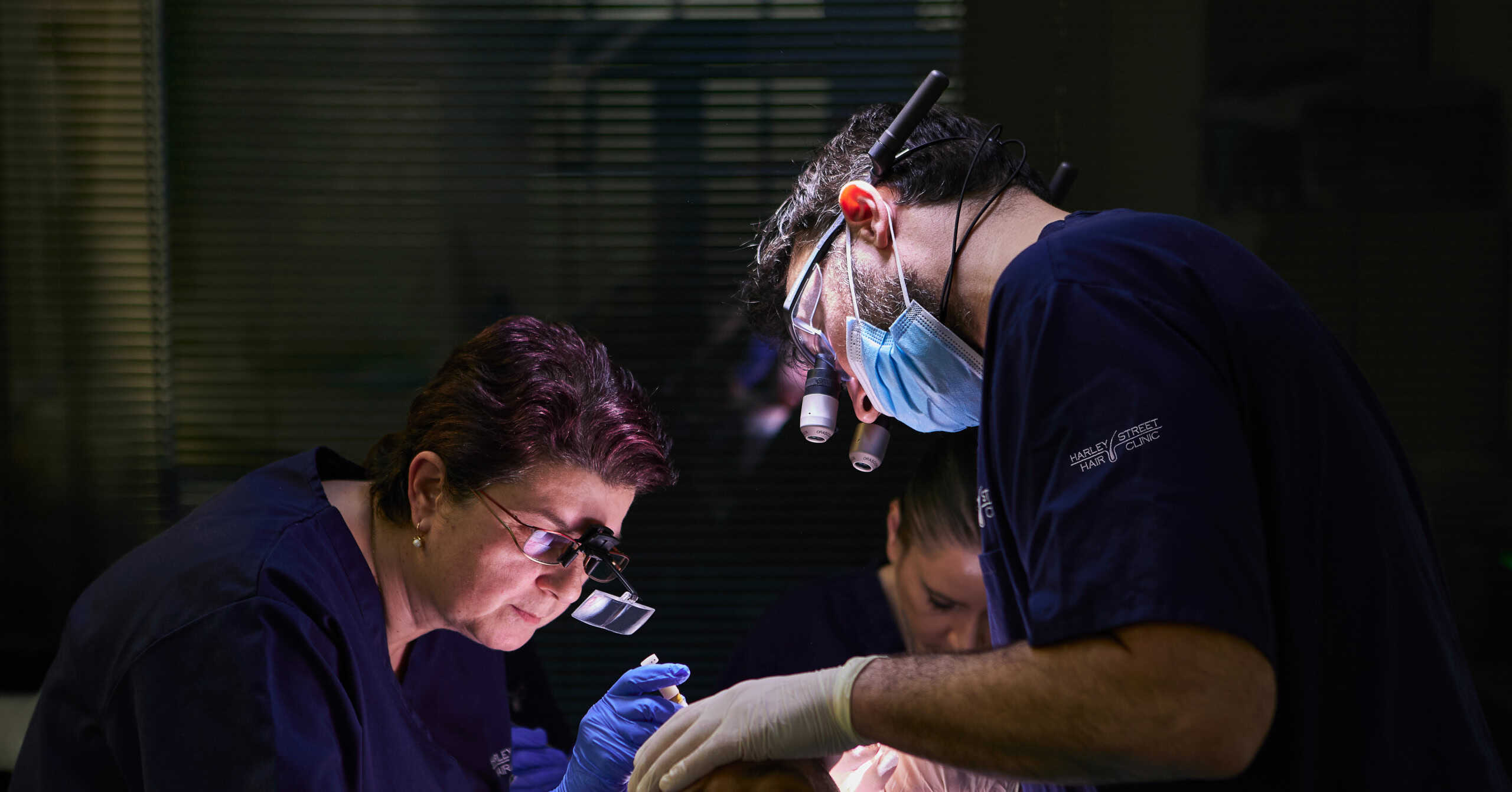
The Harley Street Hair Clinic is one of the UK’s most recognised hair transplant clinics, becoming internationally known after Wayne Rooney openly underwent his FUE hair transplant there in 2011. His decision to speak publicly about the procedure helped bring hair transplantation into the mainstream and changed how many men viewed surgical hair restoration. Based in London’s renowned Harley Street medical district, the clinic has a long-standing focus on FUE hair transplantation, with an emphasis on natural hairline design, careful donor management and individual surgical planning. The clinic is home to two surgeons who are Associate Members of the International Alliance of Hair Restoration Surgeons (IAHRS), Dr Greg Vida and Dr Albena Kovacheva.
After a long and complicated hair transplant journey involving multiple surgeries, The Harley Street Hair Clinic is where I chose to undergo my final hair transplant too. Celebrity patients may have helped establish its profile, but its longevity, experienced medical team and considered approach to FUE are what make The Harley Street Hair Clinic a notable name for patients researching hair transplant surgery in London.
Dr Manish Mittal, Mittal Hair Clinic, London
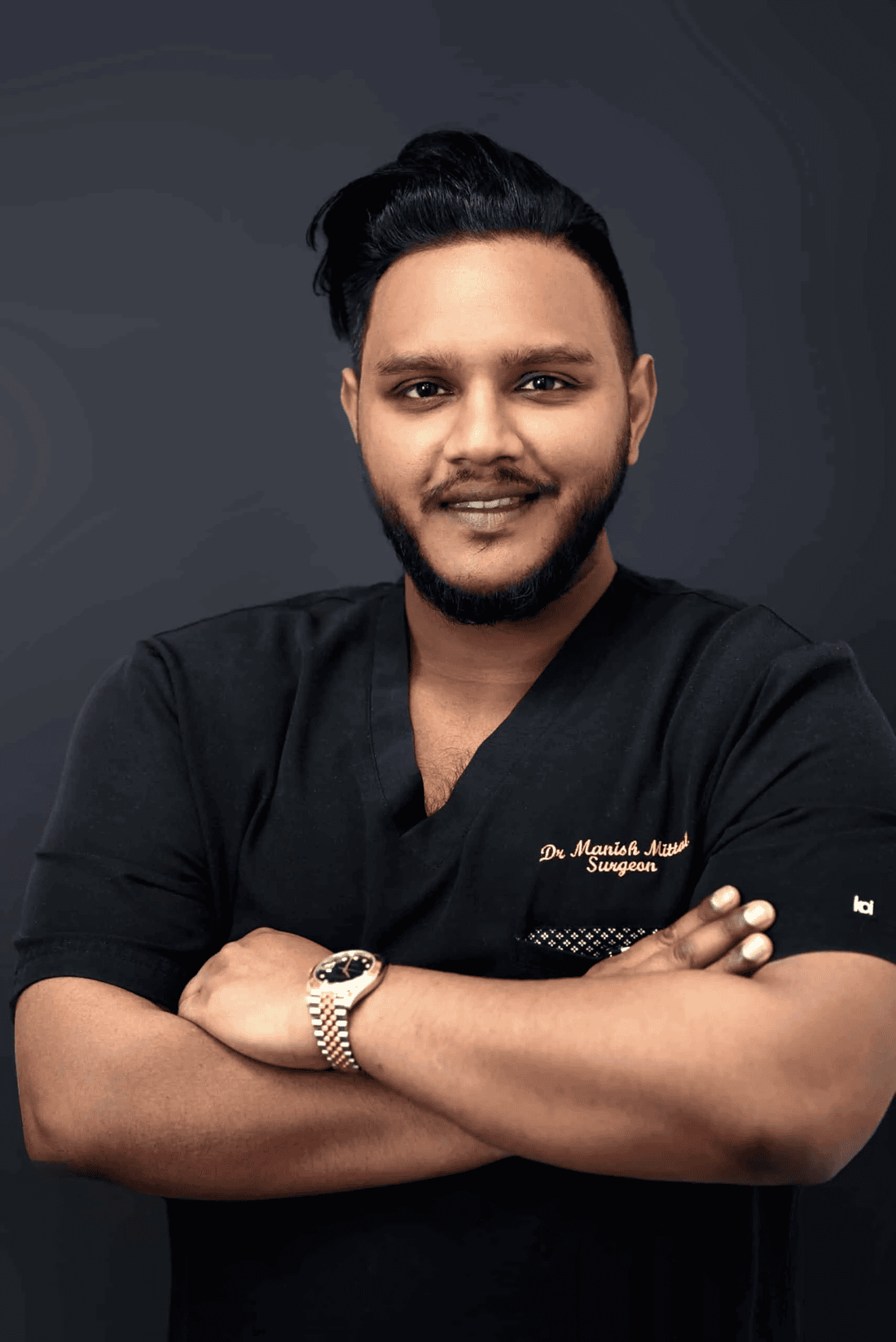
Dr Manish Mittal, known to many patients as Dr Mani, has developed a strong reputation in London hair transplantation for his meticulous, highly personalised approach to FUE surgery.
A defining feature of the Mittal Hair Clinic is its one-patient-per-day philosophy. Rather than operating a high-volume model, Dr Mittal remains personally involved in the key surgical stages, allowing him to focus closely on hairline design, graft selection, density and the long-term management of the donor area. An IAHRS member, his work is particularly recognised for refined, natural-looking hairlines and higher-density restoration, while his approach remains grounded in realistic expectations and careful patient selection. He is also prepared to turn patients away when he believes surgery is not appropriate. For patients researching the best hair transplant surgeons in London, Dr Mittal represents the increasingly important surgeon-led model, where individual planning, attention to detail and continuity of care take priority over volume.
Dr Mondrian Parissis, London
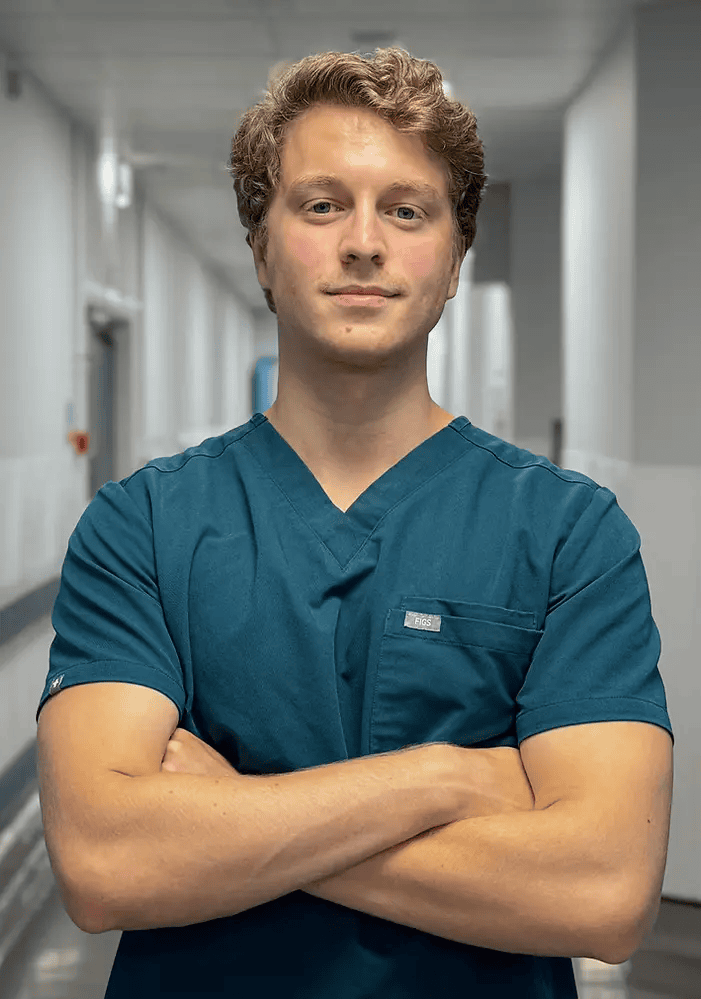
Dr Mondrian Parissis is the founder of Parissis Medical, a dedicated hair restoration clinic in Richmond, London. His route into the field is particularly personal. Having experienced significant hair loss himself, including undergoing FUT surgery, he brings a genuine patient perspective to his work alongside his medical training. A UCL Medical School graduate, Dr Parissis undertook advanced hair restoration training with Dr Blake Bloxham in New York before establishing his own London practice.
Parissis Medical focuses exclusively on hair restoration, offering both FUE and FUT hair transplantation. Dr Parissis personally performs the surgical incisions, including graft extraction and creation of the recipient sites, with particular attention to density, natural hairline design and long-term donor management. His combination of personal experience, surgeon-led care and willingness to utilise both FUE and FUT makes Dr Parissis an interesting option for patients researching hair transplant surgeons in London.
Dr Mark Tam, Harley Street, London
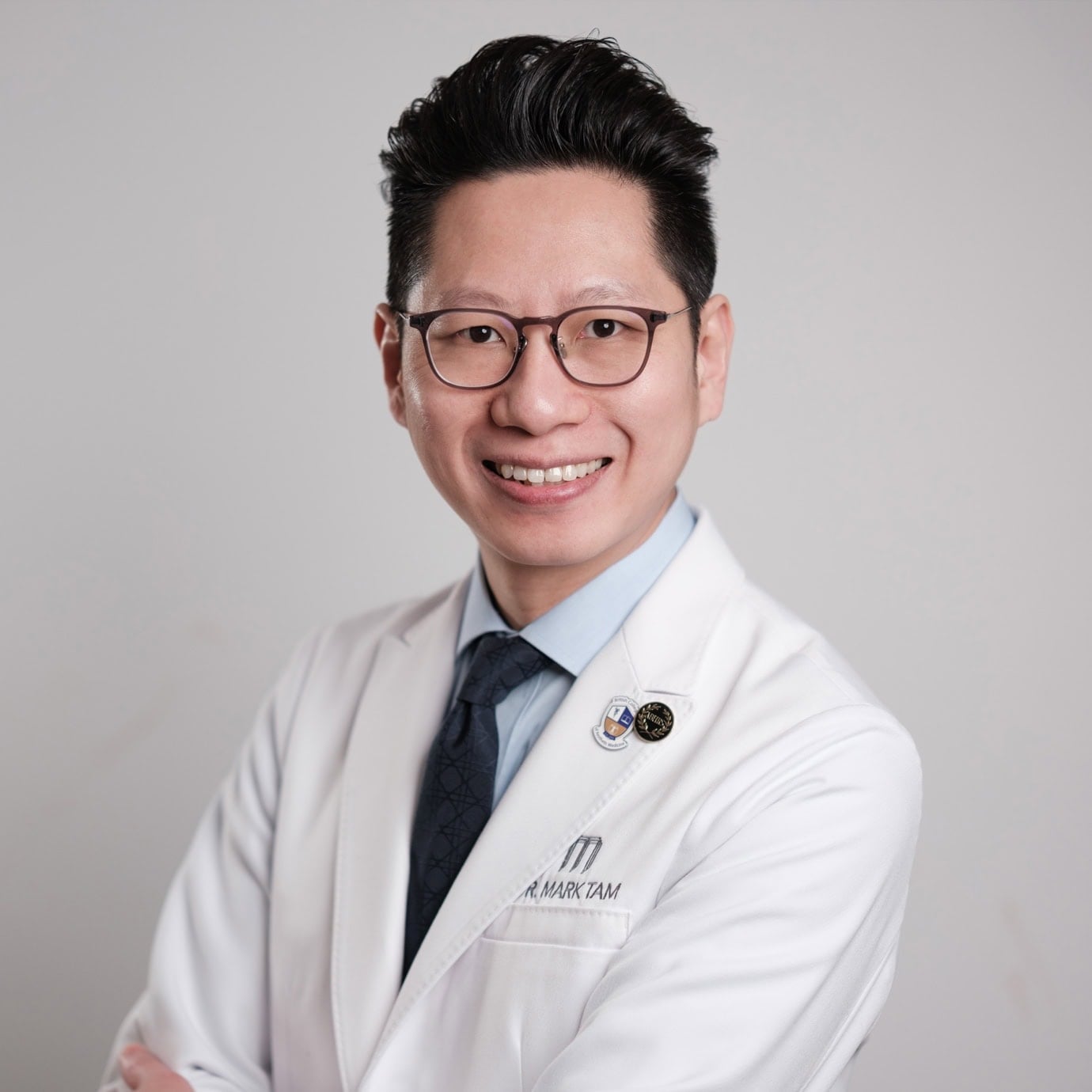
Dr Mark Tam is a London hair transplant surgeon with a practice dedicated specifically to FUE hair restoration from his clinic on Harley Street.
A Diplomate of the American Board of Hair Restoration Surgery, Dr Tam has developed a particular reputation for hairline and temple restoration, where achieving the correct shape, softness and density can make the difference between a result that looks transplanted and one that appears entirely natural. His approach places considerable emphasis on precise graft planning, higher-density placement and careful management of the donor area. Rather than adopting a standardised approach, each procedure is individually designed around the patient’s pattern of hair loss, available donor supply and long-term objectives. Dr Tam offers a highly focused, surgeon-led approach with particular attention to the fine aesthetic details that define natural-looking hair restoration.
The Treatment Rooms, London
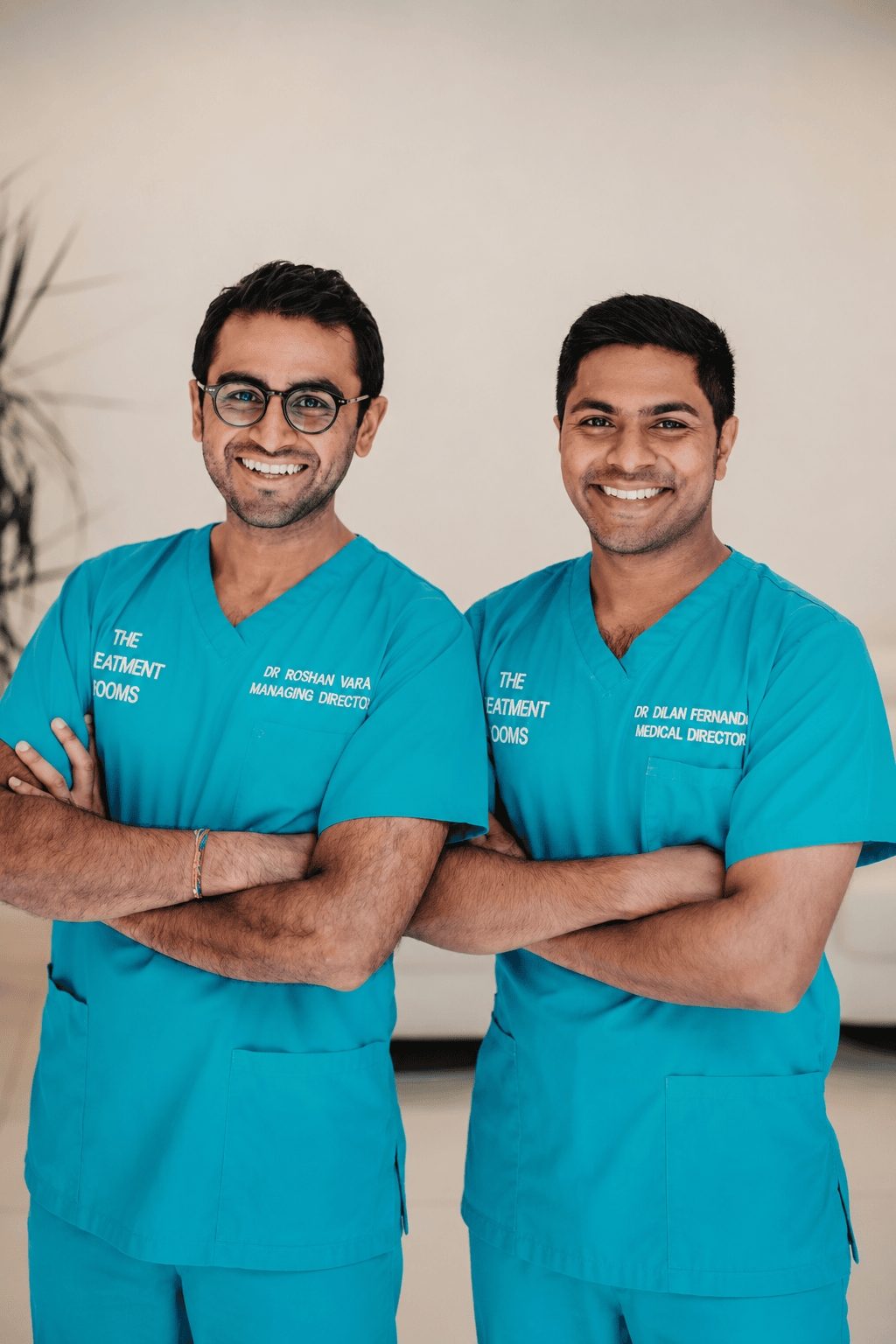
The Treatment Rooms has established itself as a respected surgeon-led hair transplant clinic in Putney, founded by Dr Roshan Vara and Dr Dilan Fernando with a strong emphasis on ethical, personalised hair restoration. A key distinction is the level of surgeon involvement. Patients are assessed and treated by their dedicated surgeon, with Dr Vara and Dr Fernando personally performing the important surgical stages rather than operating a high-volume, technician-led model. The clinic offers both FUE and FUT hair transplantation, with particular emphasis on natural, age-appropriate results, conservative donor management and long-term planning.
The Treatment Rooms has also developed considerable experience in hair transplant repair, including correcting unnatural hairlines, graft removal and donor restoration. This commitment to both patient education and raising standards within the wider industry is an important part of the clinic’s identity. For patients researching hair transplant clinics in London, The Treatment Rooms offers a thoughtful, medically led approach where patient care and surgical responsibility remain firmly with the doctors.
Verified Resources For Further Research
The hair restoration industry is full of conflicting opinions, persuasive marketing and varying standards of care. Don’t get me starting on the hypocrisy. No single clinic, surgeon, organisation or platform has every answer. The strongest position you can take as a patient is to research widely, compare information from multiple credible sources, and make decisions based on evidence rather than persuasion.
My Own Patient-Protection Platforms
Spex Hair is my independent, patient-first platform, built specifically to help people get authenticated, verified information on hair loss and hair transplant surgery, free from clinic sales pressure or commission driven sales. It houses the surgeon vetting process behind guides like this one, along with detailed patient resources, a surgeon directory and honest, first-hand reporting.
The Hair Loss Lab takes that same patient-first philosophy further through in-depth interviews with internationally recognised surgeons, researchers, clinicians and patients. Covering everything from medical therapy and regenerative medicine to surgical hair restoration, it’s designed to give people transparent, evidence-based education on both the opportunities and the limitations of modern treatments the kind of nuance that gets lost in a thirty-second advert.
I Sit Down With Chris Beastall (Ape’s Founder) to Discuss Education in this industry
I sat down with Chris Beastall, founder of Ape to Gentleman, to discuss why responsible education matters so much in the hair loss and hair transplant space. From Chris’s perspective, Ape to Gentleman has always been about giving men credible, independent information that helps them make better decisions, particularly when those decisions can have permanent consequences.
We discuss why the publication has supported this guide for the past seven years, the responsibility that comes with recommending surgeons, and why commercial influence can never dictate who appears on the list. Chris also shares his perspective on the trust the guide has built, from surgeons displaying the Ape to Gentleman seal in their clinics to readers who have reached out to explain just how significant the information has been to them.
It is a candid conversation about education, transparency and why putting the patient first remains at the heart of everything this guide represents.
The Bottom Line
Hair loss can make intelligent people impatient. It can make cautious people impulsive. It can convince someone that the next clinic, the next treatment or the next transformation photo holds the answer.
There’s no need to be ashamed of that feeling. But there’s every reason to protect yourself from making a permanent medical decision while you’re in the grip of it.
London gives you access to some genuinely excellent hair-restoration doctors. It also sits inside a global industry that’s getting louder, faster and more commercial by the year. Your greatest protection isn’t a particular technique, clinic or influencer. It’s education which is exactly what this guide, ApetoGentleman Spex Hair and The Hair Loss Lab all exist to give you.
Slow the process down. Understand that hair loss is progressive. Protect your donor supply. Get more than one qualified opinion. Question marketing claims. Know who will perform your surgery. Think beyond the next twelve months. And be willing to walk away.
A successful hair transplant shouldn’t just look good when it grows in. It should still make sense when your life and your hair loss have moved on. That’s the standard I think patients should demand. It’s the standard this guide, and everything I do through Spex Hair and The Hair Loss Lab, is built to help you pursue.
Educate. Collaborate. Elevate.