Why Are Clothes So Expensive Now (And What’s Still Worth The Money)?
Buying clothing and footwear at full price is becoming increasingly difficult to justify. The rising cost of living is now felt in all aspects of life, and your wardrobe is no exception. Why? In short, clothes are global products – cotton from one country, spun in another, sewn together somewhere else and then shipped across oceans – and each step of the process is getting more expensive all the time. For you, the consumer, that means an inflated price tag.
It’s a development that has forced the market’s hand, and as a result, vintage shopping and reselling apps are experiencing a huge boom. But is there still an argument to be made for spending big lump sums on shiny new things? We’d argue yes… you just have to be pickier about it now.
With that in mind, we’ve been thinking about which pieces are still worth splurging on in this economic climate. The common threads that tie them all together are longevity, versatility and craftsmanship. From handmade footwear to tailor-made suiting, here are the items we’d still fork out on.
Handmade Dress Shoes
Velasca
-
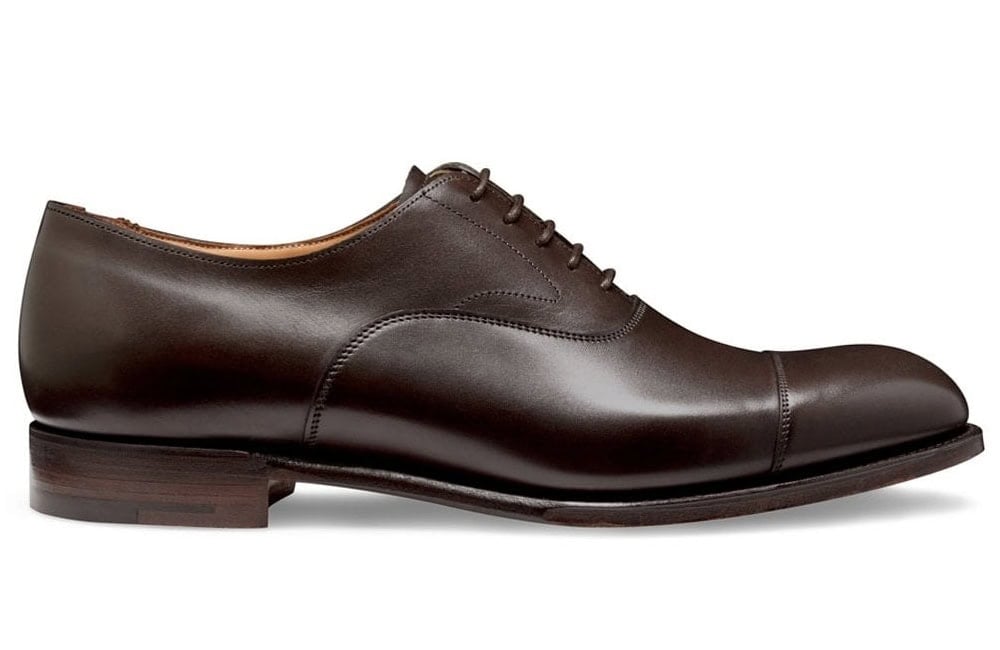
- Cheaney Alfred Capped Oxford
-
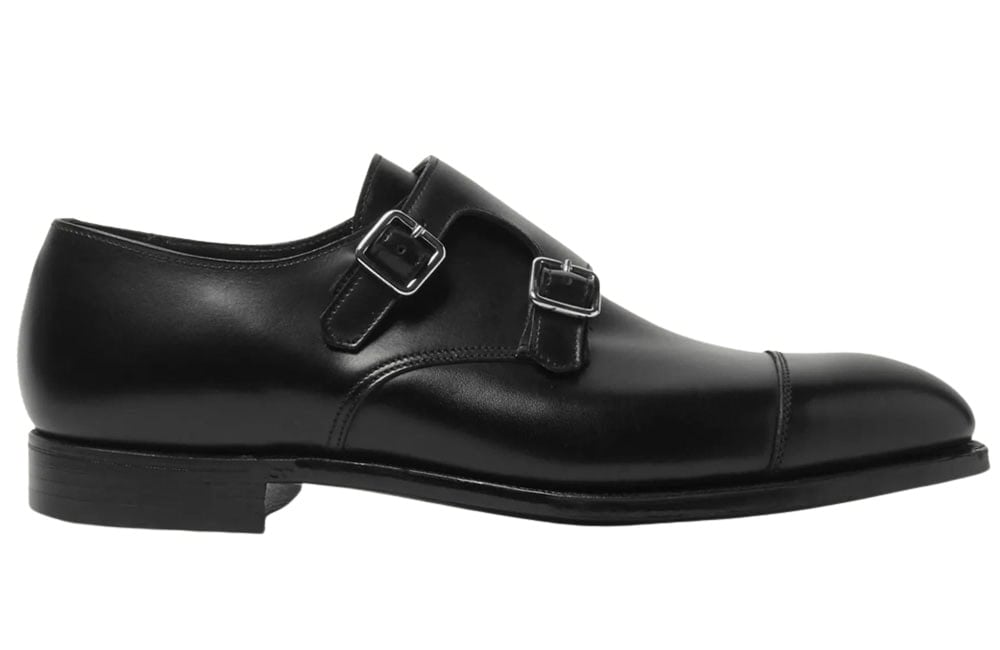
- George Cleverley Thomas Cap-Toe Leather Monk-Strap Shoes
-
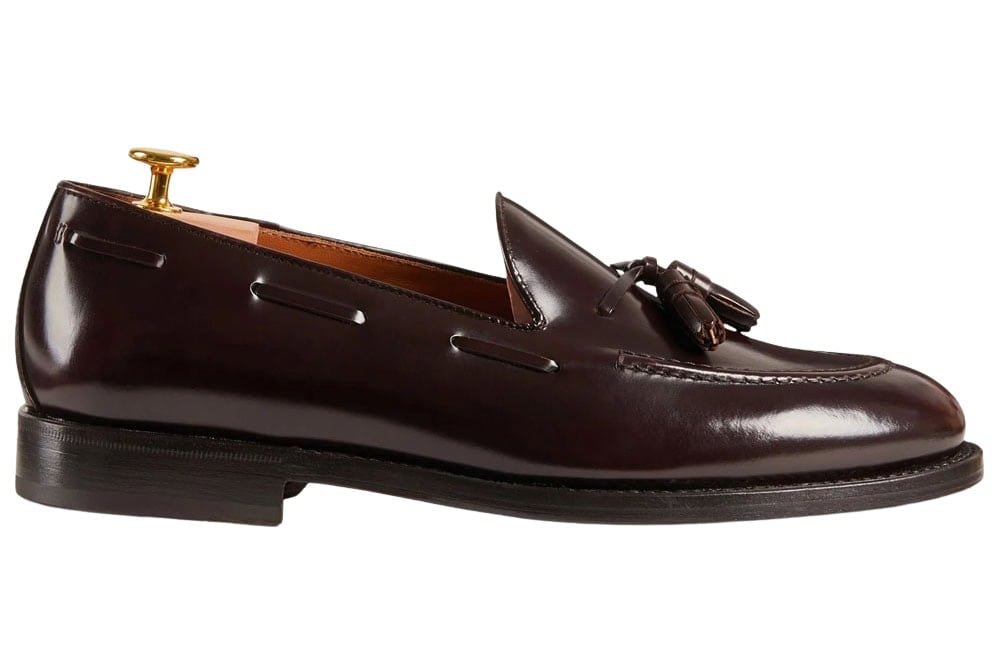
- Velasca Cadregatt
-
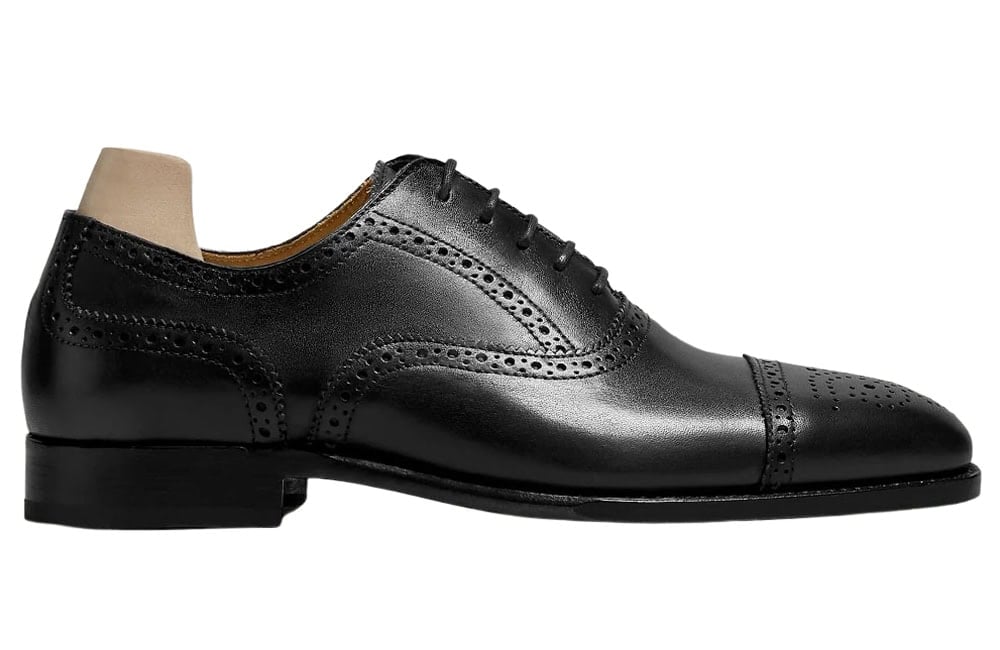
- Myrqvist Strömsö II
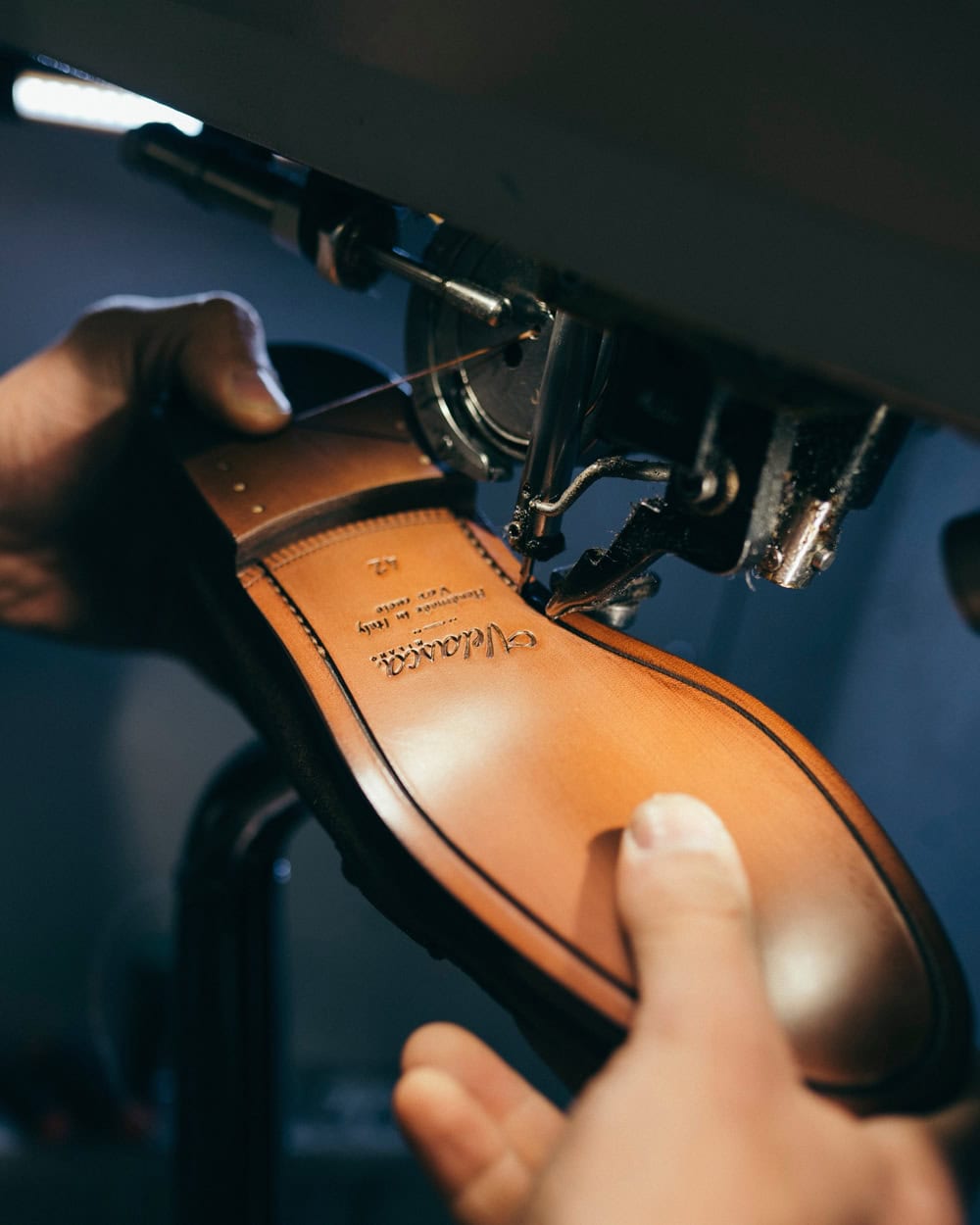
Every man should own a proper pair of dress shoes. Buy from a brand with the heritage to back it up and it won’t be cheap, but you’re not just paying for aesthetics here – it’s all about the build quality.
A pair of handmade shoes from a historic Northamptonshire maker, such as John Lobb or Cheaney, will be made using traditional techniques that hold up over long periods of time, allowing for easy repairs and resoling.
This means that you could have the same pair for life if you look after them properly, making the lofty price tag a bit easier to stomach.
Cashmere Knitwear
Luca Faloni
-
- Velasca Spello
-
- Besnard Navy Herringbone Cashmere Scarf
-
- Luca Faloni Shawl Cardigan
-
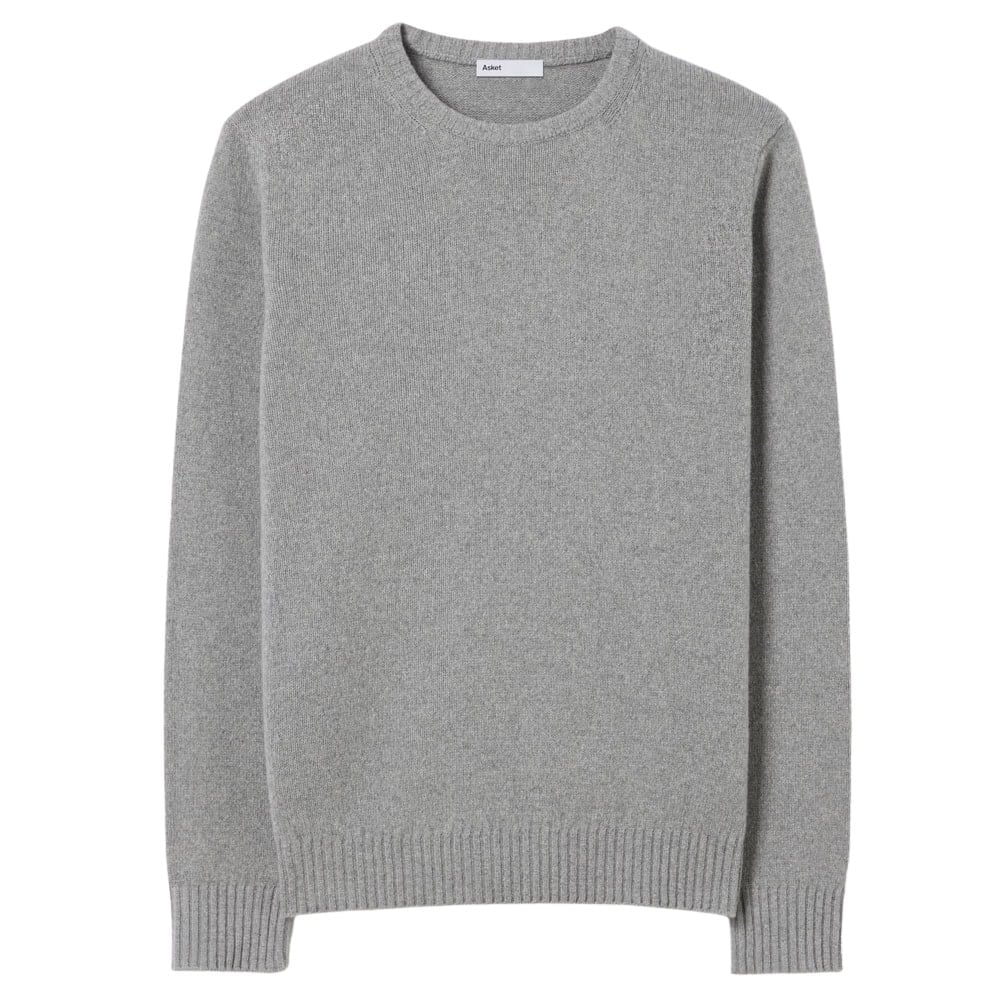
- Asket The Cashmere Sweater
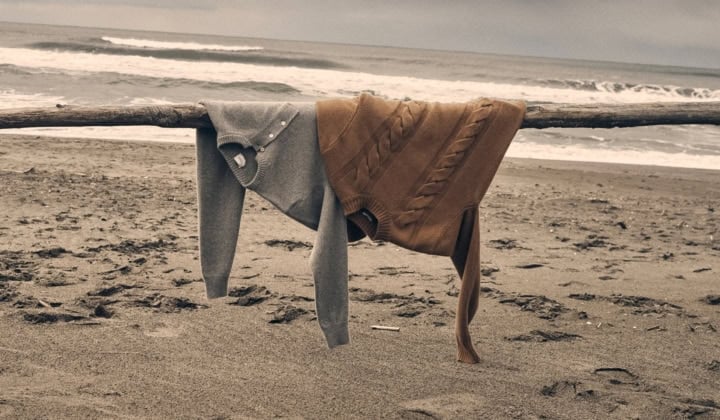
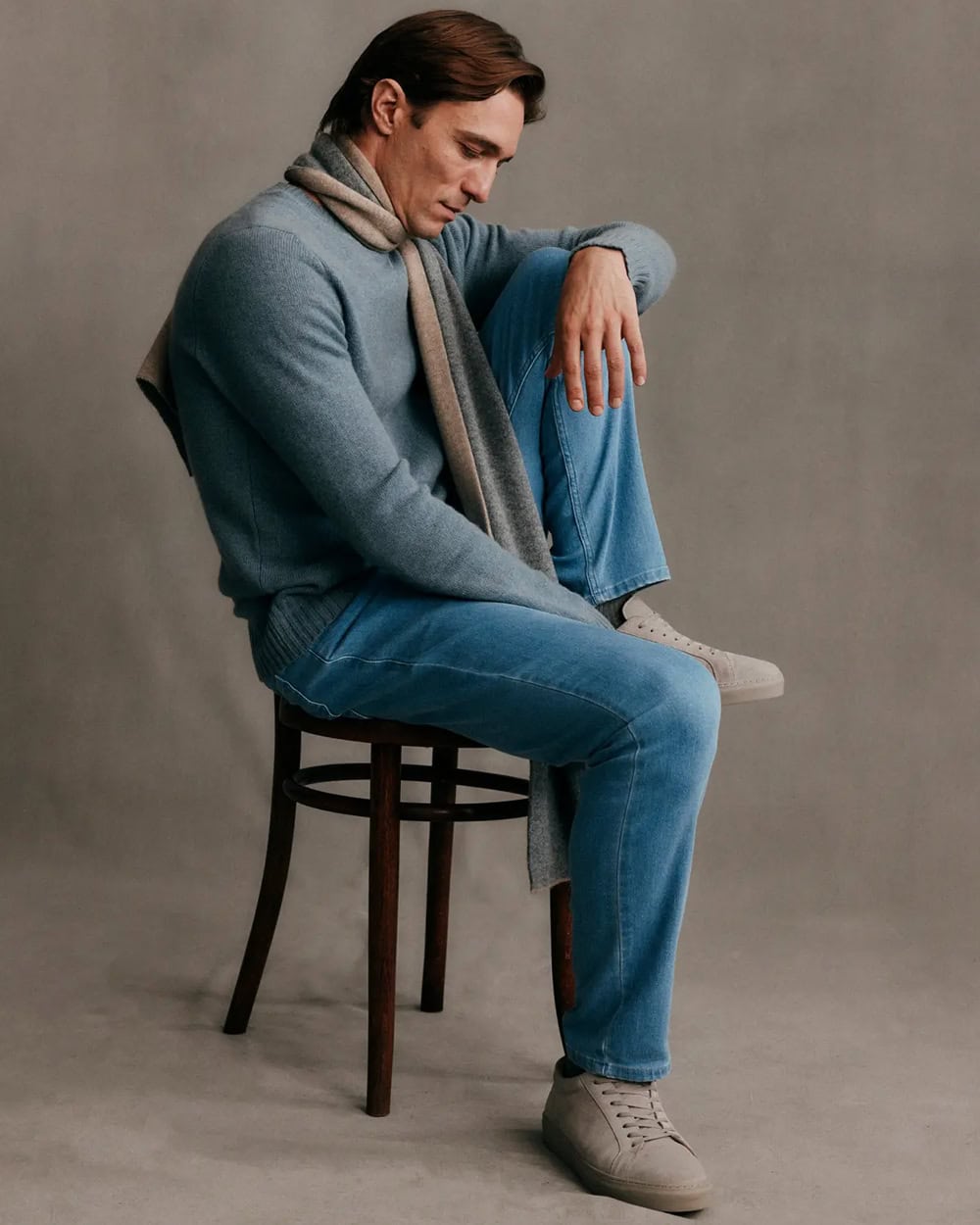
Somewhere along the line, luxury became more about conveying a certain image to others than about pure enjoyment for the individual. A good piece of cashmere knitwear is one of those purchases that shifts that balance back and prioritises the wearer. It’s soft, it feels indulgent, and, depending on the piece, it can be dressed up or down, maximising versatility.
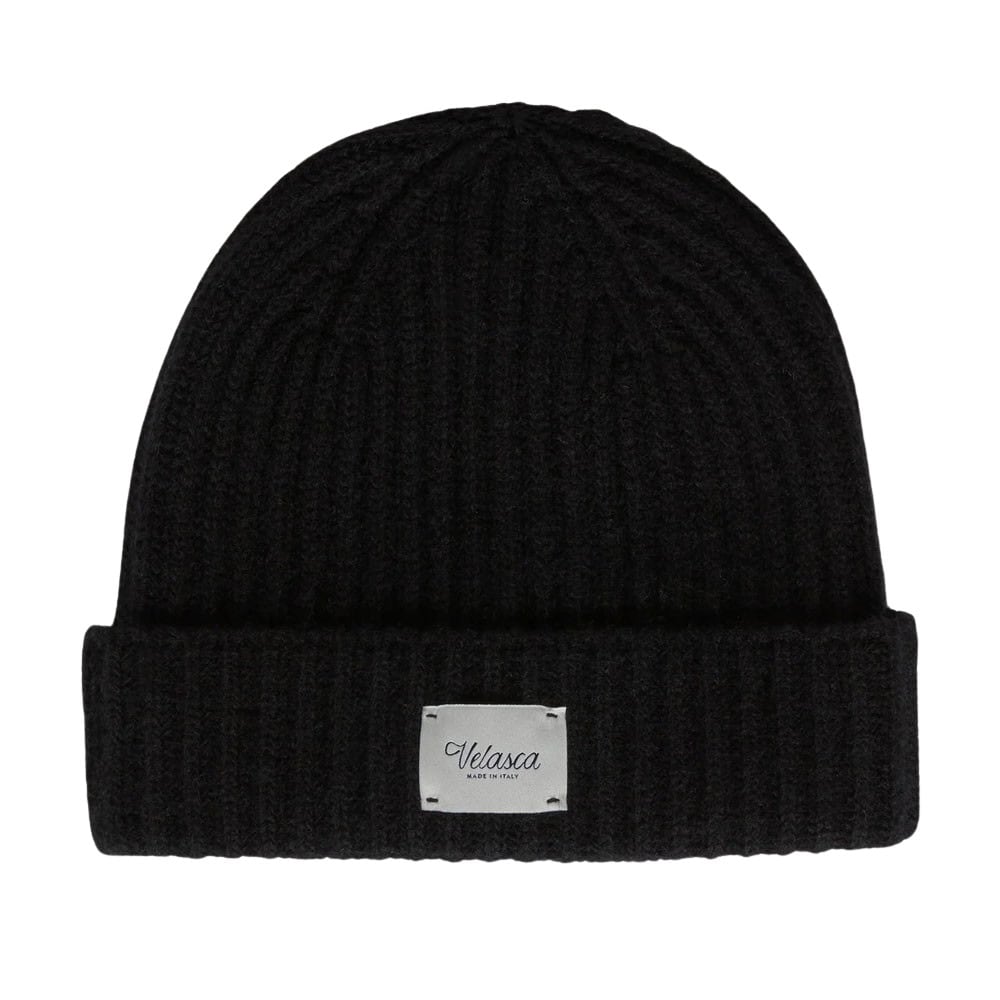
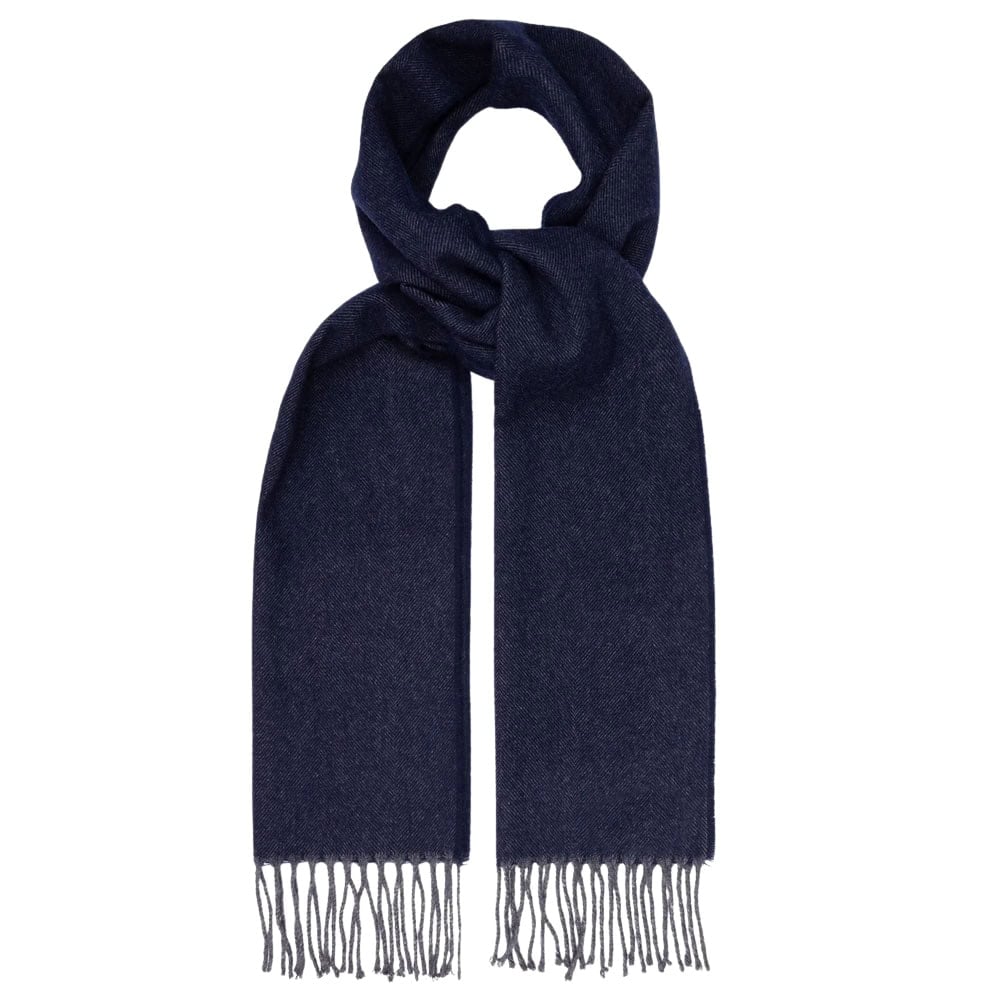
There are a few ways to play this one. You could go for an accessory, such as a beanie or a scarf, which is a cost-effective way to work this premium fabric into all sorts of outfits.
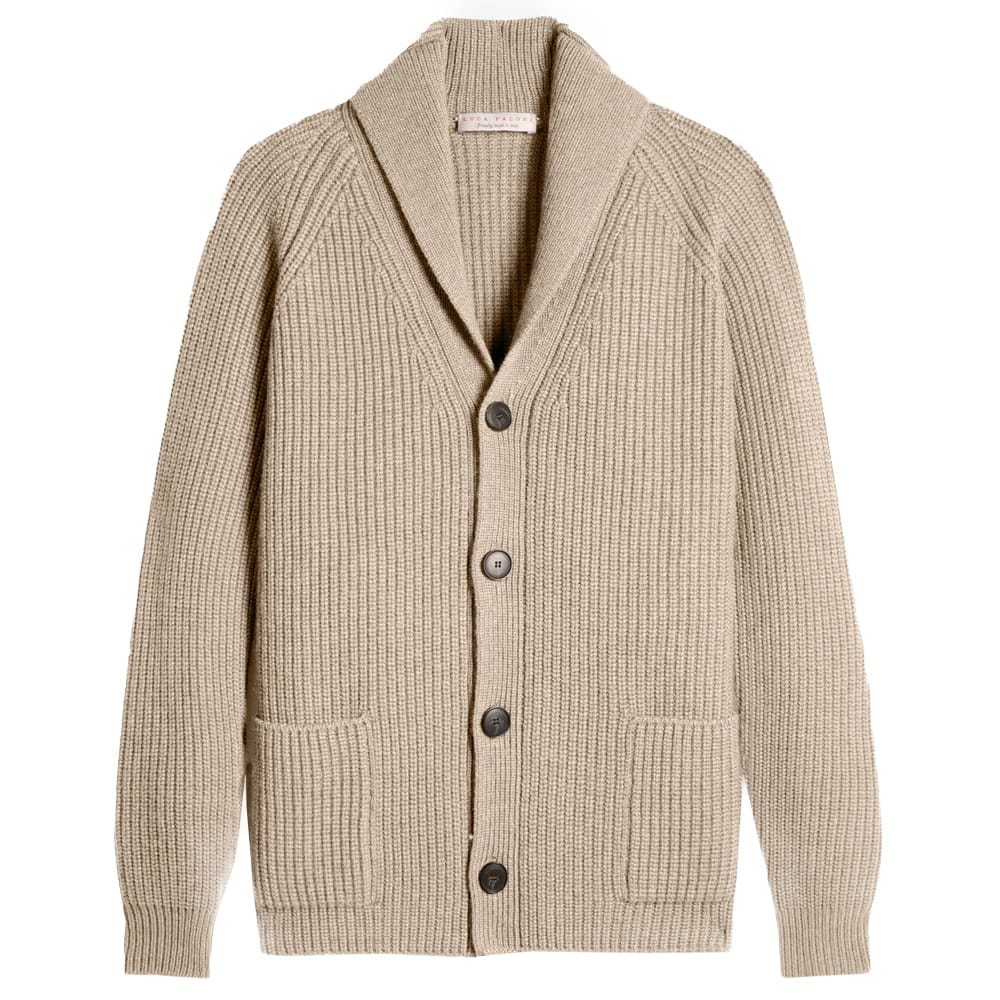
Another option is to spend a little more on a simple crew-neck knit or a neutral-coloured cardigan that can be worn across most of your wardrobe.
Wool Overcoat
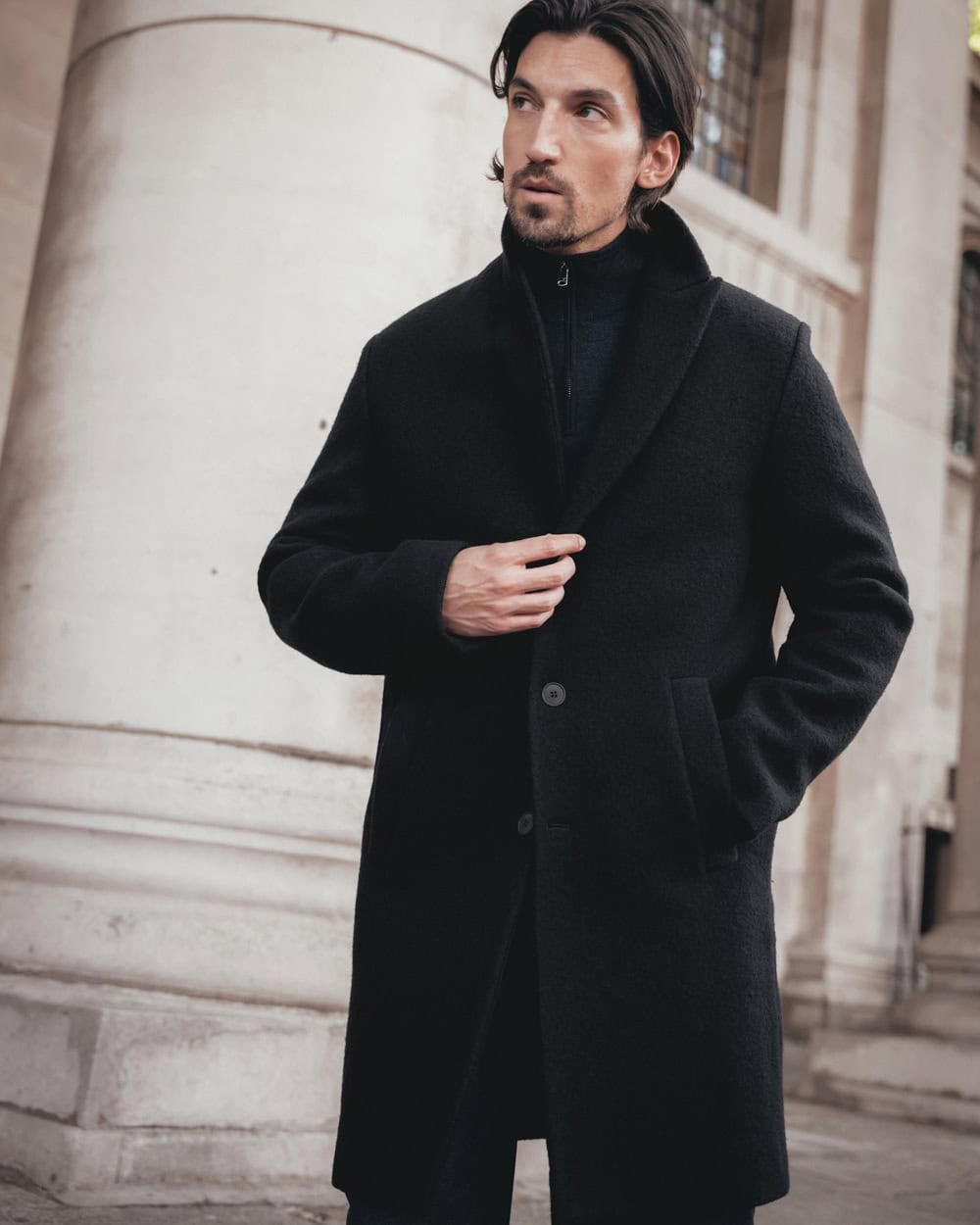
Lestrange
-
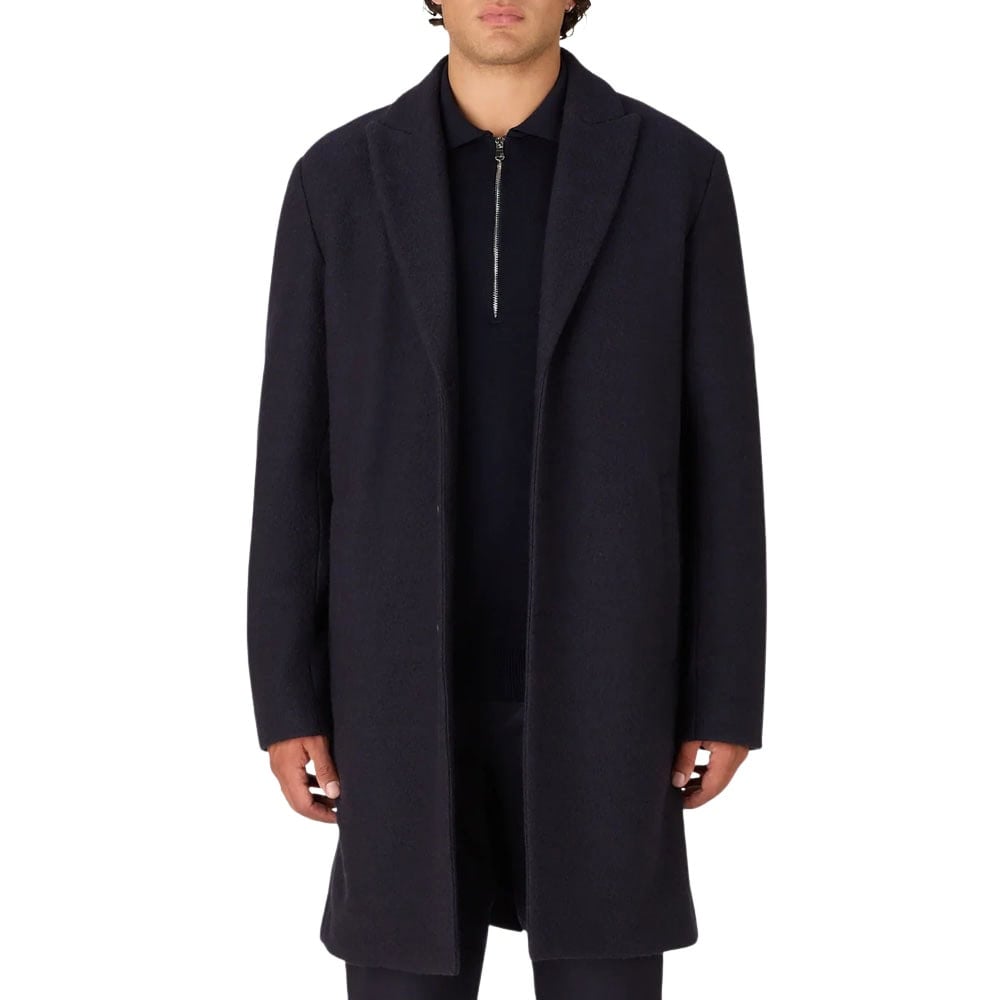
- Lestrange The Jersey Wool Coat
-
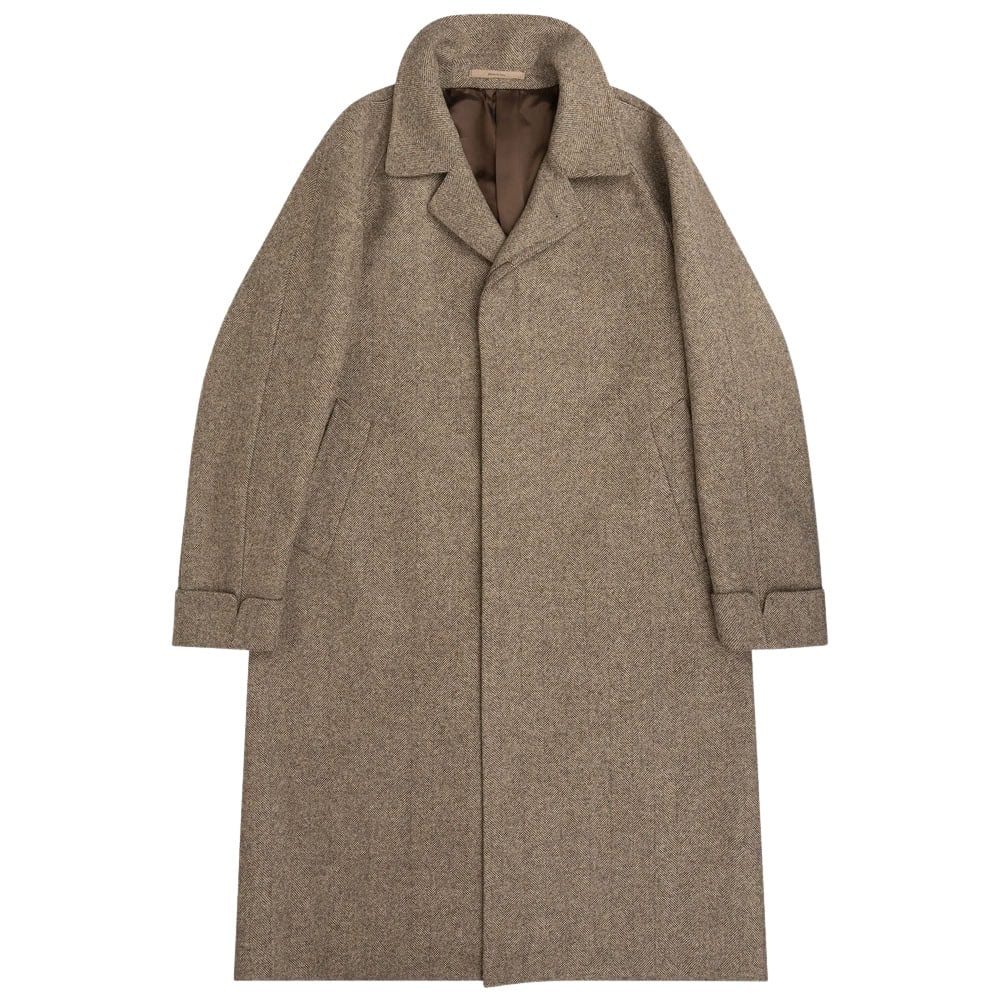
- Besnard Light Brown Herringbone Raglan Coat
-
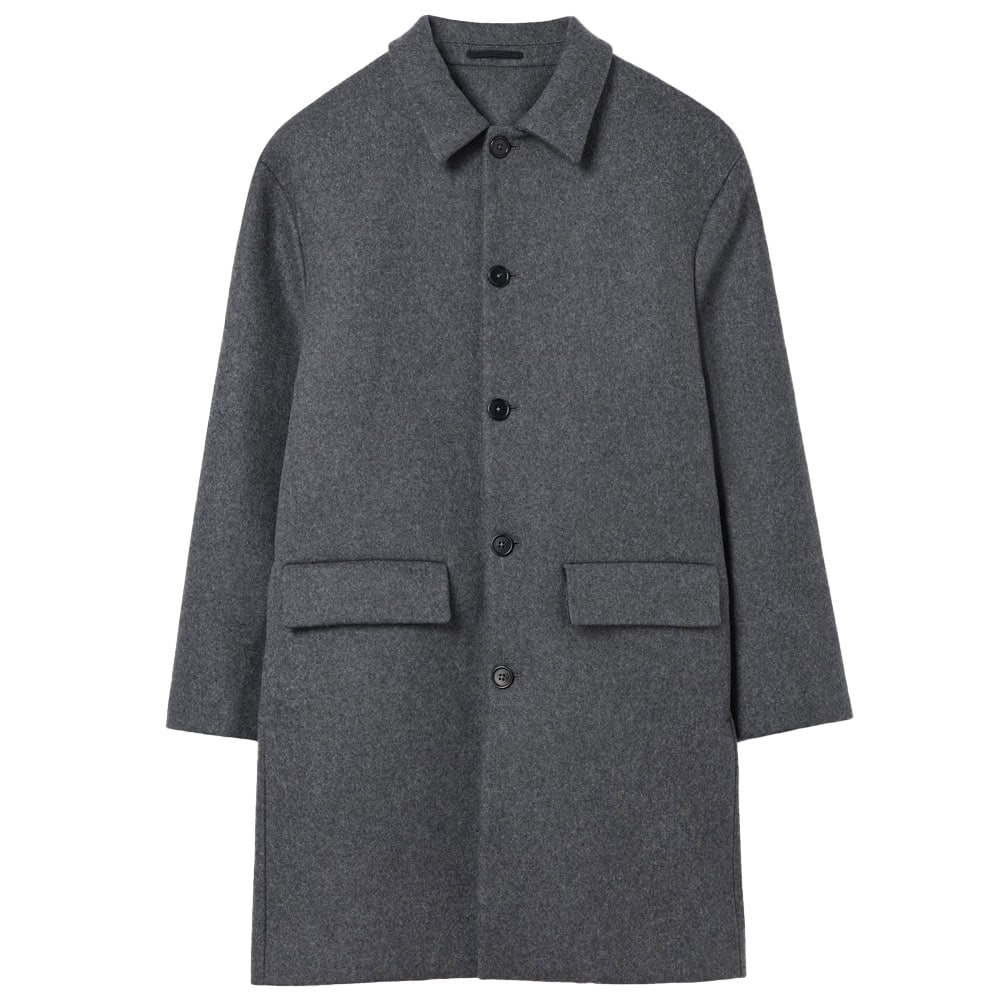
- Asket The Wool Coat
-
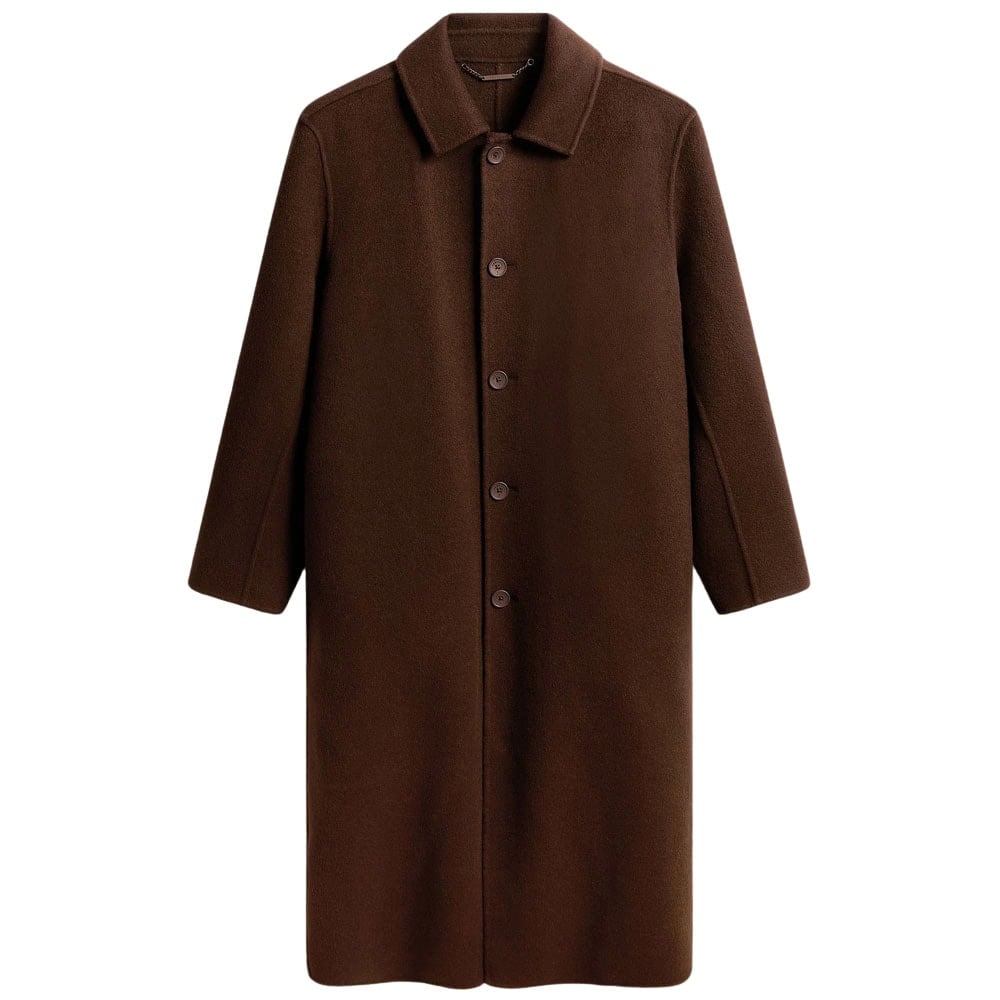
- Percival Minnesota Overcoat
Another high-end purchase that will earn its keep over the decades, a classic wool overcoat is one of menswear’s truly transformative garments. Its presence can dramatically shift the vibe of an outfit, turning a nondescript combo of boring basics into something that looks intentionally styled.
Our advice would be to go for something slouchy rather than fitted. This way you increase the scope of what it can be worn with, leaving the door open to casualwear as well as tailoring.
Raglan sleeves are always a good idea, as they work with a variety of body shapes and give the coat a nice, relaxed silhouette.
Japanese Denim
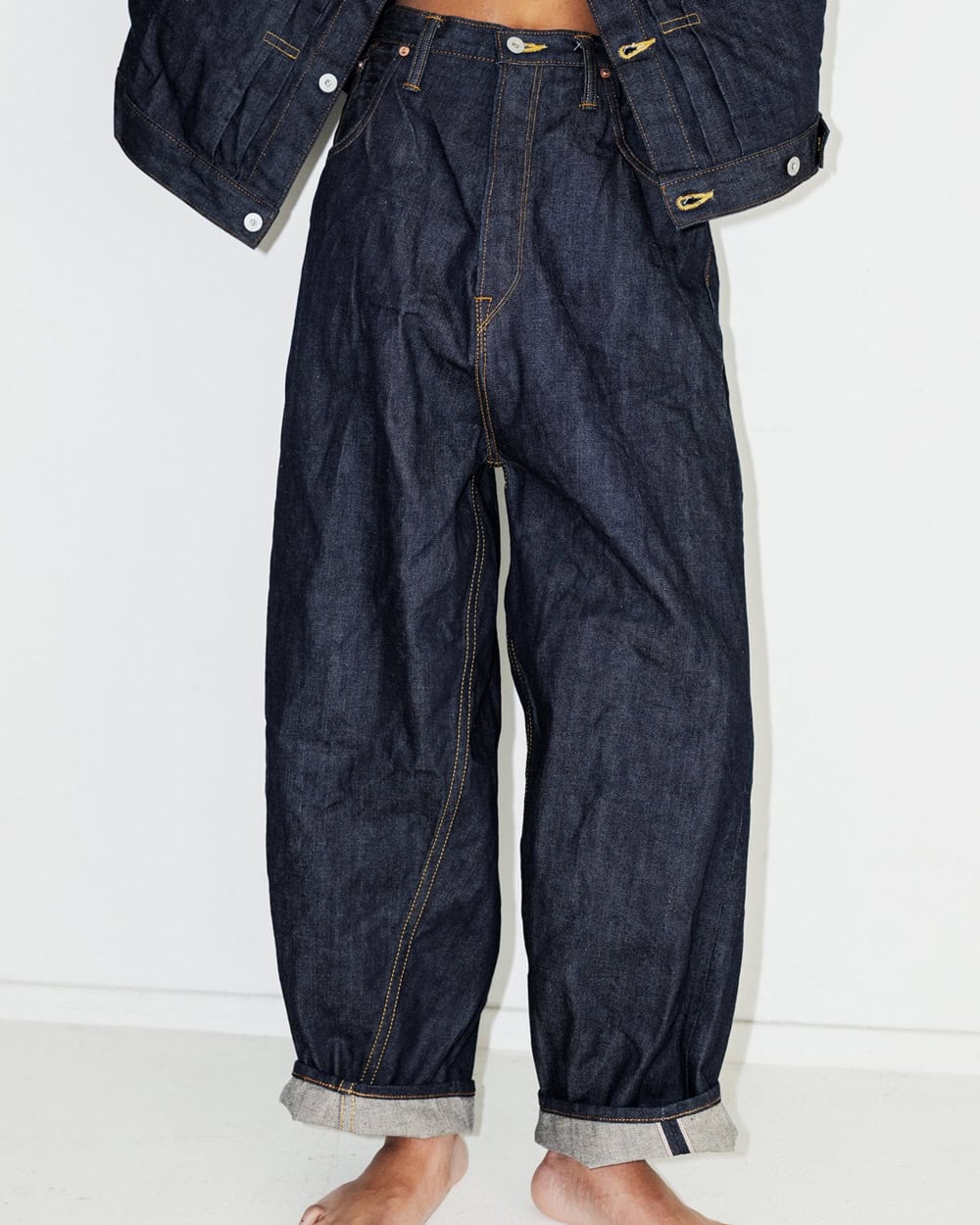
Edwin
-
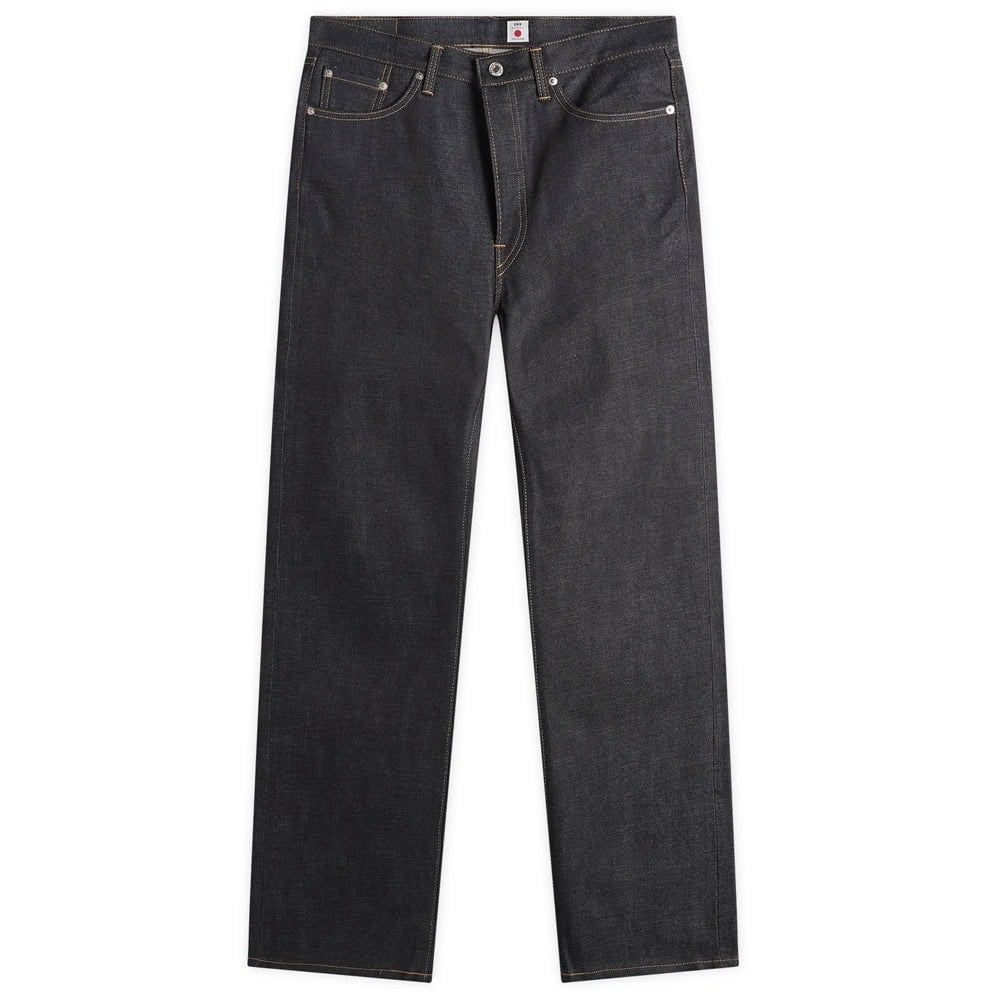
- Edwin Regular Straight
-
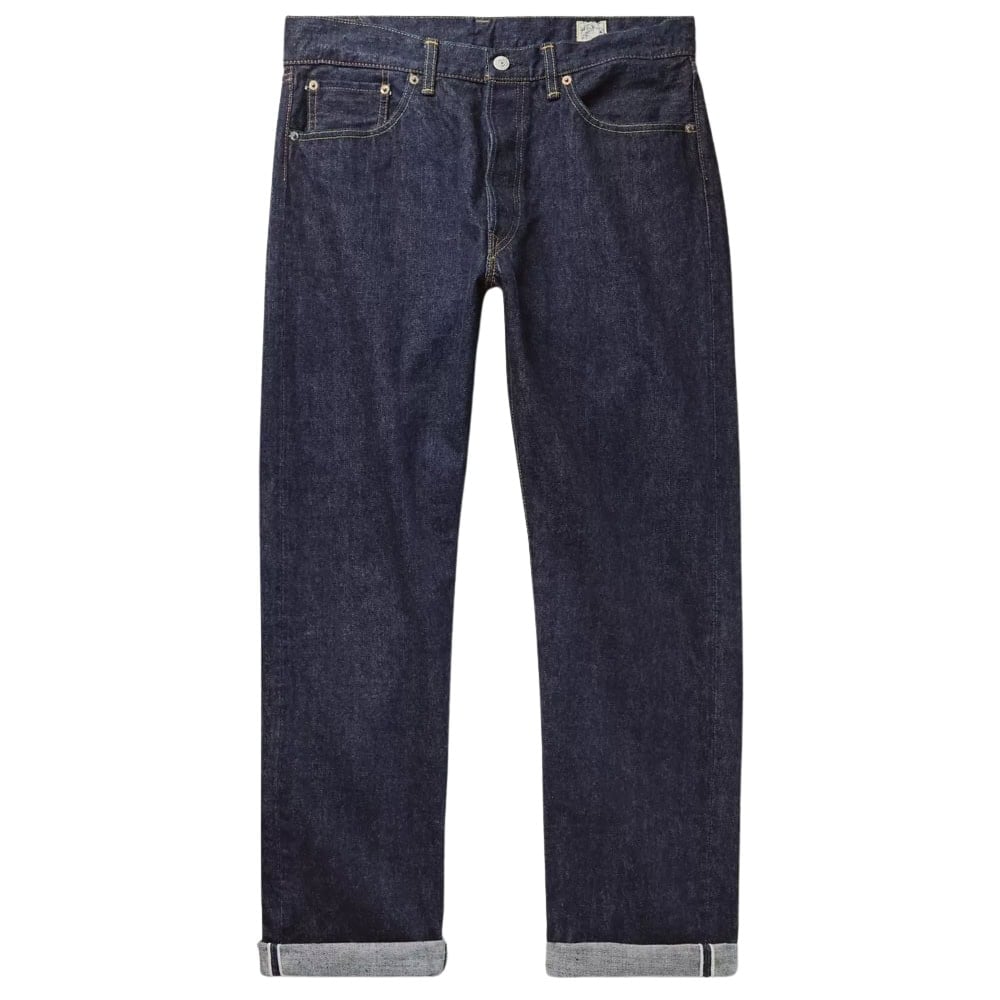
- ORSLOW 105 Selvedge Denim Jeans
-
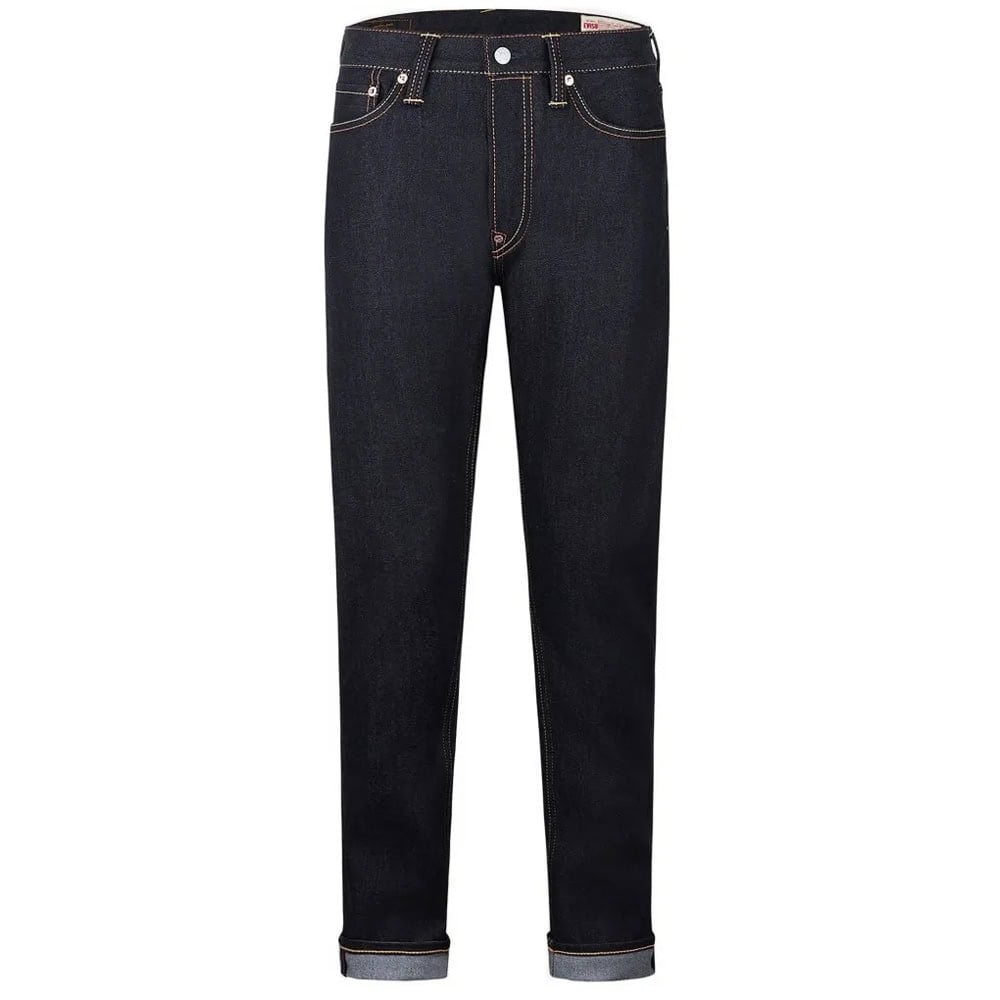
- EVISU Seagull-print Tapered Jeans
-
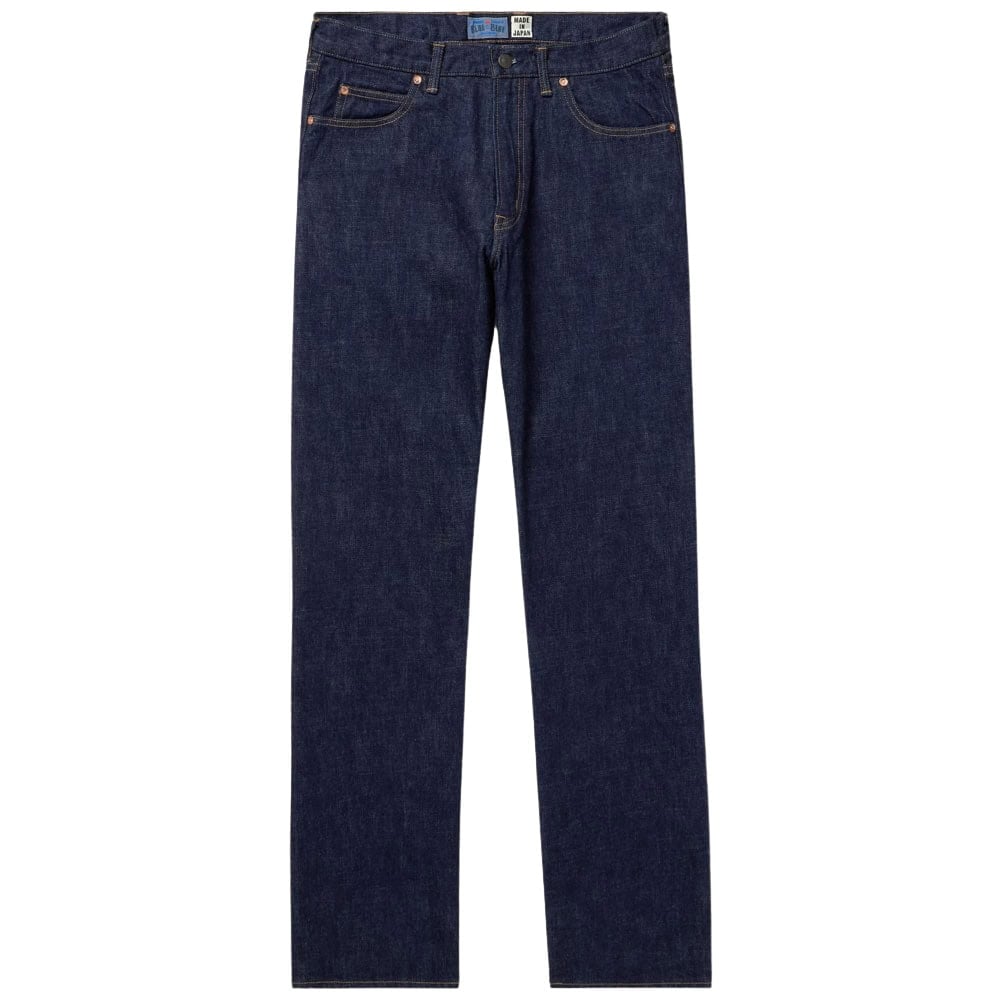
- BLUE BLUE JAPAN Straight-Leg Selvedge Jeans
The Americans might have invented jeans, but it was the Japanese who perfected them. Produced on vintage shuttle looms using slower, more deliberate methods, Japan’s denim is famously robust, rich in texture and capable of producing exquisite fades and whiskers over time.
The raw stuff in particular rewards patience. It starts stiff, softens with wear, and develops unique fade patterns that are yours. Expensive? Sure, but this is ultimately about buying into a process.
One good pair, worn often, will outlast and outperform a whole stack of cheaper alternatives.
Goodyear-Welted Boots
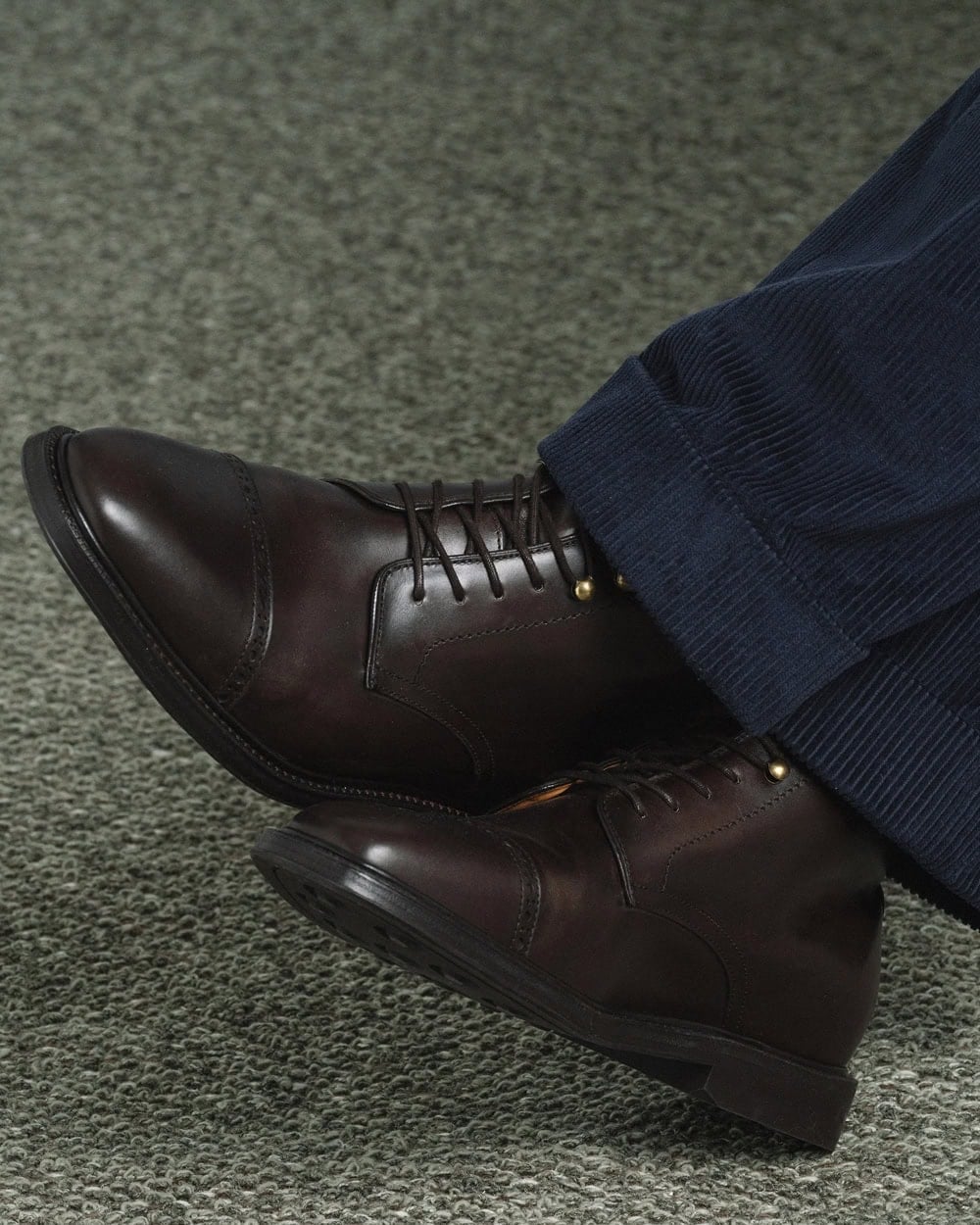
Myrqvist
-
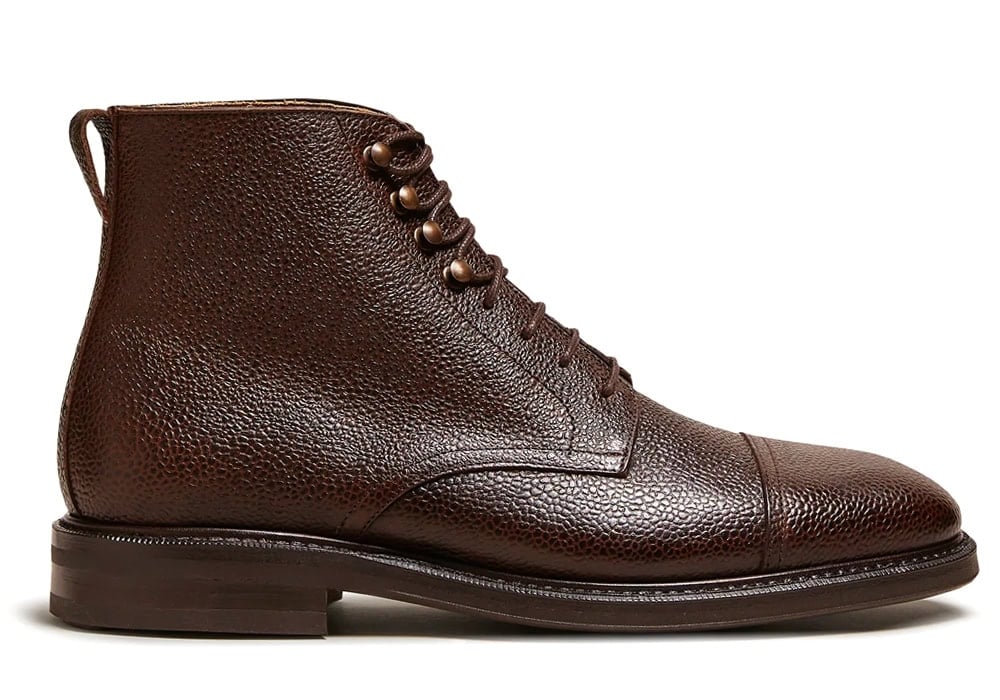
- Myrqvist Abisko
-
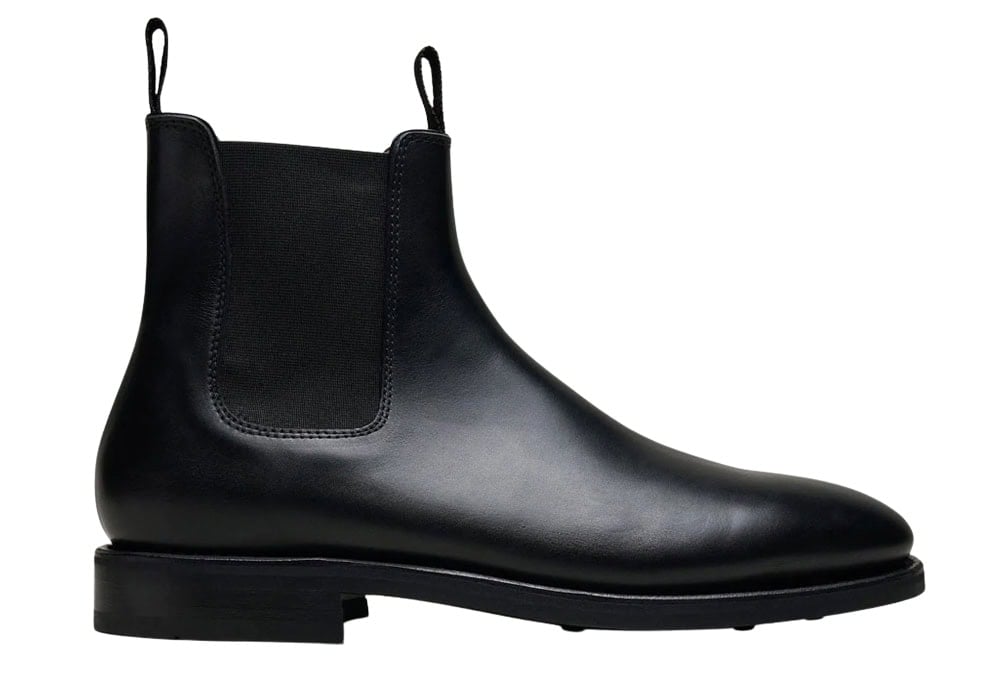
- Morjas The Chelsea Boot
-
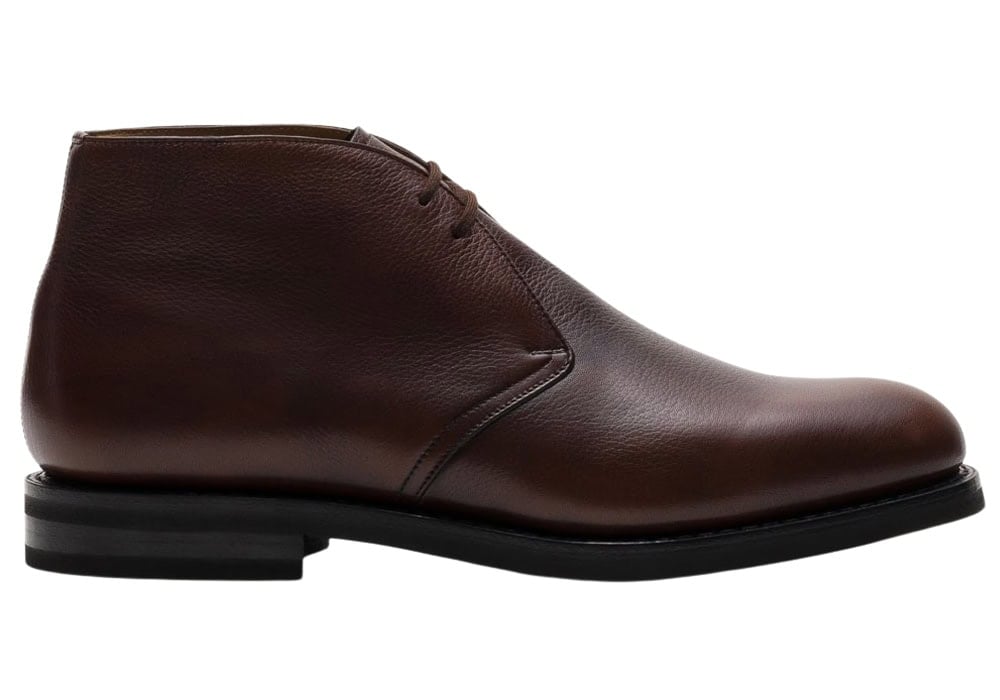
- Church’s Ryder LW
-
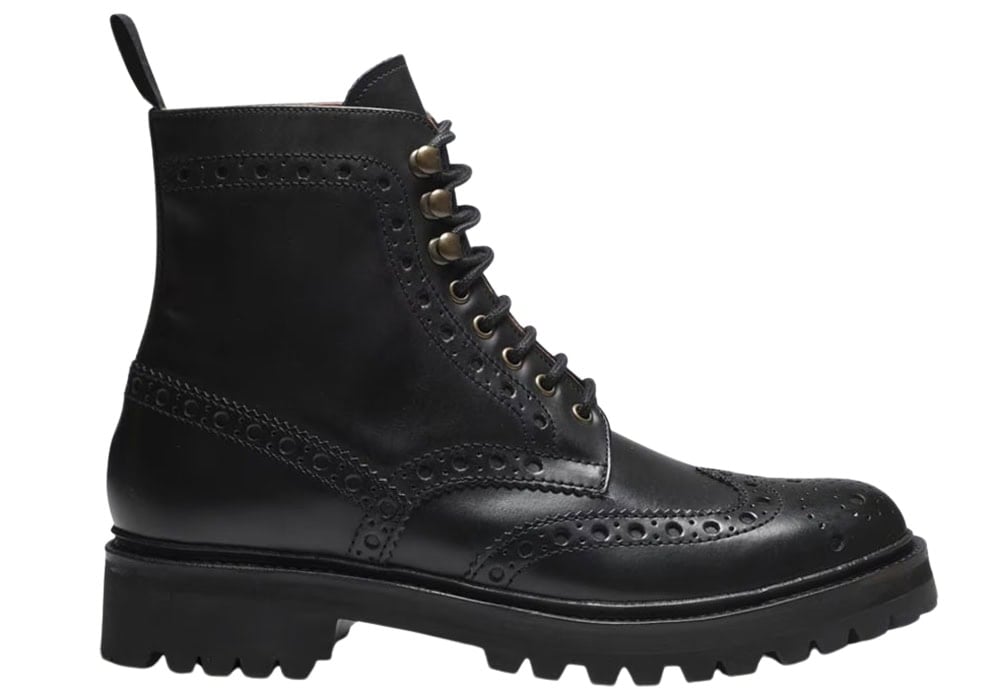
- Grenson Fred
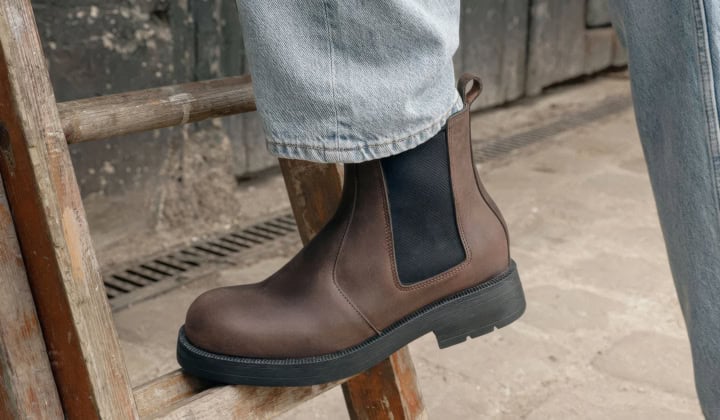
There’s a lot of talk around construction methods, but this is the one that actually matters when it comes to footwear. A Goodyear welt allows the sole to be replaced without compromising the upper, which is what gives these boots their longevity.
A rubber outsole (even a high-end one) will wear down long before the leather does, so if you can put a new sole on, you can extend the boot’s lifespan by literally decades.
They’re not always the most comfortable out of the box, but proper boots are about the long haul anyway. Over time, the leather softens, the footbed moulds, and they become uniquely yours.
In practical terms, they’re also just more robust. Better in bad weather, better on rough ground, better for everyday wear.
A Bag For Life
Mismo
-
- Mismo M/S Supply
-
- Velasca Valìsa
-
- Bennett Winch Logo-Debossed Full-Grain Leather Weekend Bag
-
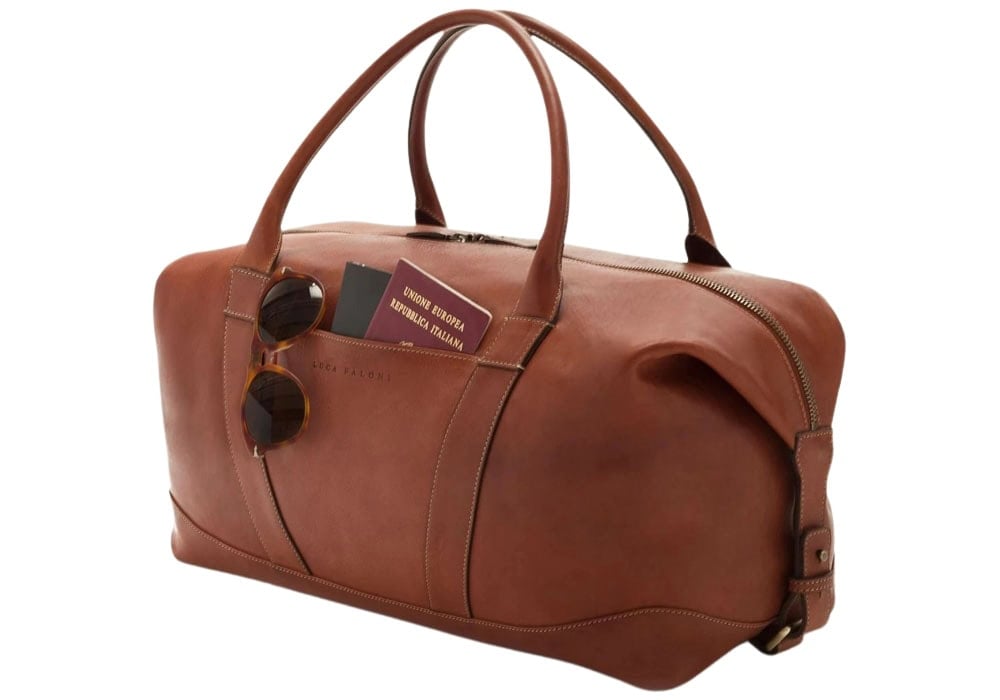
- Luca Faloni Weekender
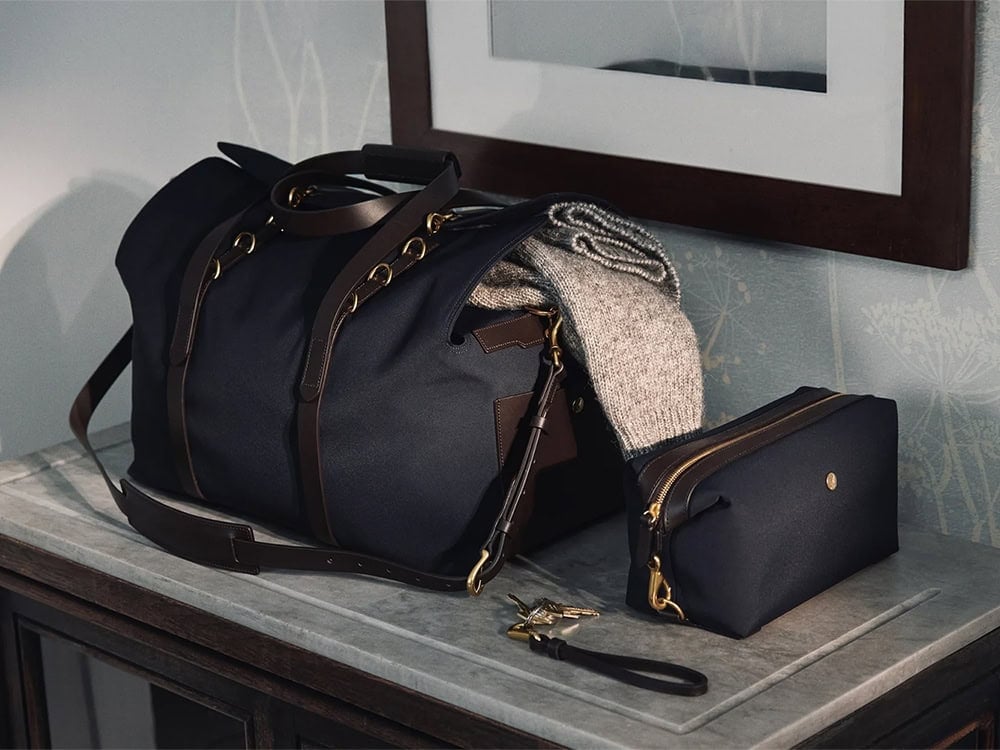
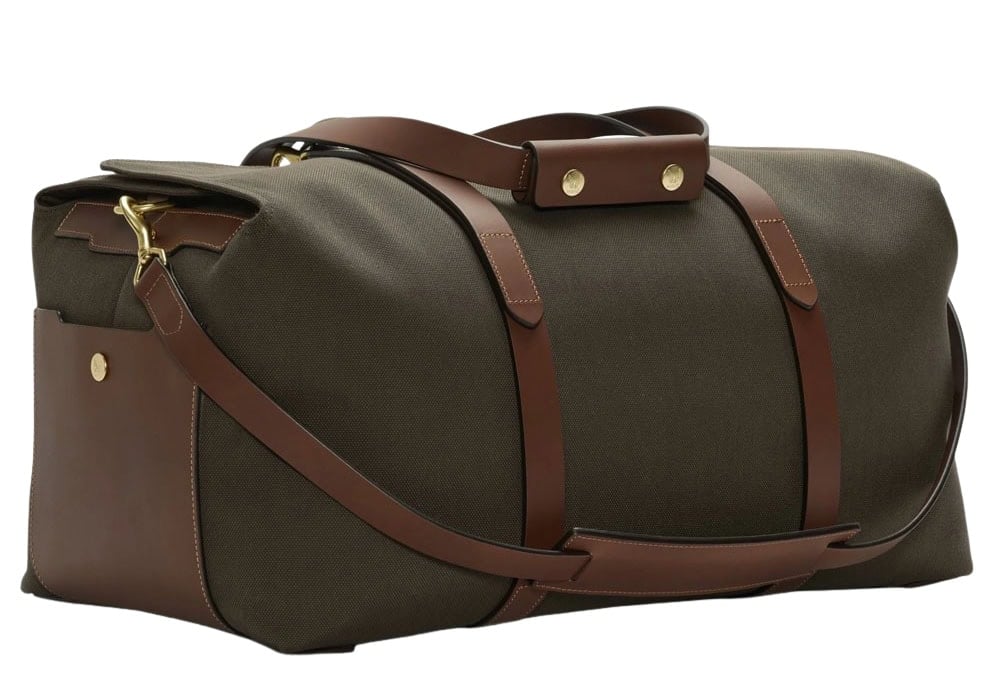
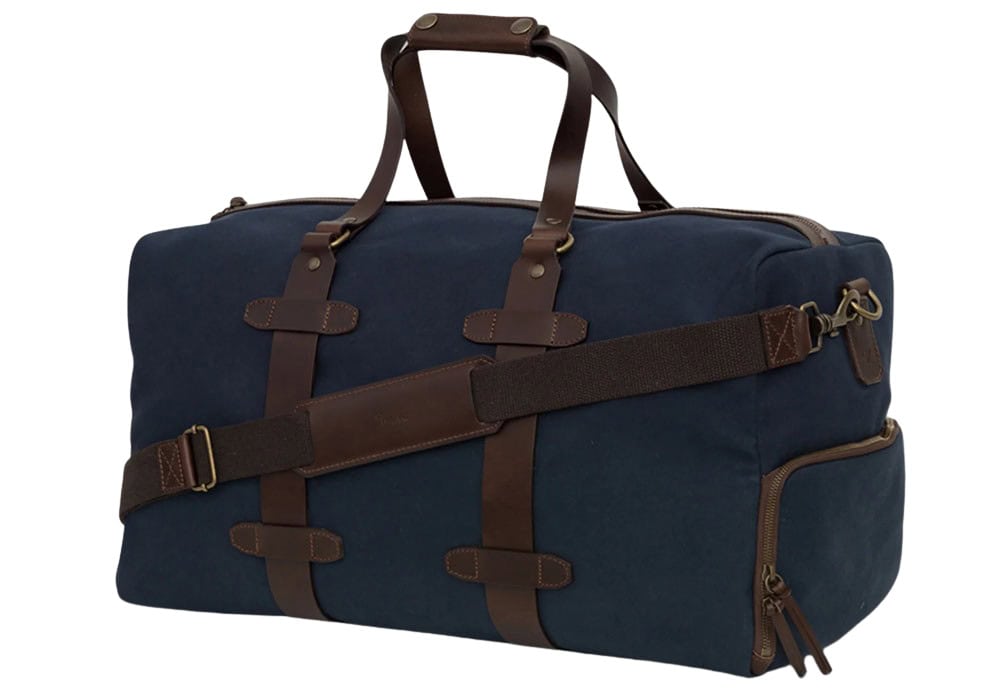
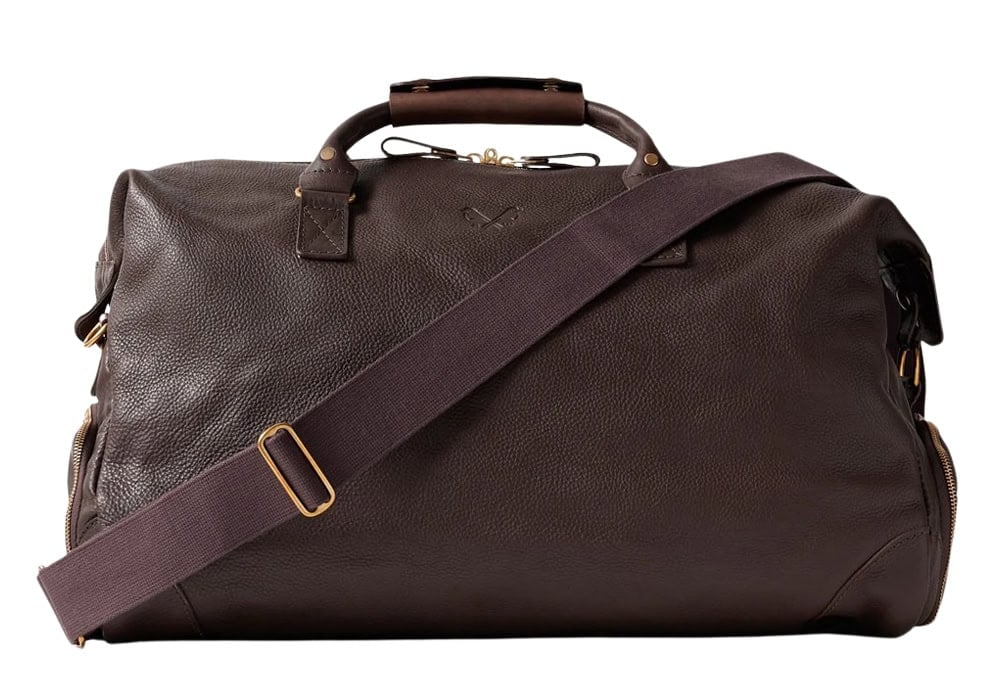
Pick the right one, and a good weekend bag will last you a lifetime of travel. But cheap out on a mass-produced version made from low-cost materials, and you’ll probably find yourself replacing it within the decade.
Look for thick leather or hard-wearing canvas, solid metal hardware and reinforced stress points. The kind of thing that can be thrown around, overfilled and used daily without falling apart.
Over time, it will pick up marks and creases, but that’s part of the process. It should look better five years in than it did on day one.
Luxury Minimalist Sneakers
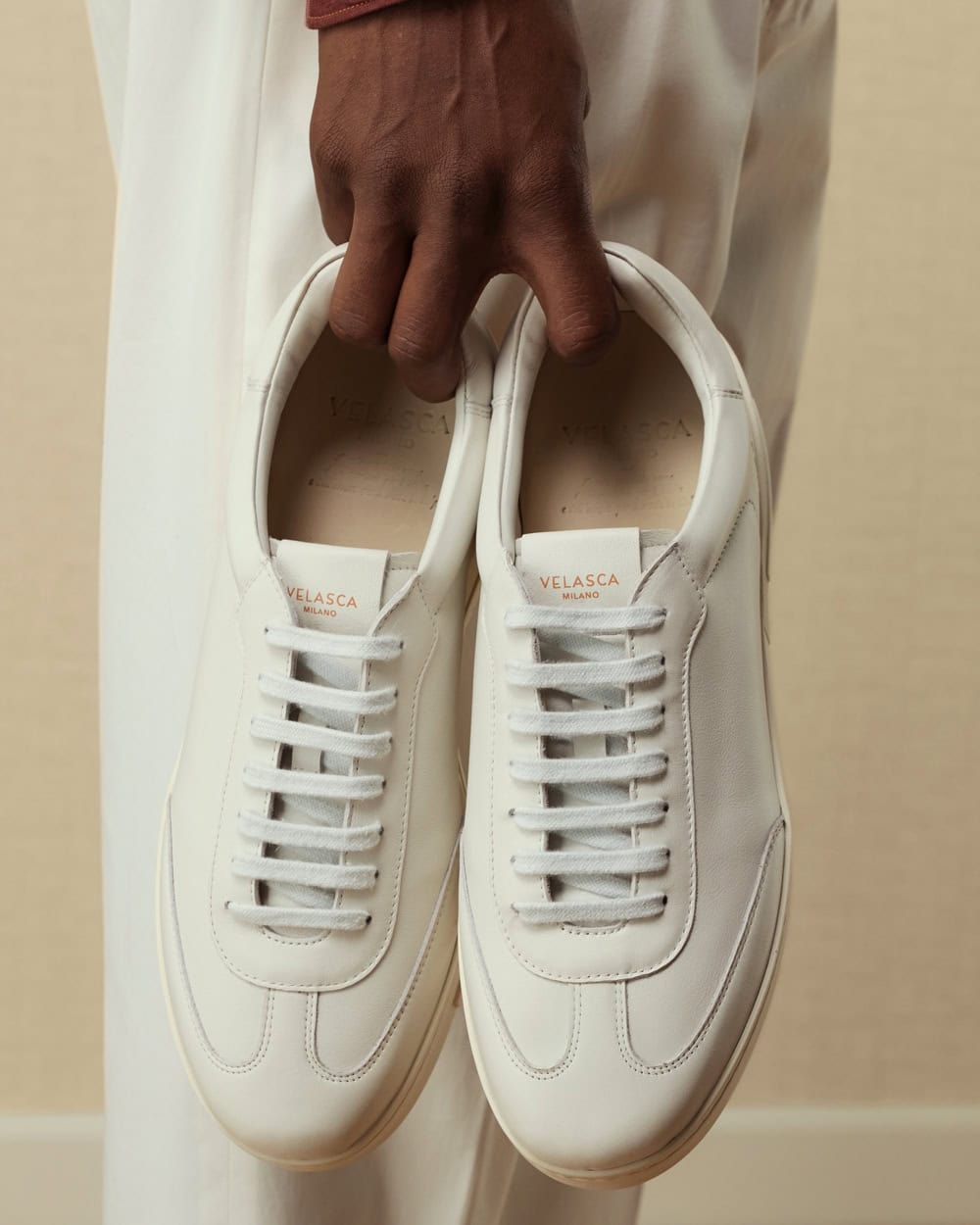
Velasca
-
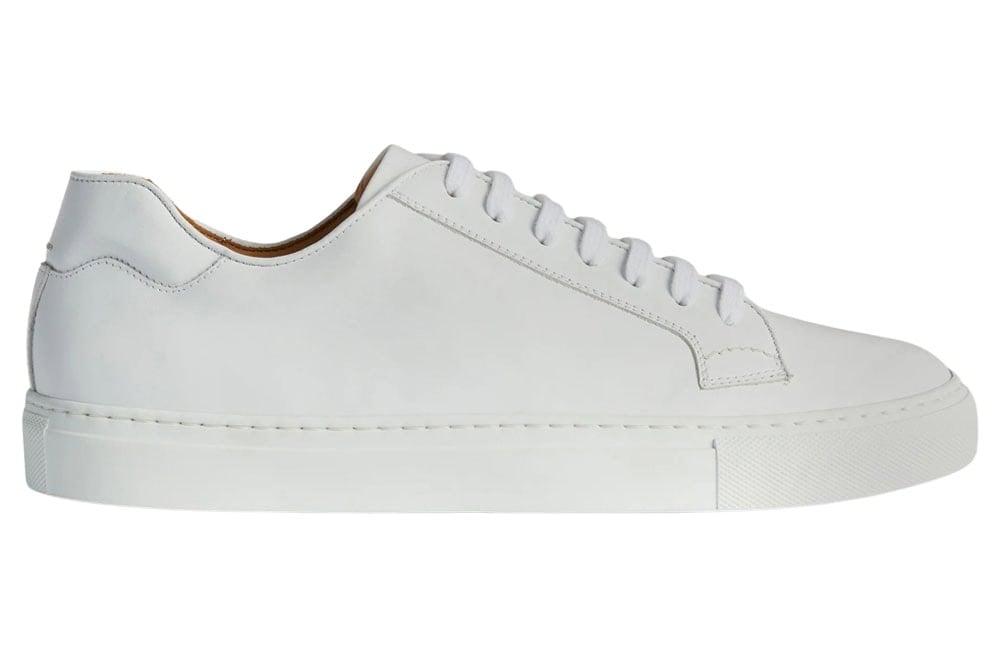
- Velasca Belèratt
-
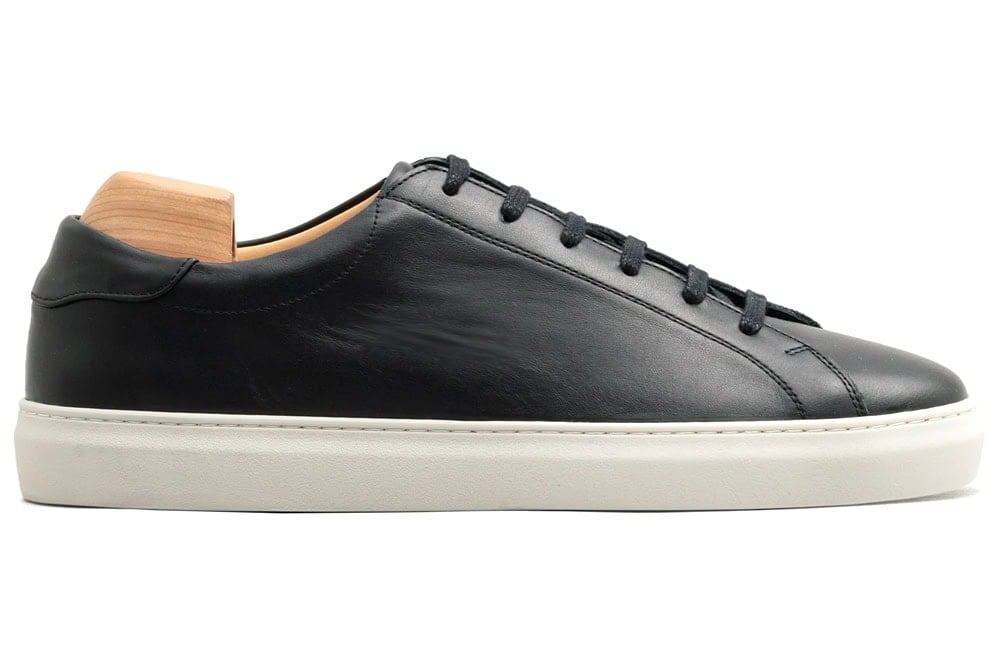
- Myrqvist Oaxen
-
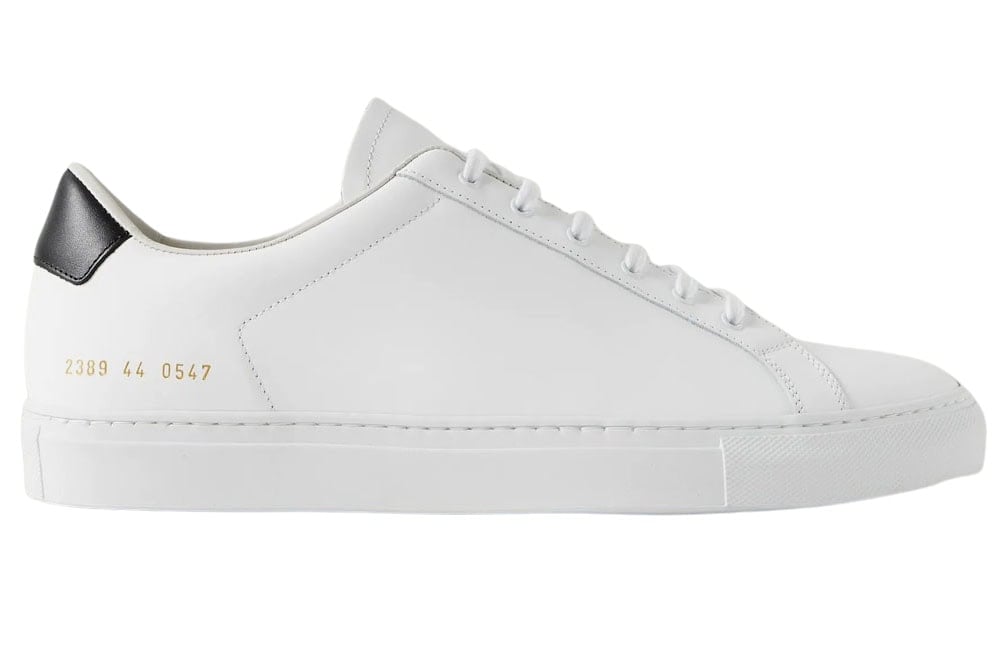
- Common Projects Retro Classic Leather Sneakers
-
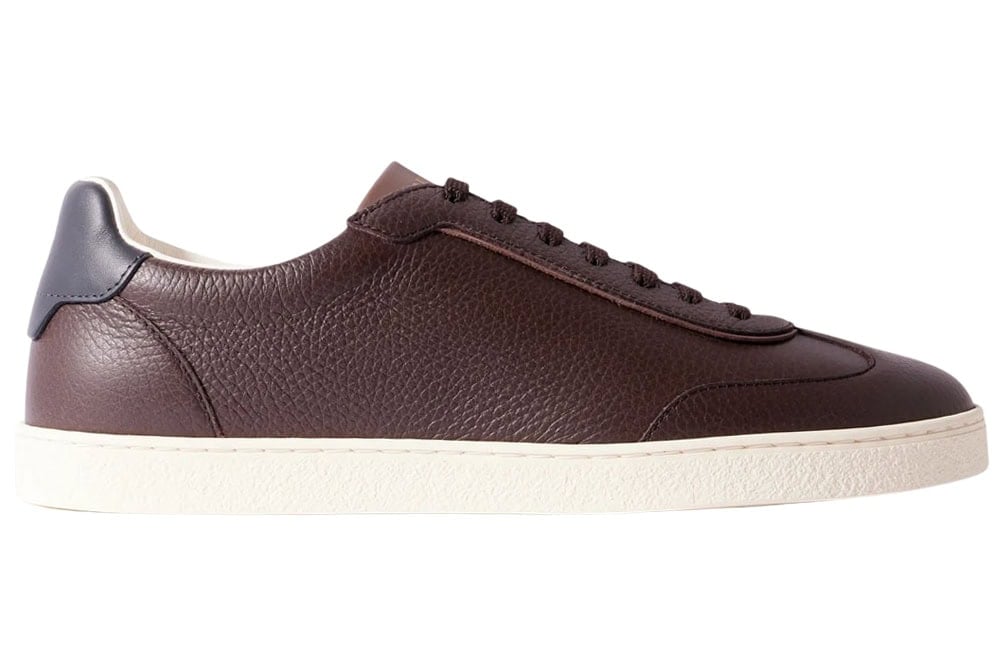
- Brunello Cucinelli Coda di Rondine Leather Sneakers
The German Army trainer is experiencing a surge in popularity at the moment, but the broader format has always been a solid one. We’re talking simple sneakers made from high-quality materials that can be worn with anything and everything.
Spend more money, and you can expect to get better leather, cleaner finishing and a shape that doesn’t feel bulky or over-designed.
If you wear sneakers most days, it makes sense to have one pair that can carry you through a range of outfits and blend into numerous settings with ease.
A Classic Automatic Watch
-
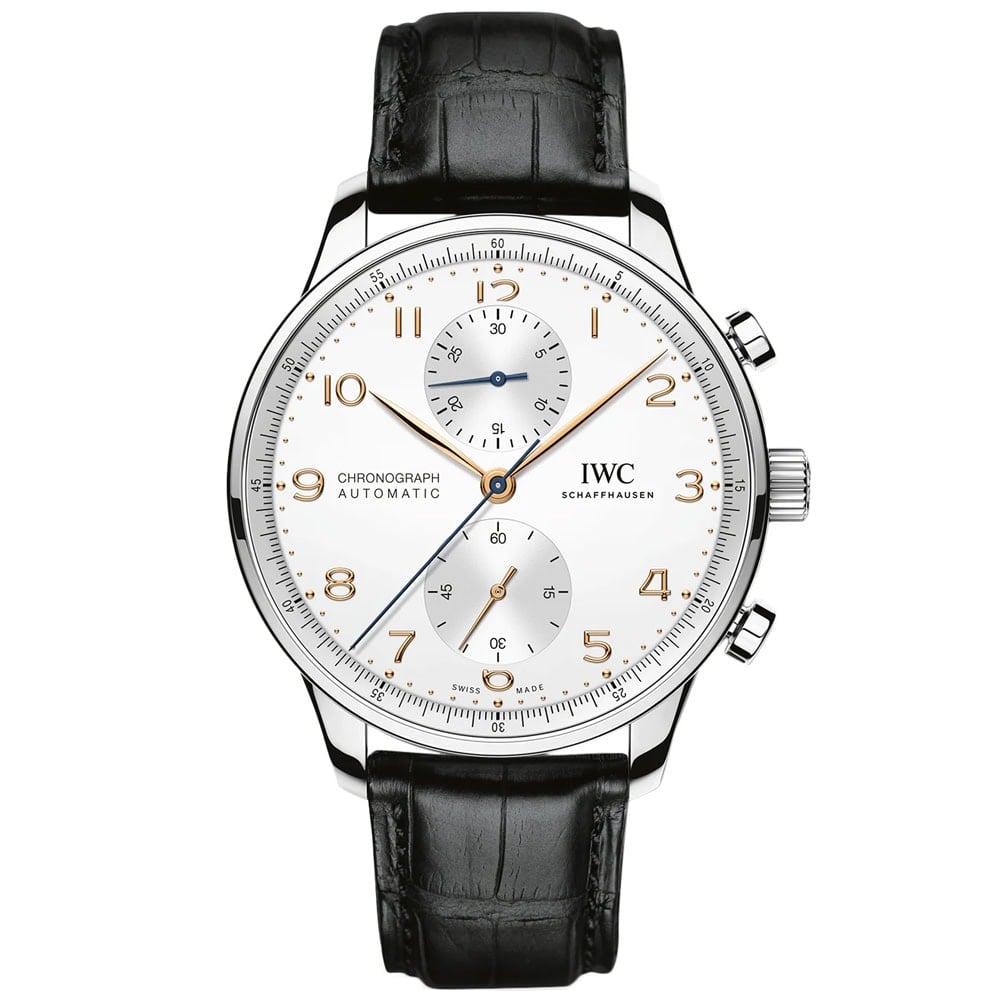
- IWC Portugieser Chronograph IW371604
-
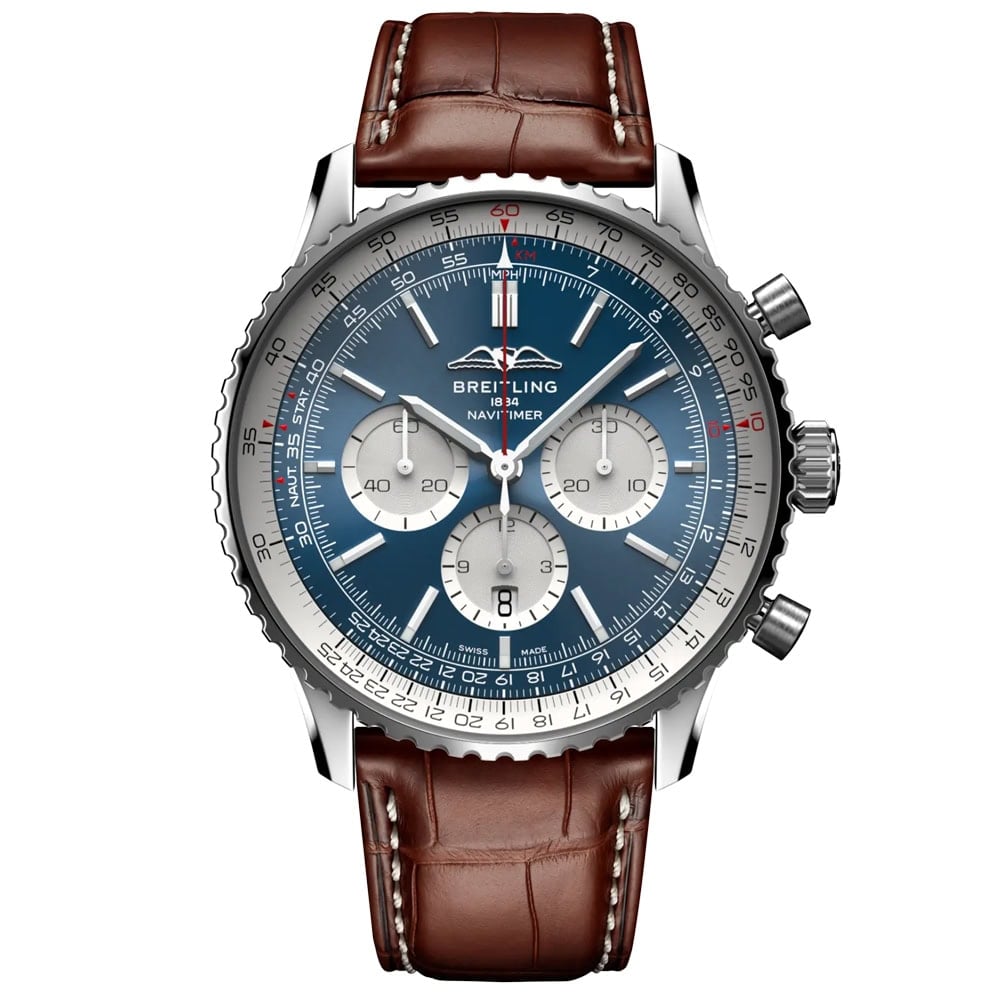
- Breitling Navitimer B01 Chronograph 46
-
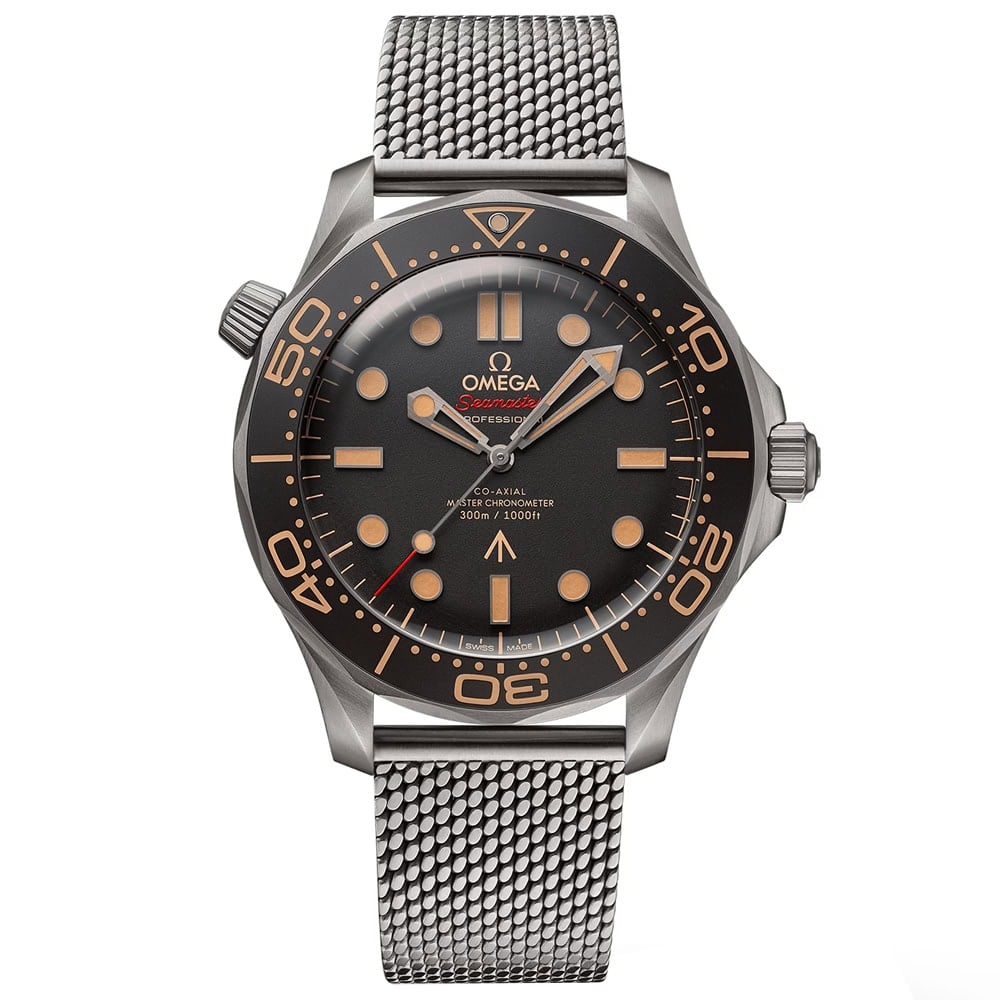
- Omega Seamaster Diver 300M James Bond 007 2020 Edition O21090422001001
-
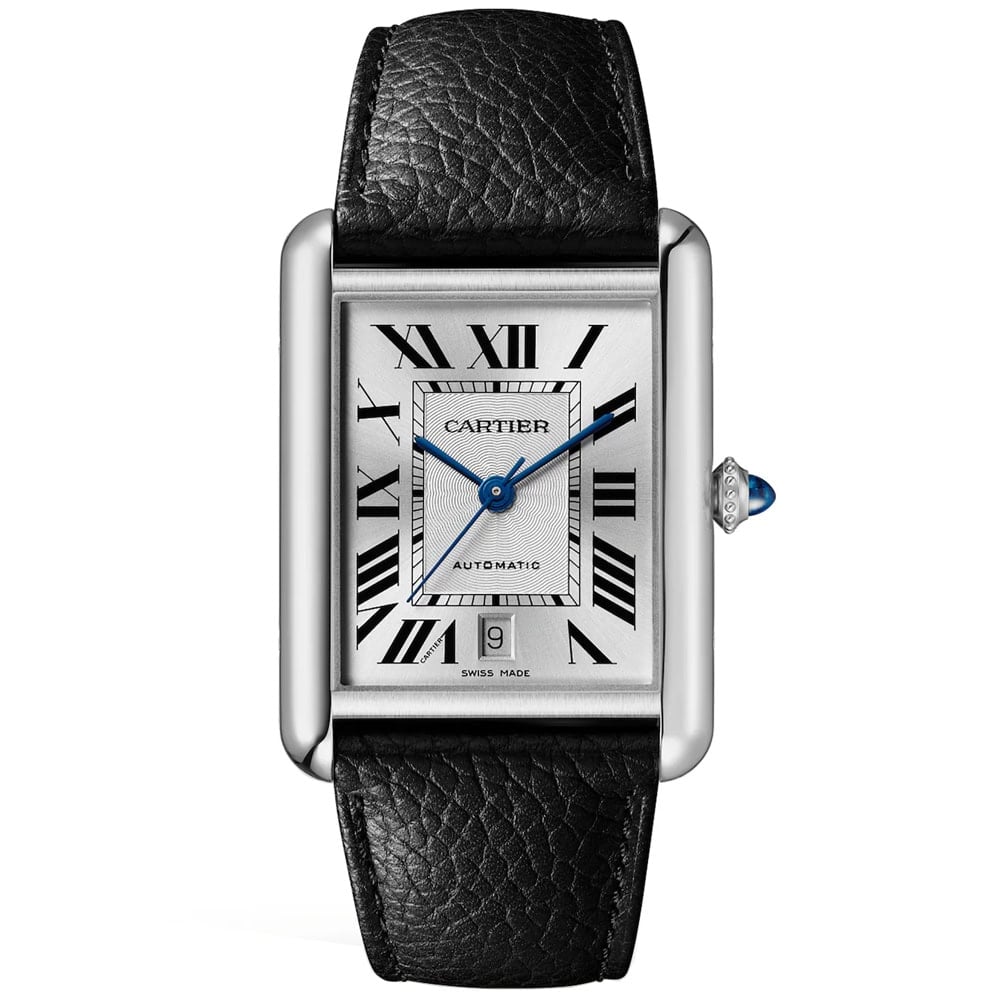
- Cartier Tank Must WSTA0141
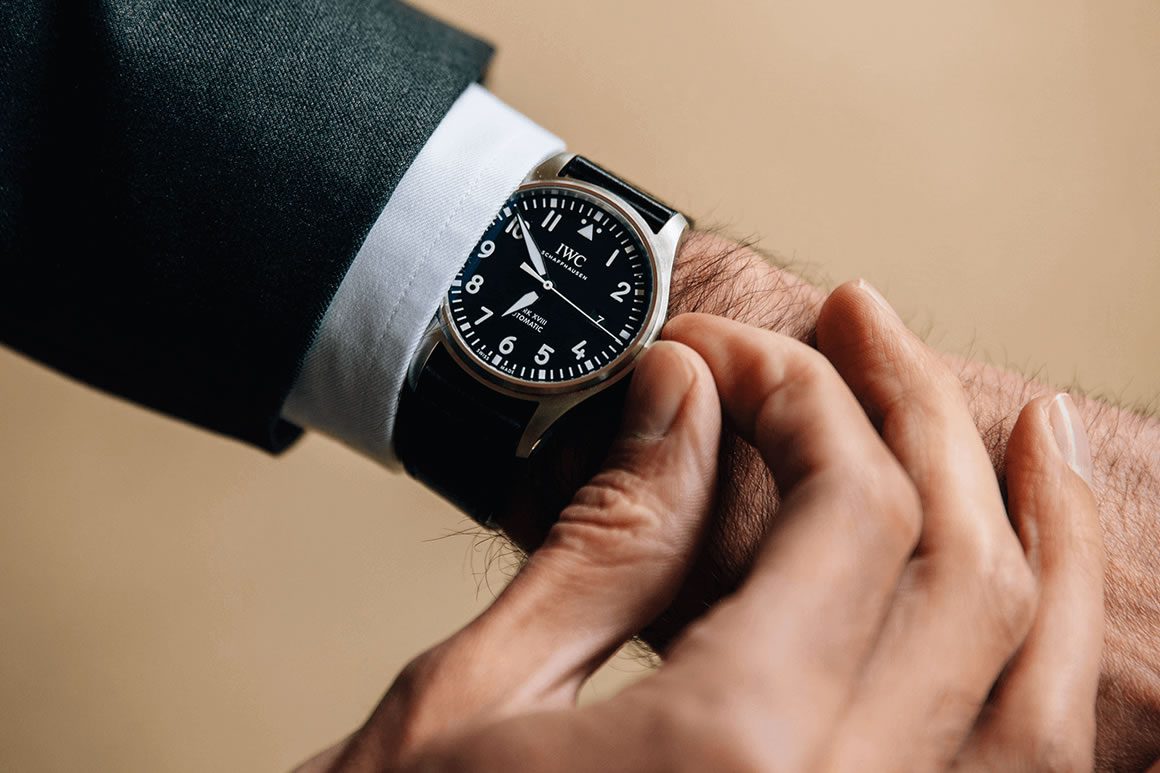
A watch is one of the few things you can buy with the intention of keeping it indefinitely. A good automatic timepiece doesn’t rely on batteries, can be serviced for decades, and sits outside of trend cycles in a way most clothing doesn’t.
The right one becomes something you put on every day without thinking; part of your daily routine. It will cost you, but as it’s something you’ll be able to pass down to your kids, it probably should be.
Made-To-Measure Tailoring
Huntsmans
-
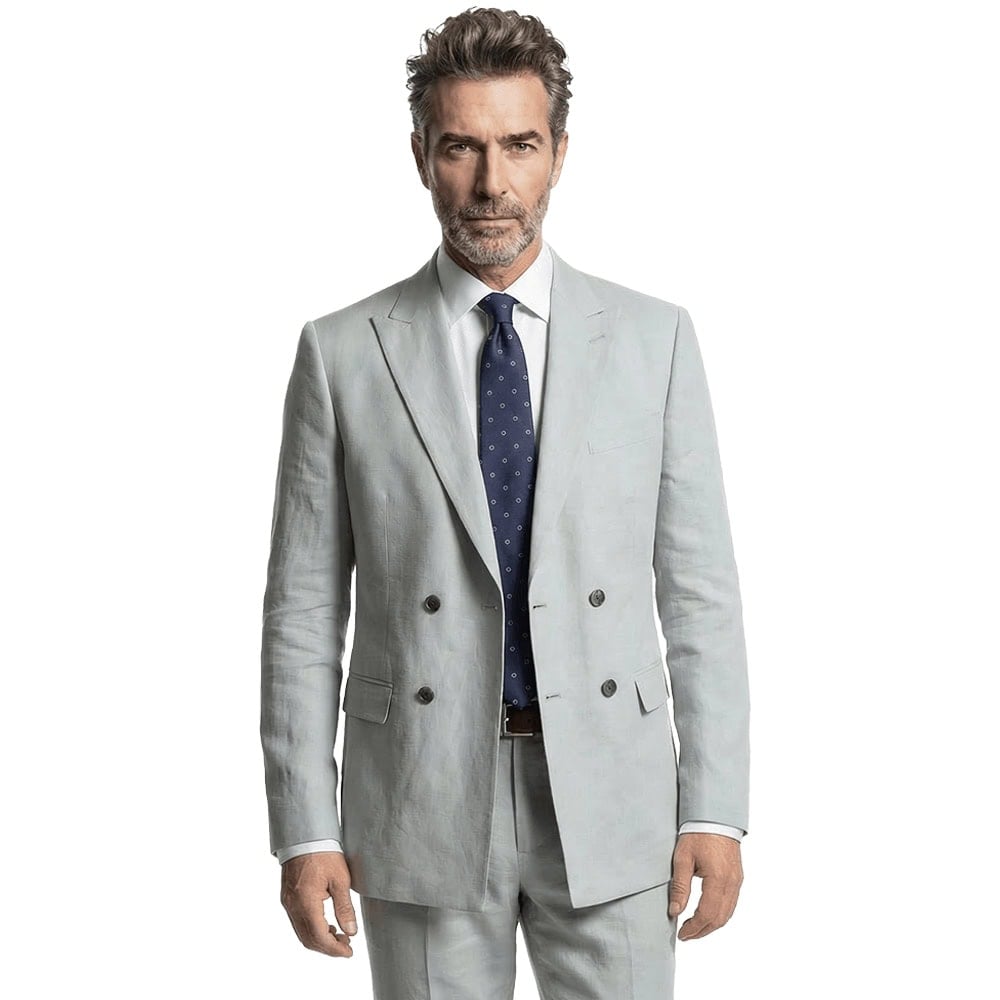
- Hockerty Dusty blue stretch double Breasted Suit
-
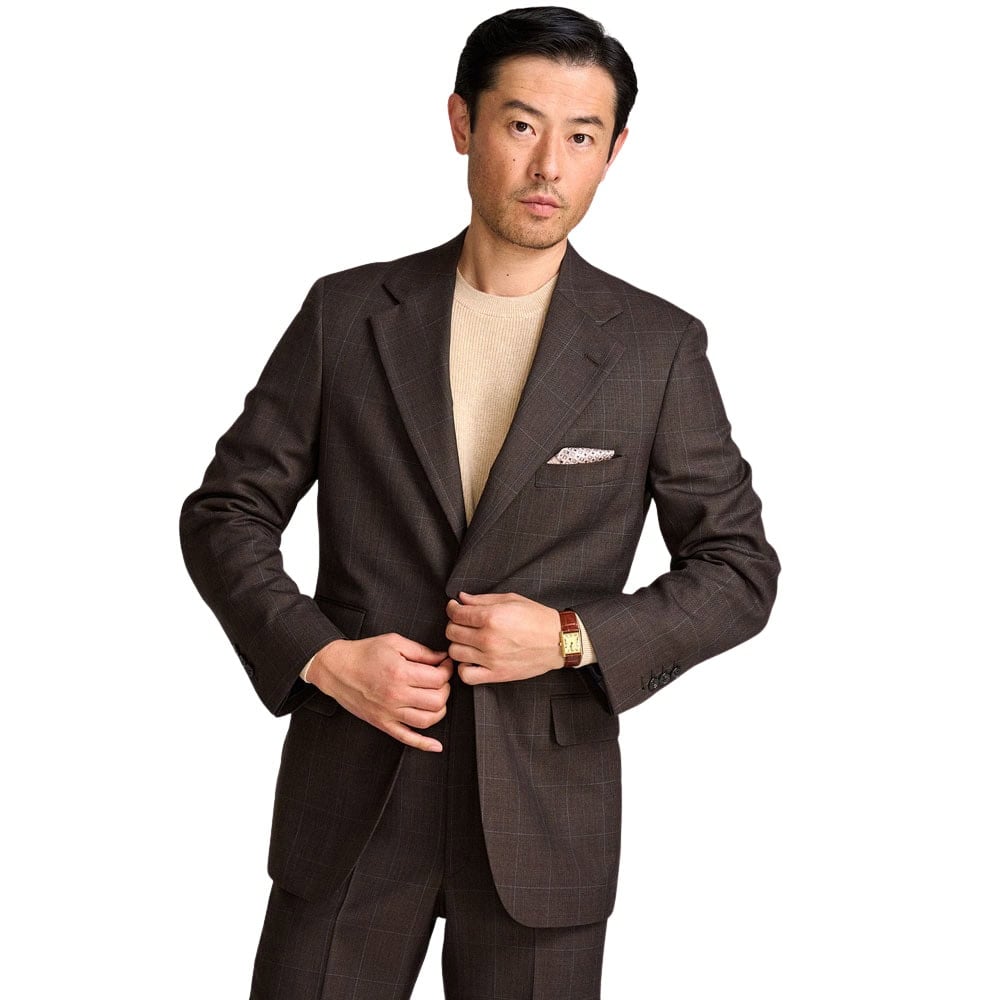
- Tom James 100% Merino Wool Brown Glen Plaid Suit
-
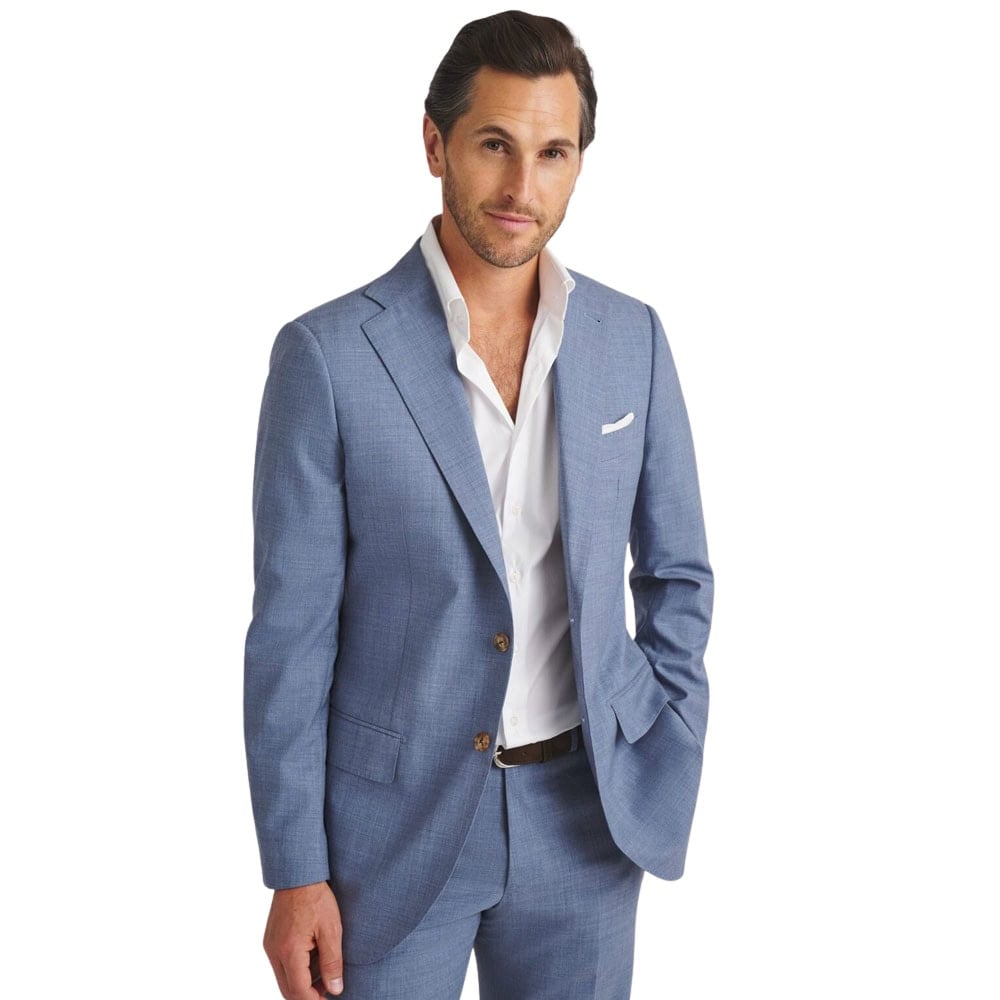
- Proper Cloth The S130s Tropical Wool Allen Suit
-
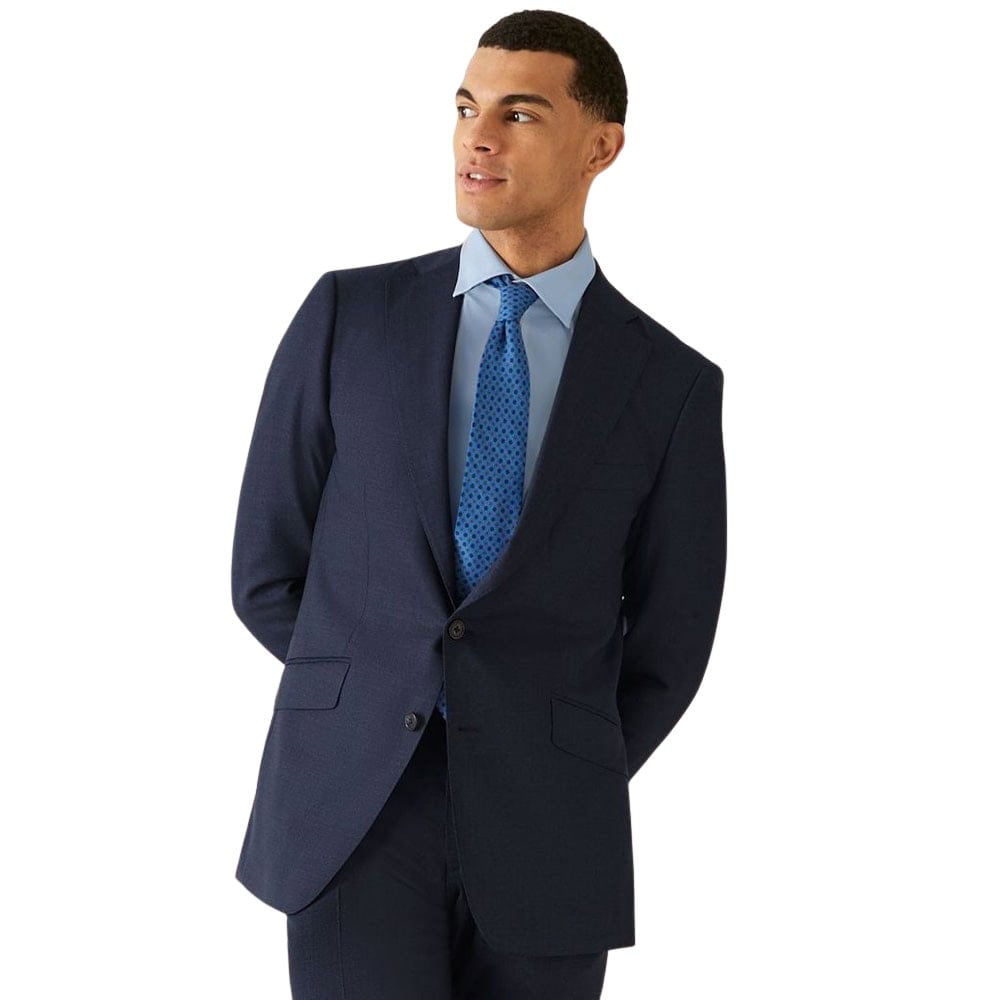
- Tailor Store Dark navy two-piece suit
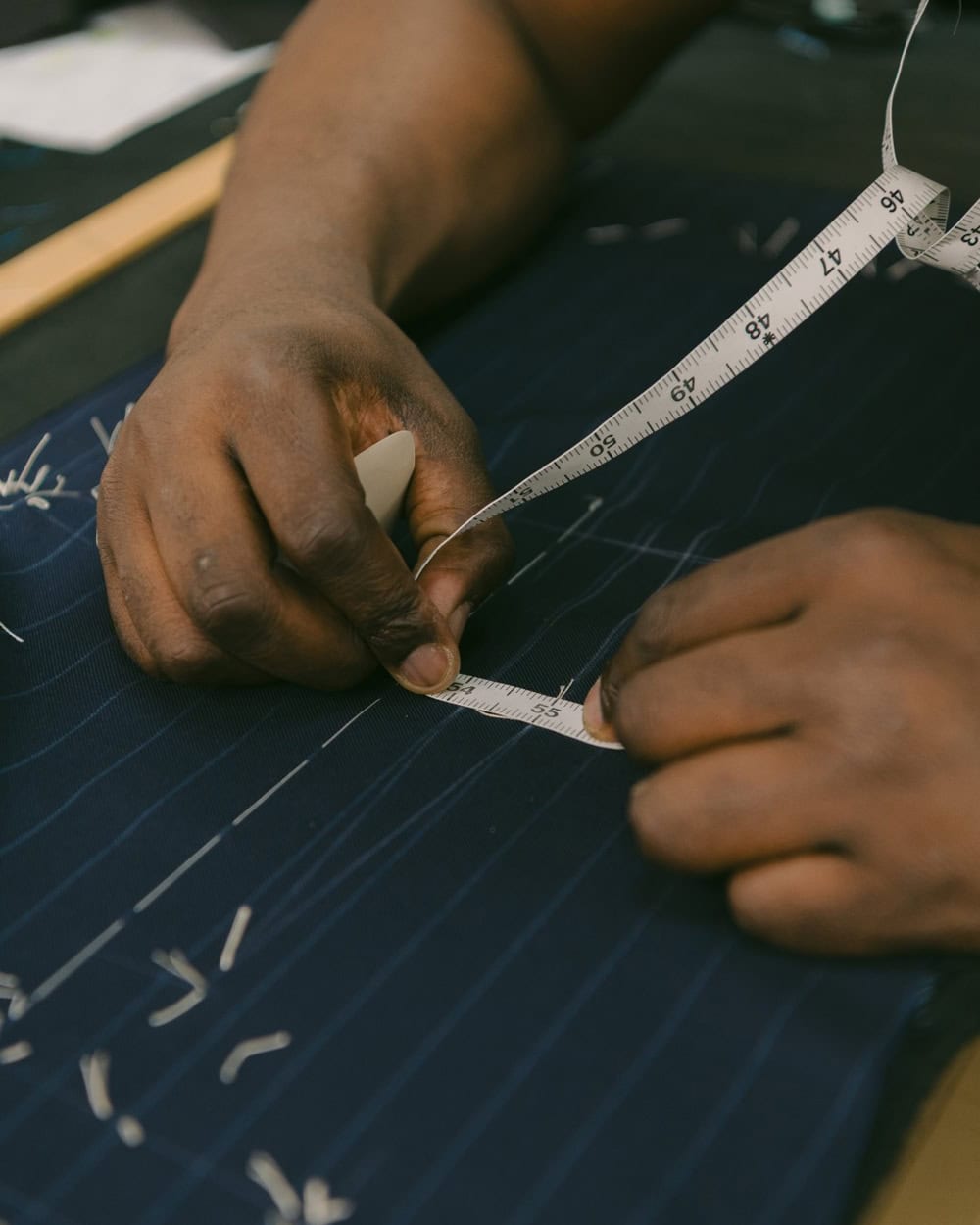
Off-the-peg has its place, but it’s built around averages. Made-to-measure tailoring gives you something closer to a personal fit without the full cost of bespoke. And, as we’ve said a thousand times, fit is everything in this game, so it’s worth paying a premium for.
You get control over the things that matter – proportions, fabric, small design details – and the end result is a garment that actually works with your body rather than against it.
It doesn’t have to be overly formal either. A well-cut jacket or pair of trousers can slot into everyday wear just as easily as occasion dressing.